
Yazılar

China Takes Steps to Protect Potatoes From Rising Temperatures and Climate Change Effects

Chinese scientists are urgently working to safeguard potatoes, a crucial food crop, from the growing impacts of climate change. Research conducted by the International Potato Center (CIP) in Beijing has revealed concerning reductions in potato yields when exposed to higher temperatures. Potatoes grown in simulated future climate conditions were found to weigh less than half of what typical varieties in China weigh, highlighting the pressing need for adaptation measures to preserve this essential crop.

The findings, published in the Climate Smart Agriculture journal, come from a three-year research project led by molecular biologist Li Jieping. The study focused on potatoes grown in Hebei and Inner Mongolia under temperatures 3°C above current averages. The results showed a dramatic yield reduction of over 50%, with the potatoes growing faster but at the expense of size and weight. Li Jieping emphasized that this trend raises serious concerns about future food security in China, which is currently the world’s largest potato producer.

Farmers in regions like Inner Mongolia are already feeling the effects of climate change. Erratic rainfall patterns have been delaying harvests, while the warmer temperatures have also contributed to an increase in crop diseases. Wang Shiyi, a manager at Hebei Jiuen Agricultural Development Company, highlighted that this year’s heavy rains have significantly slowed down harvesting, further complicating efforts to maintain stable potato production.

As China grapples with these challenges, the research underscores the need for urgent climate adaptation strategies to protect agricultural productivity. With potatoes being a staple crop both domestically and globally, the findings serve as a warning that more proactive steps will be necessary to mitigate the negative effects of climate change on food security.
Study Warns Lithium Mining Could Significantly Affect Water Quality and the Environment

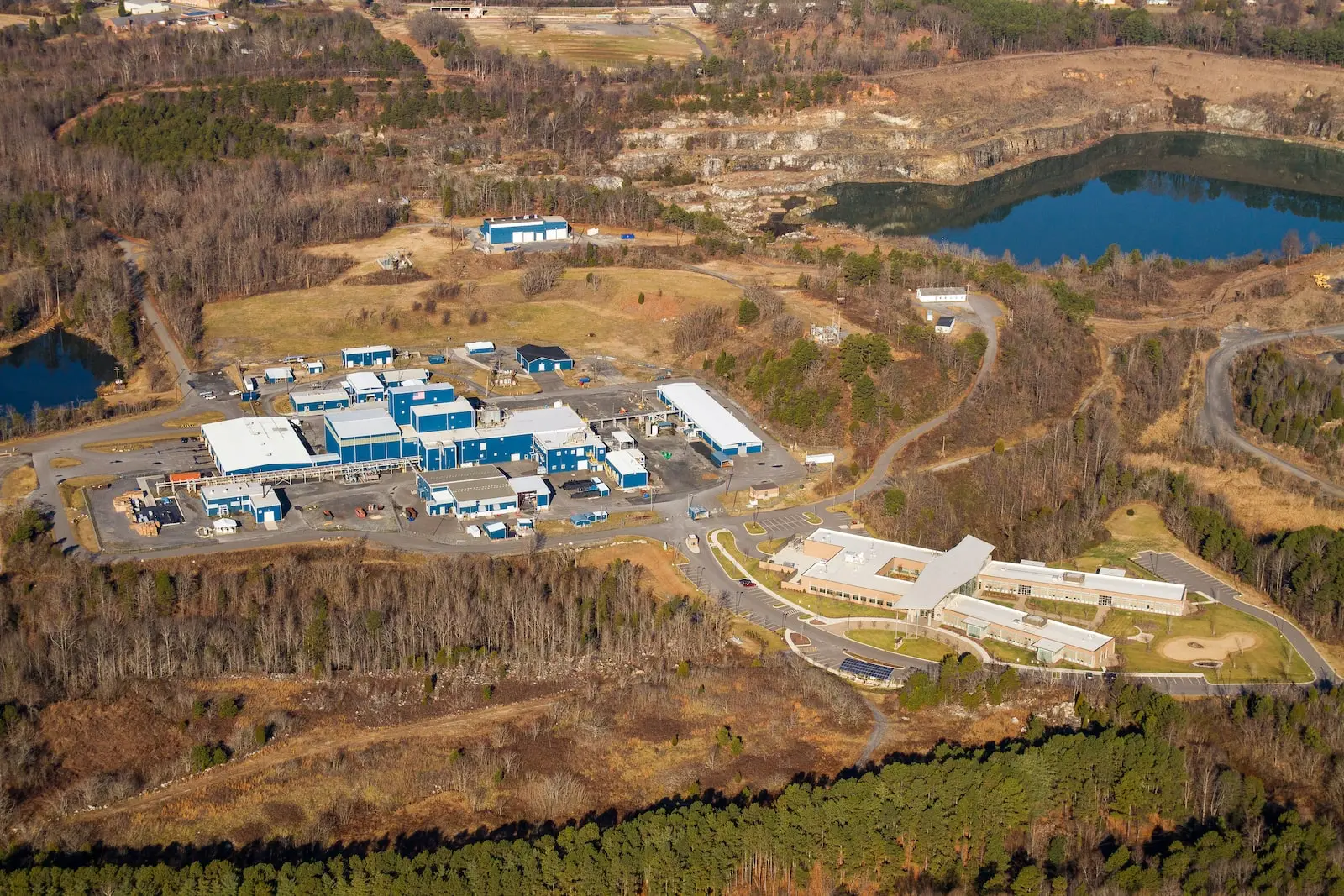
A recent study by researchers from Duke University’s Nicholas School of the Environment has raised concerns about the environmental impact of historic lithium mining, particularly in North Carolina near Kings Mountain. Led by Avner Vengosh, a Distinguished Professor of Environmental Quality, the research focuses on the water quality surrounding an abandoned lithium mine site. Published in the Science of the Total Environment, the study highlights the presence of elevated levels of lithium, rubidium, and cesium in both groundwater and surface waters near the site, suggesting that past mining activities could continue to affect local water resources.

The study found that while common contaminants such as arsenic, lead, copper, and nickel were detected in concentrations below the standards set by the US Environmental Protection Agency (EPA), the levels of lithium and other less frequently found metals like rubidium and cesium were notably higher. These elements, though not regulated by federal standards, were found at concentrations that are not typical for the natural water sources in the region, raising concerns about their long-term impact on the ecosystem and public health.

Lead author Gordon Williams, a PhD student at Duke University, stated that the findings raise critical questions regarding the potential health and environmental risks associated with these metals. Despite the unusual presence of these elements, laboratory tests simulating natural conditions indicated that the mine’s waste materials did not lead to harmful acidic runoff, a problem commonly seen in other mining operations like coal extraction. This aspect of the study offers some reassurance, but the discovery of unregulated metals remains an area of concern for local water quality.

The study serves as a reminder of the potential environmental consequences of abandoned mining sites, particularly as demand for lithium increases due to its use in batteries for electric vehicles and other technologies. While the immediate impact on water quality in the studied area may be manageable, the long-term effects of mining on local ecosystems and water resources require further investigation. Researchers hope these findings will encourage more careful consideration of the environmental costs of lithium extraction in the future.

ISRO Launches Satellites to Track Cyclone Fengal Heading Towards Tamil Nadu

The Indian Space Research Organisation (ISRO) has deployed its advanced satellite technology to closely monitor Cyclone Fengal, which is heading towards the Tamil Nadu coast. The satellite monitoring, which commenced on November 23, 2024, is essential for tracking the cyclone’s progress and gathering data on its intensity. Key instruments like the EOS-06 Scatterometer, part of the Oceansat-3 mission, along with the INSAT-3DR satellite, are being used to provide real-time insights into the cyclone’s trajectory and potential impact.

The capabilities of these satellites are proving invaluable in early detection and tracking. According to a post on X (formerly Twitter) by ISRO’s official handle, both the EOS-06 and INSAT-3DR satellites have been monitoring the deep depression over the Bay of Bengal since November 23. ISRO highlighted that the data collected aids in better tracking, early warning systems, and mitigation efforts, ensuring timely responses to the evolving cyclone threat.

One of the standout features of the monitoring system is the EOS-06 Scatterometer, which plays a pivotal role in detecting ocean wind patterns associated with Cyclone Fengal. The scatterometer provides critical data on wind speed and direction, enabling meteorologists to analyze the cyclone’s behavior with greater accuracy. This early wind detection allows for better predictions of the cyclone’s potential path and strength, offering authorities the time needed to prepare and issue warnings.

Experts emphasize the importance of early detection in improving disaster preparedness and response. By providing timely and accurate data, these satellites enhance the ability of local governments and disaster management agencies to implement safety measures and evacuations ahead of the cyclone’s landfall. This proactive approach helps to minimize the impact of severe weather events on vulnerable coastal communities in Tamil Nadu.