Yazılar

Baidu Secures License to Test Autonomous Vehicles in Hong Kong

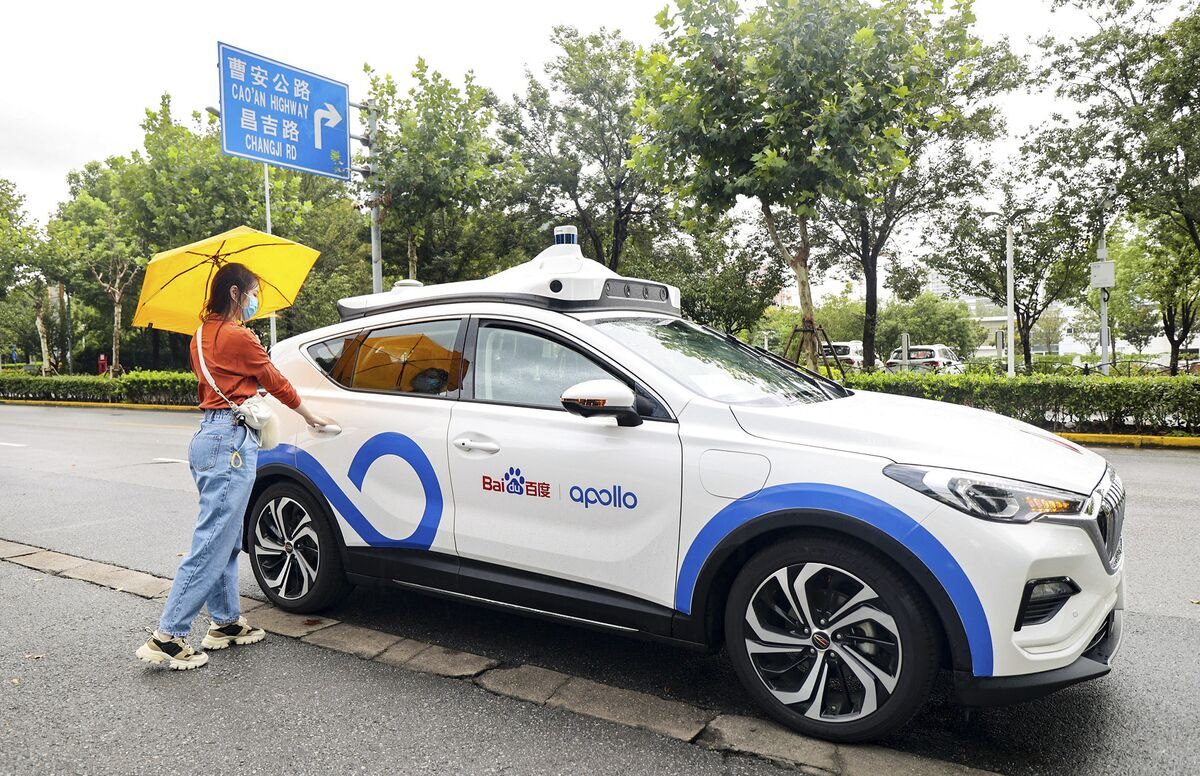
Baidu’s Apollo robotaxi service has received approval to test autonomous vehicles in Hong Kong, marking the company’s first license for self-driving car trials outside mainland China. Hong Kong’s Transport Department announced Friday that Baidu Apollo International Ltd is authorized to conduct tests with 10 autonomous vehicles in the North Lantau region.

The license, valid from December 9, 2024, to December 8, 2029, will initially permit only one autonomous vehicle on specified road sections at a time. A backup operator will be required to remain onboard to take control of the vehicle if needed during the trials.

This approval is the first issued under Hong Kong’s new regulatory framework for autonomous vehicles, introduced in March 2023. While the Hong Kong government has promoted autonomous vehicle technology since 2017, public road trials have been limited until now.

Baidu’s Apollo Go service operates across several mainland Chinese cities, including Wuhan, where it manages a fleet of over 400 autonomous vehicles, the largest in the region. With competition in the autonomous vehicle sector intensifying, Baidu aims to expand its robotaxi services internationally to locations such as Hong Kong, Singapore, and the Middle East, according to recent reports.

The Hong Kong trial represents a significant step in Baidu’s global ambitions for its autonomous vehicle program and underscores the city’s evolving stance on integrating cutting-edge technology into its transportation ecosystem.


Automakers Push Trump Administration to Retain EV Tax Credits and Promote Self-Driving Cars

Key Appeals from Automakers

Preserve EV Tax Credits

  • The Alliance for Automotive Innovation, representing major automakers like General Motors, Toyota, and Volkswagen, has urged President-elect Donald Trump to retain the $7,500 consumer tax credit for electric vehicle (EV) purchases.
  • Eliminating the credit, a move reportedly under consideration by Trump’s transition team, could further stall the already sluggish EV adoption in the U.S.

Encourage Self-Driving Cars

  • Automakers emphasized the need for federal initiatives to accelerate the deployment of autonomous vehicles, pointing out that China is already creating a supportive regulatory framework for self-driving technology.

Reconsider Stringent Safety and Emission Rules

  • The group expressed concerns over existing and proposed regulations:
    • Vehicle Emissions: They called for “reasonable and achievable” standards, arguing that current regulations—especially in California and aligned states—raise consumer costs and fail to align with market realities.
    • Automatic Emergency Braking Systems: Automakers requested a review of rules requiring advanced braking systems in nearly all new vehicles by 2029, deeming them technologically unfeasible under current conditions.

Regulatory Backdrop and Political Shifts

Trump Administration’s Proposed Rollbacks

  • The Trump transition team is reportedly planning to:
    • Eliminate the EV tax credit.
    • Target Biden-era regulations aimed at improving fuel efficiency and mandating at least 35% EV production by 2032.

Contrasts with Biden’s Policies

  • The Biden administration’s measures incentivize EV production and aim for a gradual shift away from fossil-fuel-powered vehicles.
  • Automakers fear losing ground against China, where EVs benefit from heavy subsidies and favorable policies.

Industry Concerns and Market Impacts

Global Competition

  • Automakers cited unfair competition from Chinese EVs and technologies benefiting from substantial subsidies.
  • The industry is seeking U.S. regulatory adjustments to remain competitive internationally.

Consumer Costs

  • The automakers argued that inconsistent emissions regulations across states increase costs for buyers.

Technology Feasibility

  • Automakers flagged potential challenges in meeting both safety and emissions standards without significant technological advancements or support.

Implications

For EV Transition

  • Removing the EV tax credit could dampen consumer interest and investment in EV infrastructure.
  • The U.S. risks lagging behind other nations, particularly China, in EV and autonomous technology adoption.

For Federal Policy

  • The automakers’ letter highlights tensions between federal and state regulations, particularly California’s more stringent policies.
  • Balancing consumer affordability, industry competitiveness, and environmental goals remains a significant challenge for the incoming administration.

Tesla’s Sporty, Two-Seater Robotaxi Design Puzzles Experts

Tesla’s latest announcement of a two-seater robotaxi, dubbed the Cybercab, has left investors and experts perplexed. Unveiled by CEO Elon Musk at a much-hyped event near Los Angeles, the Cybercab is set to go into production in 2026 and cost less than $30,000. However, the vehicle’s low-slung, sporty coupe design—far from the traditional roomy taxi—has sparked confusion over its practicality for broader market needs.

The key concern raised by experts and investors alike revolves around the vehicle’s seating capacity and suitability as a taxi. Most people expect taxis to accommodate multiple passengers and have room for luggage, making the two-seater design puzzling. As Jonathan Elfalan, vehicle testing director at Edmunds.com, pointed out, “When you think of a cab, you think of something that’s going to carry more than two people.”

Tesla’s stock tumbled 9% on Wall Street the day after the reveal, as investors questioned the logic behind the design and Musk’s lack of detailed financial plans for the Cybercab. Analysts are particularly concerned about whether Tesla is targeting the right market. According to Sandeep Rao, a senior researcher at Leverage Shares, the market for two-door vehicles in the U.S. is tiny, comprising only 2% of car sales (excluding SUVs and pickups), which limits the appeal of the Cybercab.

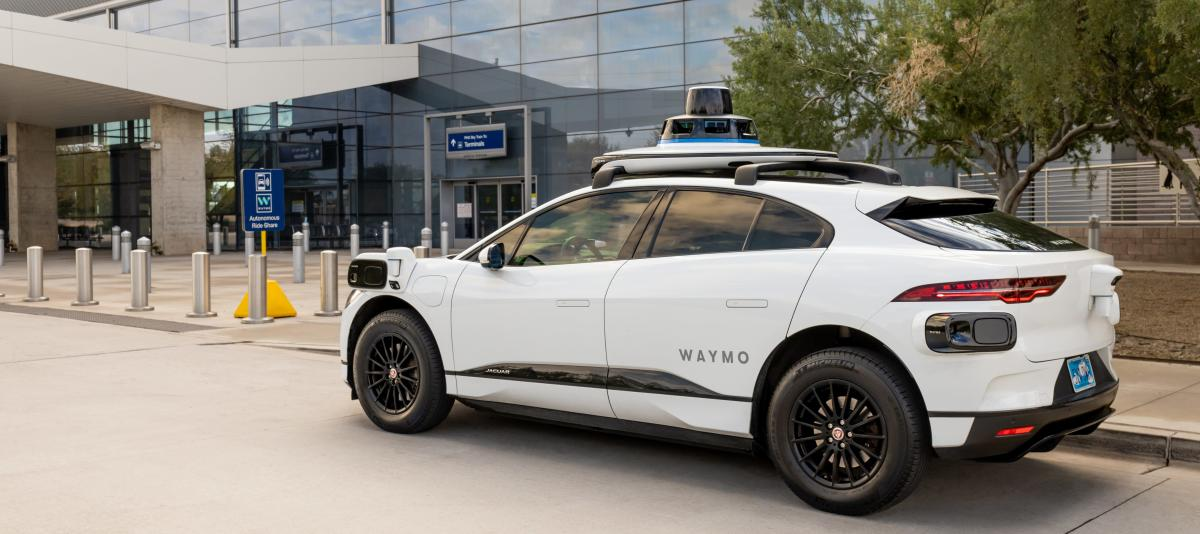
Tesla also faces stiff competition in the robotaxi space. Companies like Waymo, owned by Alphabet, and Zoox, backed by Amazon, have already launched robotaxis with more practical designs. For instance, Waymo’s fleet of Jaguar Land Rover vehicles seats up to four passengers, a far cry from Tesla’s two-seater. Former Waymo CEO John Krafcik remarked that Tesla’s design seemed “more playful than serious,” emphasizing that its configuration could create challenges for older passengers and people with disabilities.

During the presentation, Musk promised that the Cybercab would have an operating cost of just 20 cents per mile, claiming this could make it cheaper to operate than public transport. However, he failed to clarify how Tesla plans to mass-produce these vehicles, obtain regulatory approvals, or compete with existing players like Waymo that are already operating robotaxis in certain U.S. cities.

Musk also teased the idea of a futuristic robovan capable of seating up to 20 people, but he did not provide a timeline for its production. While some believe that Tesla’s Cybercab may be a way to quickly introduce an autonomous vehicle to the market, the consensus among experts is that larger, more practical robotaxis will be necessary for Tesla to succeed in this space.

Analyst Sam Fiorani from AutoForecast Solutions noted that two-seaters have long been proposed as commuter vehicles but have never gained widespread traction. Similarly, Blake Anderson, a senior investment analyst at Carson Group, remarked that the two-seater design doesn’t align with Tesla’s goal of creating a mass-market, low-cost vehicle to expand its appeal.

Despite the mixed reactions, Musk remains optimistic about the potential of the robotaxi business, which he believes could eventually push Tesla’s valuation to $5 trillion, up from its current $700 billion. However, the Cybercab’s niche design, and the challenges it faces in a still-developing, tightly regulated market, suggest that Tesla will need to refine its approach to stay competitive.