Yazılar

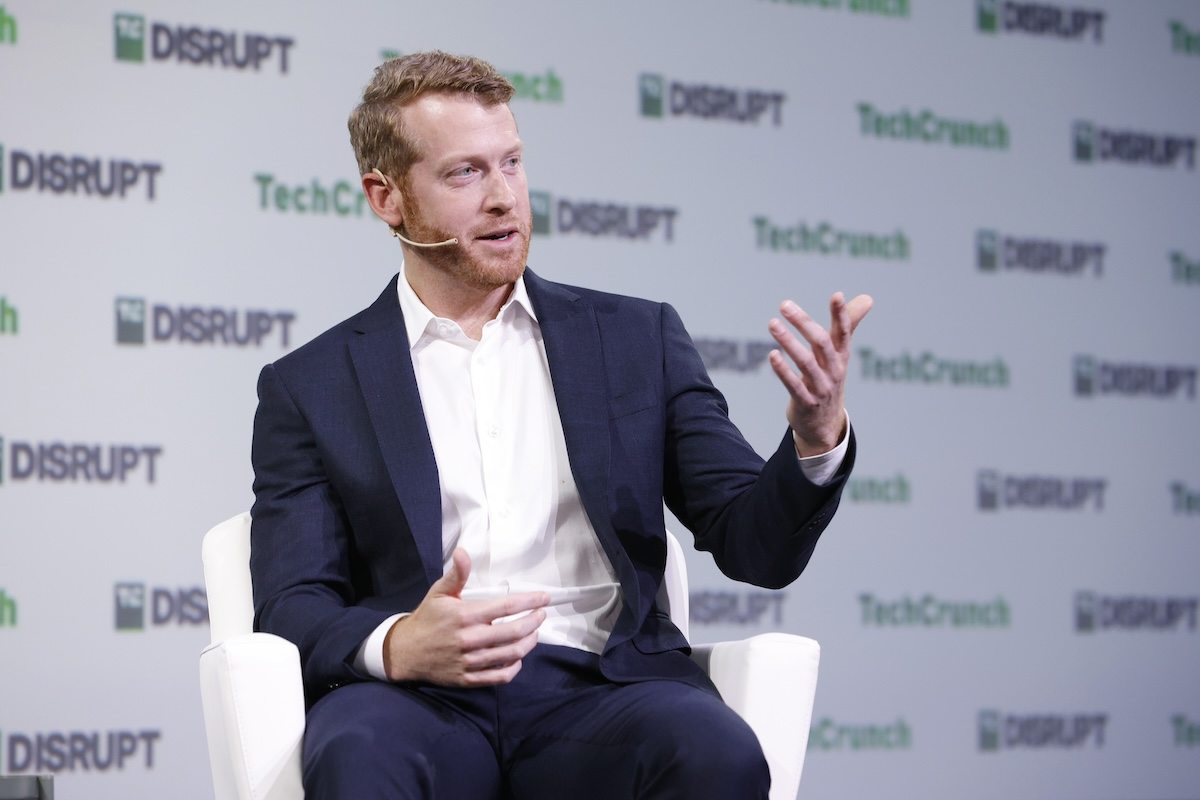
Former Cruise CEO Kyle Vogt’s Robotics Startup, The Bot Company, Valued at $2 Billion in New Funding

Kyle Vogt, the former CEO of self-driving car company Cruise, has secured $150 million in a new funding round led by Greenoaks for his robotics startup, The Bot Company. This investment boosts the company’s valuation to $2 billion, a significant jump from its previous valuation of $550 million following an earlier $150 million funding round. Despite the company not yet releasing a product or generating revenue, the funding reflects strong investor confidence in its potential.

The Bot Company, which was co-founded by Vogt, Paril Jain, and Luke Holoubek—former engineers at Tesla and GM-owned Cruise—aims to build AI-powered robots for everyday household tasks. These robots are designed to be non-humanoid and feature a base and grips for performing chores. The company is still in the development phase, working on integrating hardware and artificial intelligence-based software that will enable the robots to adapt and learn new tasks.

The company’s rapid rise in valuation comes amid a boom in robotics, driven by advances in large language models (LLMs). These AI models enable robots to understand natural language commands and perform more complex tasks, fueling significant interest in robots that could assist in homes or on factory floors. The Bot Company’s focus on creating at-home robots positions it within the growing trend of robotics startups, which are attracting substantial funding for innovative, AI-powered solutions.

The boom in robotics is also reflected by other industry players. Companies like Tesla, startups such as Figure, and Cobot, a robotics firm focused on industrial automation, are drawing attention with large funding rounds. Major players like Amazon have also invested heavily in home robotics, with the launch and eventual discontinuation of its Astro robot.

Vogt and his co-founders are part of a wave of talent transitioning from the self-driving car industry to robotics, aiming to create more adaptable and intelligent robots that can perform a range of tasks in daily life. The investment in The Bot Company, alongside the increasing venture capital influx into robotics, indicates growing confidence in AI-driven, action-based robotics solutions.

GM Exits Loss-Making Cruise Robotaxi Business Amid Restructuring Efforts

General Motors (GM) has announced its decision to exit the development of robotaxi services at Cruise, its majority-owned autonomous driving unit, marking a significant pivot in the automaker’s strategic priorities. The Detroit-based company revealed on Tuesday that it will no longer fund Cruise’s robotaxi operations, citing the substantial time and financial investment required to scale the business in an increasingly competitive market.

Since 2016, GM has invested over $10 billion into Cruise, but the unit has yet to achieve profitability. Moving forward, Cruise will be integrated into GM’s driver-assistance technology group, signaling a shift away from fully autonomous vehicles. The decision follows GM’s broader strategy to focus on its more profitable lines of business, including gasoline-powered trucks and large vehicles, while scaling back on electric vehicle (EV) initiatives and restructuring its operations in China.

In 2023, GM CEO Mary Barra expressed optimism that Cruise could generate $50 billion in annual revenue by 2030. However, she described the unit as “expendable” on Tuesday, explaining that the high operational costs of running a robotaxi fleet did not align with GM’s core business. Barra emphasized the need for fiscal prudence, noting that the restructuring will cut annual spending on Cruise from $2 billion to $1 billion by June 2024.

While Barra did not specify how many Cruise employees might transition to other roles within GM, the decision reflects broader challenges in the autonomous vehicle (AV) industry.


COSTLY ROAD AHEAD FOR AUTONOMOUS VEHICLES

GM is not the first automaker to retreat from ambitious autonomous driving projects. In October 2022, Ford wound down its Argo AI unit, citing similar financial and technical hurdles. Although competitors like Tesla and Alphabet’s Waymo remain invested in AV technology, the market has proven to be both costly and complex.

Tesla CEO Elon Musk continues to champion the potential of robotaxis and expects regulatory support under President-elect Donald Trump’s administration to facilitate broader deployment. Meanwhile, Waymo is expanding its ride-hailing services in cities such as Los Angeles and Miami, bolstered by a $5.6 billion funding round led by Alphabet.


LEGAL AND OPERATIONAL HURDLES

Cruise’s recent legal challenges have further compounded GM’s decision to abandon its robotaxi ambitions. In October 2023, a Cruise vehicle in San Francisco struck and seriously injured a pedestrian. The company admitted to submitting a false report to federal regulators and agreed to pay a $500,000 fine as part of a deferred prosecution agreement. GM also faced significant financial penalties, including a settlement with the injured pedestrian, while U.S. safety regulators continued to scrutinize the company.

In July, GM shelved plans for a steering wheel- and pedal-free robotaxi, following layoffs of over 25% of Cruise employees and the dismissal of several top executives. GM also withdrew a petition to the National Highway Traffic Safety Administration (NHTSA) that sought approval to deploy up to 2,500 autonomous Origin vehicles annually without human controls.


SHIFTING FOCUS

As GM retreats from autonomous robotaxis, its focus appears to be realigning with its core business of producing conventional vehicles and advancing driver-assistance technologies. While the company once viewed Cruise as a cornerstone of its future mobility strategy, it now sees scaling such operations as a long-term endeavor that no longer aligns with its immediate priorities.

Despite the setbacks, GM shares rose 3.2% in extended trading on Tuesday, reflecting investor confidence in the automaker’s renewed focus on profitability.

Waymo to Expand Robotaxi Operations to Miami by 2026

Waymo, the Alphabet-owned autonomous vehicle company, is preparing to launch its robotaxi service in Miami. The company announced on Thursday that it will begin testing its self-driving vehicles in the city with human safety drivers in 2025, with plans to open its fully autonomous ride-hailing service to the public by 2026 via the Waymo One app.

This move highlights Waymo’s growing confidence in operating its autonomous vehicles in challenging weather conditions, a significant milestone for scaling its operations in major metropolitan areas across the U.S.


Building Expertise in Adverse Weather

Waymo’s decision to target Miami follows earlier testing in the city in 2019, during which the company focused on refining its vehicles’ ability to handle wet and rainy conditions.

“We deepened our learning and understanding of the Waymo Driver’s performance in adverse weather conditions,” a spokesperson for the company said.

When Waymo resumes operations in Miami in 2025, it will deploy its all-electric Jaguar I-PACE fleet. The initial service territory will encompass select parts of Miami’s larger metropolitan area, home to over 6 million people.


Recent Expansion and Strategic Partnerships

Waymo’s Miami plans come amid rapid nationwide growth. In November, the company removed its waitlist of 300,000 people in Los Angeles, making its robotaxi service available to all across nearly 80 square miles. It also operates citywide in Phoenix and San Francisco, offering more than 150,000 paid rides weekly through the Waymo One app.

In September, Waymo partnered with Uber in Austin and Atlanta to integrate its robotaxis into the Uber app starting in 2025. Uber will oversee fleet management and vehicle maintenance under the partnership.

Waymo also announced a new collaboration with mobility company Moove, which will handle fleet operations, charging, and facilities for Waymo vehicles in Miami and Phoenix. Moove will begin managing Waymo’s Phoenix fleet in early 2025.


Funding and Competition

Waymo secured $5.6 billion in funding in October, led by parent company Alphabet and backed by investors like Andreessen Horowitz, Fidelity, and Silver Lake. These funds are driving the company’s expansion across the U.S.

While Waymo leads in commercial robotaxi operations across multiple cities, competition is intensifying.

  • Cruise (owned by GM) is working to resume services after halting operations following a pedestrian-injury accident in San Francisco.
  • Tesla plans to launch a self-driving ride-hailing service by 2025 but still classifies its current Full Self-Driving system as partially automated.
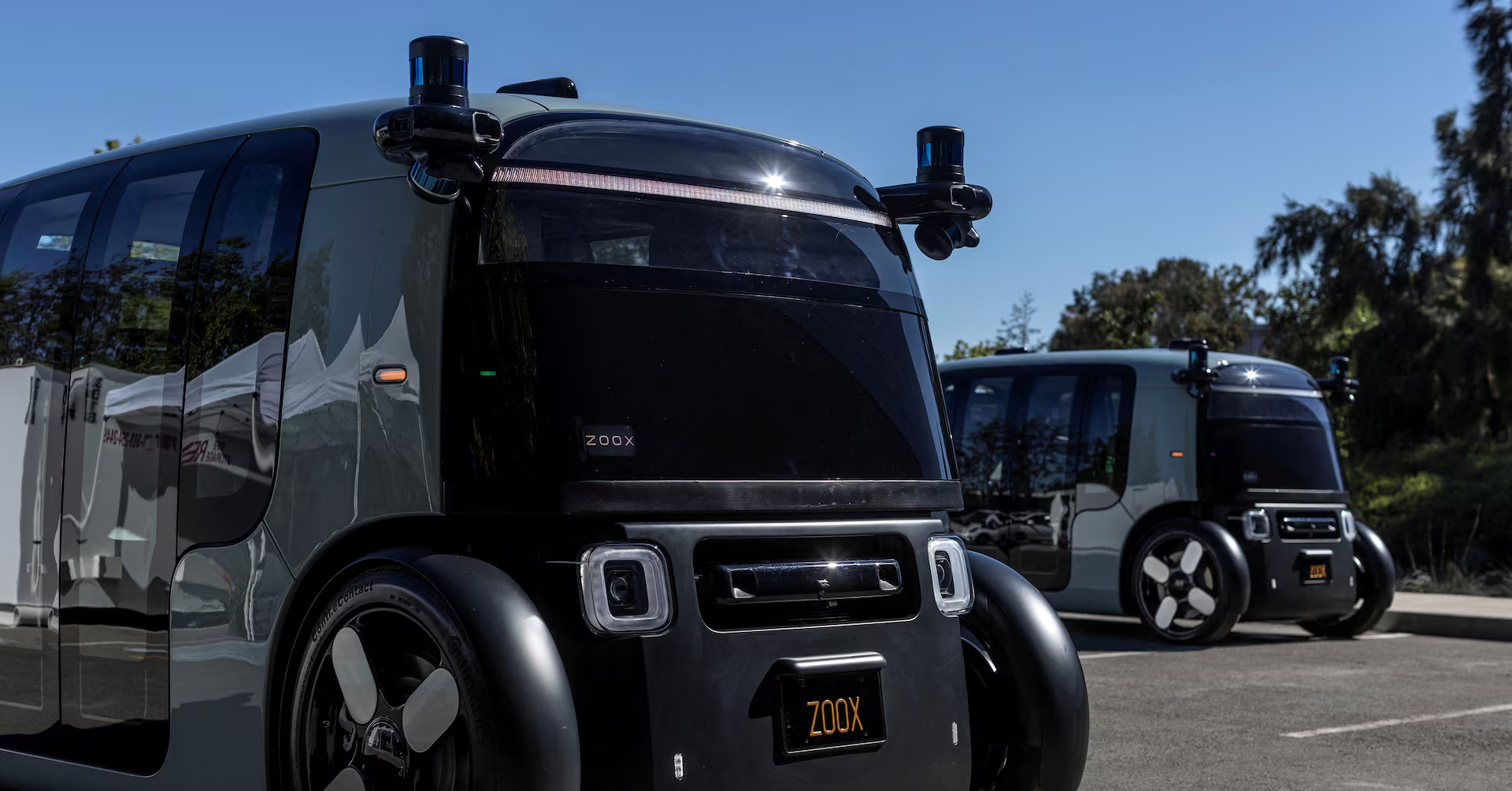
  • Amazon-owned Zoox and SoftBank-backed Wayve are testing autonomous vehicles, with Zoox focusing on cars without steering wheels.

What’s Next for Waymo

With Miami as its next target, Waymo continues to solidify its position as a leader in autonomous transportation. The company’s expansion underscores its ambition to operate in diverse environments, making robotaxis a reliable and accessible mode of transportation for millions across the U.S.