Yazılar

Qualcomm’s Strong Forecast Overshadowed by Expected Samsung Loss

Qualcomm projected stronger-than-expected quarterly sales and profit on Wednesday, buoyed by a rebound in premium smartphone demand, but its stock slipped in after-hours trading amid concerns over a potential loss of business from Samsung next year.

For the quarter ending in December, the chip designer forecast revenue and adjusted earnings at midpoints of $12.2 billion and $3.40 per share, beating analyst expectations of $11.62 billion and $3.31, according to LSEG data.

However, CEO Cristiano Amon said the company expects to supply about 75% of the modem chips for Samsung’s upcoming Galaxy S26 lineup — down from 100% for the current Galaxy S25 models. The announcement sent Qualcomm shares down 2.7% in extended trading after a 4% rise earlier in the day.

Despite the setback, Amon emphasized that Qualcomm is diversifying beyond smartphones into automotive, laptop, and data center chips, as longtime client Apple moves toward producing its own modems.

He also revealed that Qualcomm is in discussions with a “large hyperscaler” — an AI-focused computing company — following its recent deal with Humain, an AI firm backed by Saudi Arabia’s sovereign wealth fund.

The company’s fiscal fourth-quarter results also outperformed expectations, with $11.27 billion in sales and $3 per share in adjusted profit, compared to estimates of $10.79 billion and $2.88.

Amon said the forecast reflects a surge in demand for high-end smartphones capable of running AI applications, especially in markets like China and India, where consumers are “upgrading from mid-range to premium.”

STMicro Forecasts Weak Q4 Sales as Automotive Demand Falters

European chipmaker STMicroelectronics projected fourth-quarter revenue below market expectations, citing soft demand from the automotive sector that offset gains in other markets. The company expects revenue of $3.28 billion for the quarter, compared to analyst forecasts of $3.34 billion, according to LSEG data. Shares fell nearly 8%, making STMicro the worst performer on France’s CAC 40 and Italy’s FTSE MIB indexes.

The Franco-Italian firm, which counts Tesla and Apple among its top customers, said weaker sales to a major electric vehicle client — widely believed to be Tesla — weighed on results. CFO Lorenzo Grandi confirmed that lower demand for silicon carbide chips, used in EVs, led to reduced capital spending plans for 2025. STMicro now plans to invest slightly under $2 billion, down from its previous $2–2.3 billion range.

Analysts from JPMorgan described the current semiconductor recovery as “very muted,” despite signs of improvement in imaging sensor and microcontroller sales. STMicro also reiterated that its cost-cutting program remains on track following resistance in Italy.

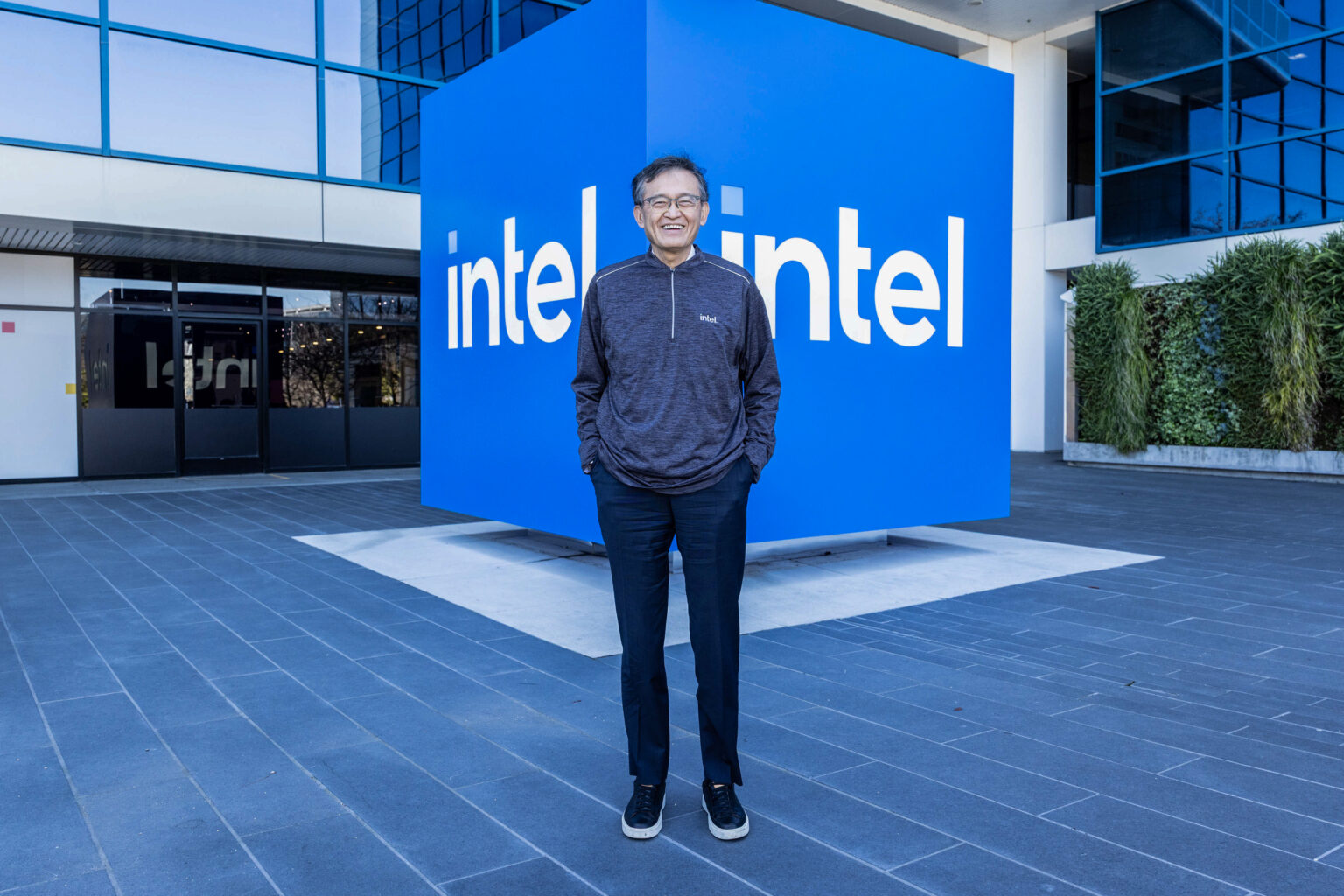
Intel’s Results to Reveal If Multibillion-Dollar Rescue Plan Is Working

All eyes are on Intel’s third-quarter earnings report this Thursday, as investors look for signs that a wave of multibillion-dollar investments from Nvidia, SoftBank, and the U.S. government is stabilizing the struggling chipmaker under its new CEO Lip-Bu Tan.

The fresh funding has lifted Intel’s shares nearly 100% this year, outperforming even AI titan Nvidia, though expectations are high. Analysts expect a 1% drop in quarterly revenue to $13.14 billion, according to LSEG data, and a per-share loss of $0.22. Shares fell 4.5% on Wednesday, ahead of the results.

Investors are eager for clarity on whether the cash infusions are enough to revive Intel’s finances after years of costly manufacturing missteps under former CEO Pat Gelsinger. “The big question is: what does Intel’s big picture look like now, and what does their cash position look like?” said Joe Tigay, portfolio manager at Rational Equity Armor Fund.

The deals have handed Intel a crucial cash lifeline:
Nvidia invested $5 billion, acquiring about a 4% stake.
SoftBank added another $2 billion.
– The U.S. government took a 10% stake worth $8.9 billion, after tensions over Tan’s China ties sparked political backlash.

While these moves strengthen liquidity, they also dilute Intel’s earnings per share, analysts warn. “Share dilution is the least of Intel shareholders’ worries,” said Ryuta Makino of Gabelli Funds, noting that investors are focused on the company’s long-term strategy.

Despite new funding, Intel continues to lose ground to AMD and Arm-based rivals in CPUs, while remaining a minor player in the AI chip market dominated by Nvidia. However, the company is seeing renewed strength in PCs, with shipments rising 8% globally, and its PC division revenue expected to jump 11% to $8.12 billion.

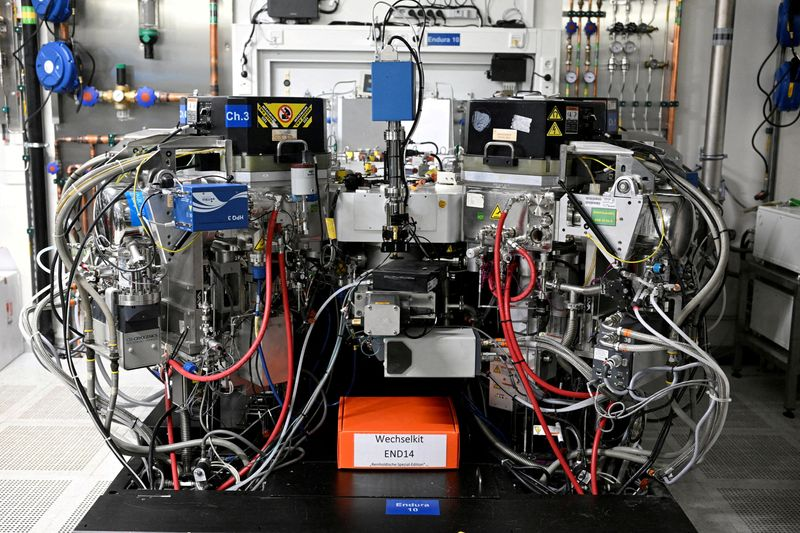
Intel’s Panther Lake processor, built on its new 18A manufacturing node, is expected to begin shipping by late 2025 — a key test for Tan’s revised strategy, which scaled back Gelsinger’s aggressive factory expansion.

Revenue in Intel’s data center unit is projected to grow 18% to $3.95 billion, fueled by booming demand for server CPUs that pair with AI GPUs. The manufacturing segment, however, is expected to stay flat at $4.37 billion.

“The markets are giving Intel a lot of patience,” said Tigay. “These investments buy them time — but soon, the products will need to speak for themselves.”