Yazılar

TSMC Reports 54% Profit Surge Amid AI Boom, Beating Expectations

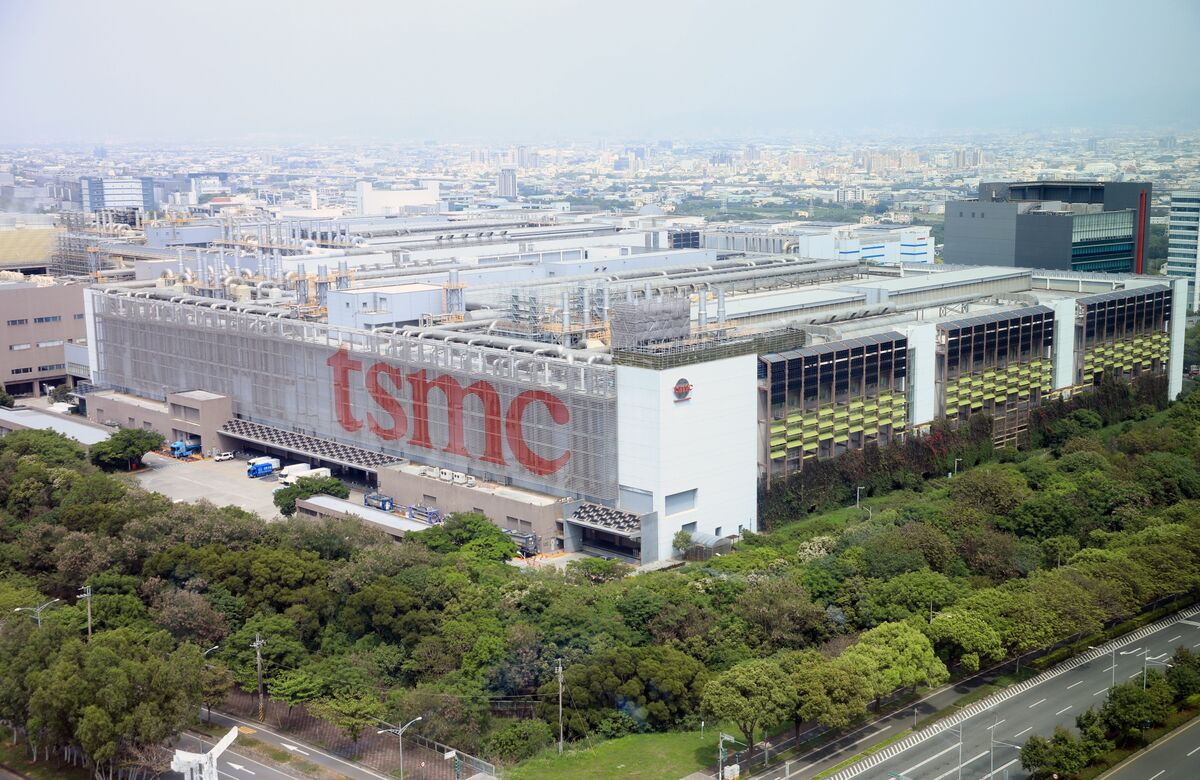
Taiwan Semiconductor Manufacturing Company (TSMC), the world’s largest contract chipmaker, announced on Thursday a significant 54% increase in net profit for the third quarter, largely driven by rising demand for AI-related applications. The company posted a net income of 352.3 billion Taiwanese dollars (approximately $10.1 billion) for the July-September period, surpassing an estimated 300.2 billion Taiwanese dollars, according to LSEG data.

TSMC, which counts major technology companies such as Apple and Nvidia among its clients, saw its net revenue climb to $23.5 billion in the third quarter, marking a 36% year-on-year increase. The company’s gross margin also improved, rising to 57.8%, compared to 54.3% in the same period the previous year.

“Our business was supported by strong smartphone and AI-related demand for our industry-leading 3nm and 5nm technologies,” TSMC stated, reflecting the growing global reliance on advanced semiconductors for AI and mobile applications.

In addition to its impressive profit, TSMC’s shares, listed on the Taipei Stock Exchange, have surged nearly 75% year-to-date, highlighting strong investor confidence in the company’s future growth prospects amid the AI-driven semiconductor boom.

Capital expenditure for TSMC edged slightly higher during the third quarter, reaching $6.4 billion, up from $6.36 billion in the previous three months. This increase reflects the company’s ongoing efforts to expand its production capabilities, especially to meet rising demand from the U.S. market.

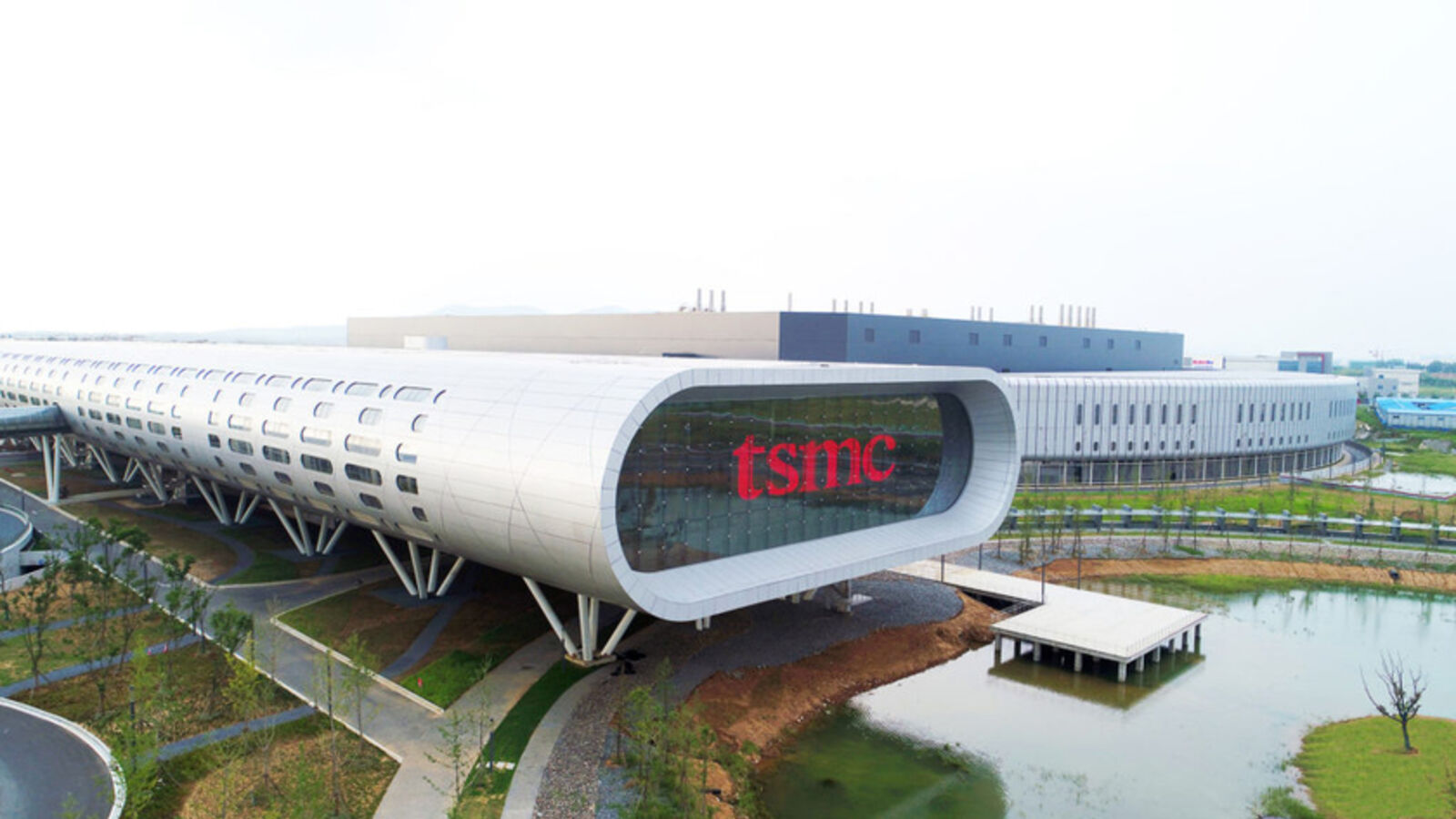
In line with its global expansion strategy, TSMC is investing $40 billion to construct two chip plants in Arizona, part of its broader commitment to meet U.S. semiconductor needs. Additionally, the company opened its first manufacturing facility in Japan earlier this year.

TSMC’s positive results contrast with recent news from ASML, a key supplier of chip-making equipment to TSMC, which issued a lower-than-expected sales forecast, sending its shares down. Despite such concerns, the AI boom continues to fuel optimism, though some market watchers question the long-term sustainability of this growth. Notably, Foxconn’s CEO, Young Liu, commented last week that the AI frenzy “still has some time to go,” suggesting that advancements in AI models will continue to drive the demand for cutting-edge semiconductors.


India’s Path to Becoming a Semiconductor Powerhouse Faces Challenges, but Collaboration is Key

India is making bold strides toward establishing itself as a global semiconductor powerhouse, aiming for self-reliance in manufacturing. Prime Minister Narendra Modi has set ambitious goals, targeting a leap in the country’s electronics sector from $155 billion today to $500 billion by 2030. However, experts are divided on whether this target is feasible, with a consensus that India cannot achieve it on its own.

Eri Ikeda, assistant professor at IIT Delhi, highlights that India’s semiconductor journey is still in its early stages. Taiwan leads global semiconductor production with 44% market share, followed by China (28%) and other key players like South Korea and the U.S. Collaborative efforts are already in motion, such as Taiwan’s Powerchip Semiconductor partnering with Tata Electronics to build India’s first wafer fab in Gujarat, and American chipmaker Micron Technology planning to produce semiconductors in India by 2025.

India’s drive for semiconductor self-reliance is partly fueled by its growing role as a viable alternative to China for global supply chains. However, analysts caution that India must first learn the nuances of the semiconductor industry. Rishi Bhatnagar of the Institution of Engineering and Technology suggests that India should focus on collaboration rather than direct competition with China, which continues to invest heavily in semiconductor equipment from the U.S. and Japan.

India is strengthening ties with the U.S. to diversify its semiconductor sources. The U.S. Department of State has partnered with India’s Semiconductor Mission to bolster global semiconductor value chains, further fueled by geopolitical tensions with China. As a democratic nation with a growing English-speaking workforce, India is positioned as an attractive investment destination for tech giants like Apple and Google.

While infrastructure and investment challenges remain, India has advantages such as a low labor cost and a young workforce. The country is also making significant improvements in its infrastructure, with plans to modernize highways, railways, and airports. These developments are crucial as India positions itself to cater to the increasing global demand for semiconductors.

Despite the hurdles, optimism persists. Analysts see India’s potential to meet global chip demands while maintaining lower production costs, offering a competitive edge over China. Samir Kapadia, CEO of India Index, emphasizes India’s unique combination of economic stability, workforce potential, and infrastructure development, making it a strong contender in the global semiconductor race.


India Rules Out Joining RCEP, Cites Concerns Over China’s Trade Practices

India’s Minister of Commerce and Industry, Piyush Goyal, has ruled out the country joining the Regional Comprehensive Economic Partnership (RCEP), the world’s largest trade deal, citing concerns over China’s trade practices. In an interview with CNBC, Goyal emphasized that it is not in India’s best interest to engage in a free trade agreement with China, which he described as a “non-transparent economy” with “very opaque” trade policies.

RCEP, which includes 15 Asia-Pacific nations, was signed in 2020 and came into force in 2022. India initially participated in the negotiations but withdrew in 2019 due to unresolved “core interest” issues. Goyal explained that the trade deal did not serve the interests of India’s farmers and small industries and was essentially a free trade agreement with China. He also accused China of exploiting World Trade Organization policies to flood markets with cheap goods, often of substandard quality.

China has been exporting large quantities of goods, from solar panels to steel, as its economy has slowed, leading to a surge of cheap exports in global markets. Goyal argued that India cannot compete against such non-transparent practices, which differ fundamentally from those of democratic nations.

India’s Semiconductor Ambitions
In addition to discussing trade, Goyal outlined India’s ambitions to become a hub for semiconductor manufacturing, positioning itself as a “Taiwan Plus One” country. India aims to capitalize on the growing demand for semiconductors, projected to reach $100 billion by 2030, by attracting foreign investment and building a robust ecosystem for chip manufacturing.

Prime Minister Narendra Modi has already inaugurated three semiconductor plants, and India has plans to expand its semiconductor industry further. Goyal highlighted India’s advantages, including its large population, democratic governance, and adherence to the rule of law, making it an attractive alternative for companies looking to diversify away from Taiwan.

India’s strategy involves forming partnerships with major semiconductor-producing nations like the U.S. and offering incentives, such as a $10 billion program for foreign companies willing to invest in the country. Goyal believes India’s size, youthful population, and stable legal framework make it a “compulsive case” for investment, as businesses seek to reduce their reliance on any single region for chip production.