India Rules Out Joining RCEP, Cites Concerns Over China’s Trade Practices
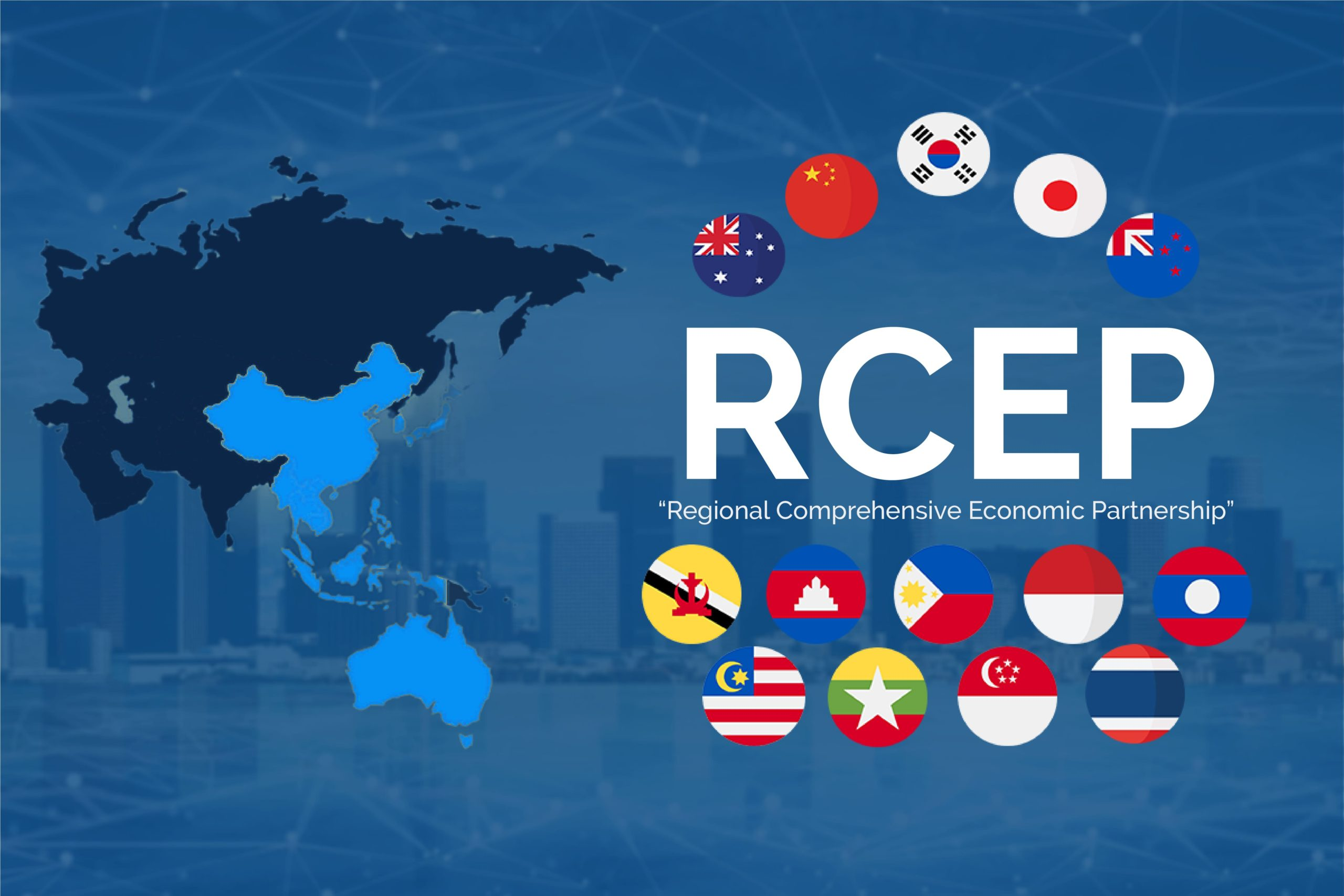
India’s Minister of Commerce and Industry, Piyush Goyal, has ruled out the country joining the Regional Comprehensive Economic Partnership (RCEP), the world’s largest trade deal, citing concerns over China’s trade practices. In an interview with CNBC, Goyal emphasized that it is not in India’s best interest to engage in a free trade agreement with China, which he described as a “non-transparent economy” with “very opaque” trade policies.
RCEP, which includes 15 Asia-Pacific nations, was signed in 2020 and came into force in 2022. India initially participated in the negotiations but withdrew in 2019 due to unresolved “core interest” issues. Goyal explained that the trade deal did not serve the interests of India’s farmers and small industries and was essentially a free trade agreement with China. He also accused China of exploiting World Trade Organization policies to flood markets with cheap goods, often of substandard quality.
China has been exporting large quantities of goods, from solar panels to steel, as its economy has slowed, leading to a surge of cheap exports in global markets. Goyal argued that India cannot compete against such non-transparent practices, which differ fundamentally from those of democratic nations.
India’s Semiconductor Ambitions
In addition to discussing trade, Goyal outlined India’s ambitions to become a hub for semiconductor manufacturing, positioning itself as a “Taiwan Plus One” country. India aims to capitalize on the growing demand for semiconductors, projected to reach $100 billion by 2030, by attracting foreign investment and building a robust ecosystem for chip manufacturing.
Prime Minister Narendra Modi has already inaugurated three semiconductor plants, and India has plans to expand its semiconductor industry further. Goyal highlighted India’s advantages, including its large population, democratic governance, and adherence to the rule of law, making it an attractive alternative for companies looking to diversify away from Taiwan.
India’s strategy involves forming partnerships with major semiconductor-producing nations like the U.S. and offering incentives, such as a $10 billion program for foreign companies willing to invest in the country. Goyal believes India’s size, youthful population, and stable legal framework make it a “compulsive case” for investment, as businesses seek to reduce their reliance on any single region for chip production.