Yazılar

Global Chip Sales Set to Reach $1 Trillion on AI Boom

Global semiconductor sales are expected to reach $1 trillion this year, according to the Semiconductor Industry Association, as massive investment in artificial intelligence infrastructure continues to drive demand. The industry group said chip sales totaled $791.7 billion in 2025, up 25.6% from the previous year, and momentum is expected to accelerate further.

Advanced computing chips led the growth, fueled by surging demand for AI workloads. Sales of high-performance processors made by Nvidia, Advanced Micro Devices, and Intel rose nearly 40% in 2025, reaching about $302 billion. These chips form the backbone of AI data centers being built by major technology firms worldwide.

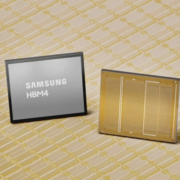
Memory chips were the second-largest segment, with sales climbing 34.8% to $223.1 billion as prices surged amid AI-driven shortages. The impact of AI has spread across the entire semiconductor supply chain, benefiting not only the largest manufacturers but also smaller firms supplying specialized components.

Industry executives remain optimistic about near-term demand. According to the association’s leadership, order books across Silicon Valley are full, suggesting a strong outlook through 2026 even as uncertainty remains over the longer-term pace of AI infrastructure build-outs.

AI Trade Fractures as Investors Turn Selective

The global artificial intelligence trade is splintering as investors grow more selective, weighing soaring capital spending, rising debt and uncertainty over who will ultimately profit from the technology. After an initial surge that lifted nearly all AI-linked assets, markets are now drawing sharper distinctions across stocks, sectors and regions.

One clear divide has opened between hardware “picks and shovels” and software firms. Shares of enterprise software and data companies such as ServiceNow and Salesforce have fallen sharply, while chipmakers and data-centre suppliers have proved more resilient. Strategists say investors are increasingly differentiating between companies that enable AI and those whose business models could be disrupted by it.

The famed “Magnificent Seven” are also no longer moving in lockstep. Heavy spending announcements by Microsoft, Meta Platforms, Alphabet and Amazon have triggered mixed share price reactions, as markets focus less on scale and more on returns. Fund managers warn that spending without clear payoff is no longer rewarded.

Regionally, South Korea has emerged as a standout winner as investors pile into memory-chip makers tied to AI infrastructure. The rally in Samsung Electronics and SK Hynix reflects growing conviction that memory demand will be a critical bottleneck in AI expansion. Together, these trends suggest the AI trade is evolving from a broad theme into a far more discriminating market.

Intel, AMD Warn China Clients of Lengthy CPU Delays

Intel and AMD have notified customers in China of significant supply shortages for server central processing units, with delivery lead times stretching weeks—and in some cases months—according to people familiar with the matter. Intel has warned some clients that deliveries could take up to six months, while AMD has flagged delays of eight to ten weeks for certain products.

The constraints have pushed prices for Intel’s server CPUs in China up by more than 10% in general, sources said, as booming investment in artificial intelligence infrastructure strains not only AI accelerators but the broader supply chain. Shortages appear especially acute for Intel’s fourth- and fifth-generation Xeon processors, where deliveries are being rationed amid a backlog of unfulfilled orders.

Intel said rapid AI adoption has driven strong demand for “traditional compute,” adding that inventories are at their lowest in the first quarter but should improve from the second quarter through 2026. AMD said it has boosted supply capacity and remains confident in meeting global demand through supplier agreements, including its manufacturing partnership with TSMC.

China accounts for more than 20% of Intel’s revenue, with major customers including cloud and server providers such as Alibaba and Tencent. The shortages reflect manufacturing constraints, capacity prioritization for AI chips, and tight memory supply—pressures that are compounding challenges for AI developers and enterprise customers alike.