Yazılar

Meta Expands Hardware Lineup with Oakley-Branded Glasses, Explores Watches and Earbuds

Meta Expands into Wearables: Oakley Smart Glasses, Smartwatches, and Earbuds on the Horizon

Meta Platforms Inc. is reportedly making significant strides in expanding its hardware offerings, with plans to introduce a range of new wearable devices. The company is focusing on integrating artificial intelligence features into these devices, aiming to offer more immersive and innovative user experiences. Among these new products are Oakley-branded smart glasses, which are said to be targeted towards athletes. This collaboration is expected to bring sports-focused smart glasses that cater to the unique needs of active users, with enhanced functionality for fitness tracking and performance analytics.

New Glasses and Upcoming High-End Wearables

In addition to the Oakley partnership, Meta’s Reality Labs division, responsible for its device development, is also working on high-end smart glasses that will feature a built-in display. These glasses, expected to launch in 2025, could bring augmented reality capabilities to a broader audience, expanding Meta’s reach beyond just virtual reality (VR). These developments signal Meta’s ambition to compete in the growing market for wearable technology, where Apple currently dominates with its popular Apple Watch and AirPods.

Competing with Apple in the Wearable Market

Meta’s venture into wearable tech is not limited to just glasses. The company is also working on creating products that could rival Apple’s smartwatch and AirPods. This could include smartwatches that integrate advanced AI for health monitoring and smart earbuds with camera capabilities, potentially offering features that go beyond what current devices offer. While Meta has yet to reveal full details of these products, they are expected to launch in the coming years, further strengthening the company’s position in the hardware space.

The Long-Term Goal: Augmented Reality

Perhaps the most ambitious project in Meta’s wearable pipeline is its long-awaited augmented reality (AR) glasses, which are being developed as the company’s first true AR product. This has long been considered the “holy grail” of wearable tech, as it could change how people interact with the world by overlaying digital content onto the physical environment. Meta is reportedly targeting a release of these AR glasses by 2027, a bold timeline that highlights the company’s commitment to shaping the future of augmented reality. However, details on this product remain scarce, with much of the development shrouded in secrecy for now.
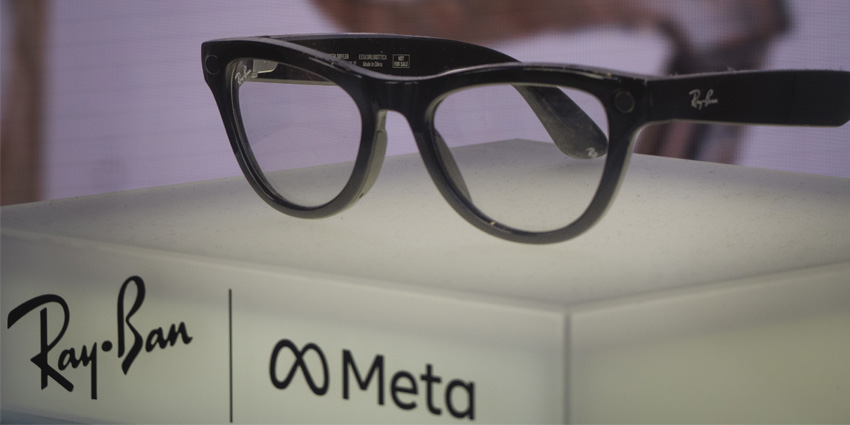
Ray-Ban Meta Smart Glasses Introduce AI-Powered Live Translation and Enhanced Features

Ray-Ban Meta Smart Glasses Introduce AI-Powered Live Features

Meta has unveiled two groundbreaking artificial intelligence (AI) features for its Ray-Ban Meta smart glasses. The first, known as Live AI, equips the glasses with real-time video processing capabilities. This allows Meta AI to continuously interpret the user’s surroundings through the built-in cameras and provide instant feedback or answers about what it observes. The second feature, live translation, enables real-time speech translation in supported languages. Meta CEO Mark Zuckerberg showcased this feature during Connect 2024, demonstrating its potential for breaking language barriers. These updates are initially available to members of Meta’s Early Access Program in Canada and the United States.

Enhancements with the v11 Software Update

The new AI capabilities are part of the v11 software update for the Ray-Ban Meta smart glasses, now being rolled out to eligible devices. This update reflects Meta’s commitment to integrating advanced AI technologies into wearable devices. By embedding these innovative features directly into the glasses, users can experience a seamless blend of hardware and software, transforming the way they interact with their surroundings.

Live AI: Context-Aware Intelligence

The Live AI feature leverages the glasses’ cameras to provide continuous, real-time video processing. By enabling the AI to “see” what the user sees, it creates a more intuitive and dynamic interaction. For example, users can point the glasses at an object, landmark, or text, and receive instant explanations or translations. This functionality mirrors OpenAI’s recently introduced Advanced Voice with Vision feature, highlighting the growing trend of vision-based AI capabilities in consumer devices.

Real-Time Translation for Global Communication

Live translation, another key addition, addresses the challenge of cross-language communication. The feature allows users to engage in real-time conversations, with speech automatically translated within supported languages. This innovation has significant implications for travel, business, and social interactions, making communication across cultures more accessible. With these updates, Meta continues to position its smart glasses as a versatile and indispensable tool in the expanding landscape of AI-powered wearables.

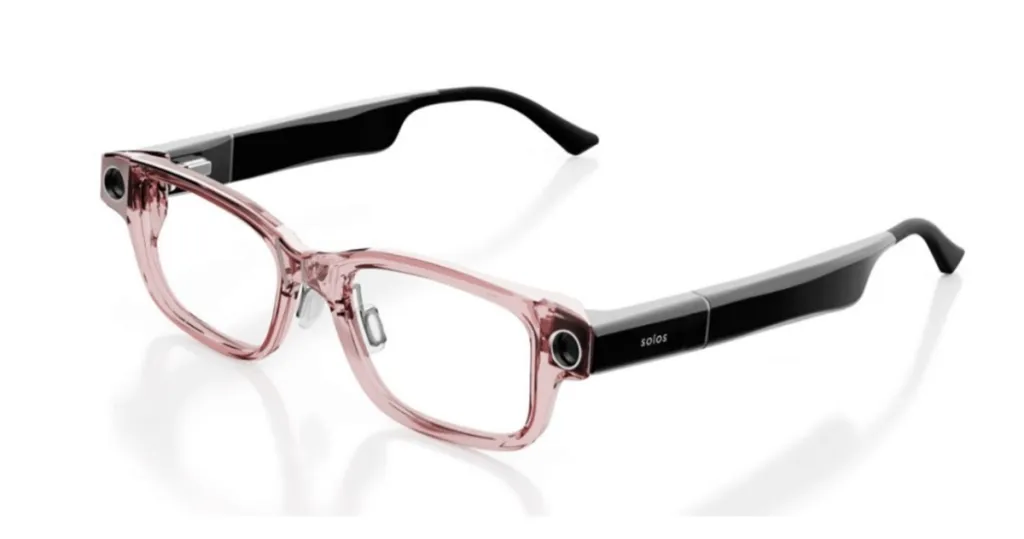
Solos AirGo Vision Smart Glasses Launch with ChatGPT Integration: Price and Features Revealed

Solos has officially launched its new pair of smart glasses, the AirGo Vision, which are powered by artificial intelligence (AI) and designed to offer users a unique and interactive experience. These smart glasses come equipped with front cameras and utilize OpenAI’s GPT-4 AI model, allowing them to answer questions and provide information about the user’s surroundings. While they share some similarities with Meta’s Ray-Ban smart glasses, the Solos AirGo Vision does not feature video recording capabilities. The glasses also include virtual buttons for easy control and support USB Type-C charging for convenience.

The price of the Solos AirGo Vision starts at Rs. 25,878 in India (approximately $299 in the US), making it a relatively affordable option for AI-powered wearable tech. For those who require prescription lenses, additional costs will apply, with options for blue blocker, photochromic, or polarized lenses available. In the US, a bundle offer is available, which includes the smart glasses’ frames along with three interchangeable frame fronts for $349. This offer allows users to decide when to activate the front cameras or switch to regular frames for a more traditional look.

Solos plans to start shipping the AirGo Vision smart glasses on December 23, and the device will be available for purchase through the company’s official website. The glasses will be offered in three color options: Shiny Black, Dark Crystal Gray, and Shiny Crystal Brown, giving users a range of styles to choose from. The AI-powered features and customizable options make the AirGo Vision a promising addition to the growing smart eyewear market, catering to those seeking a blend of technology and style in their everyday accessories.

As the wearable tech market continues to evolve, the AirGo Vision presents an exciting opportunity for users looking to incorporate AI into their daily lives. Whether it’s for answering questions on the go, providing real-time information, or simply enhancing convenience, the Solos AirGo Vision smart glasses are set to offer a new level of functionality and versatility for consumers.