Yazılar

Amazon Increases Ad Spending on Elon Musk’s X Despite Past Concerns

Amazon is reportedly ramping up its advertising spend on Elon Musk’s social media platform X, according to the Wall Street Journal. This marks a significant shift from the e-commerce giant’s decision to pull much of its advertising from the platform over a year ago due to concerns about hate speech.

The move follows a period of decreased ad spending on X by other major companies, including Apple, which removed its ads in 2023. However, Apple has since engaged in discussions about testing ads on the platform again. Other advertisers, including tech and media companies, also suspended their campaigns after Musk’s endorsement of an antisemitic post, which falsely accused Jewish people of inciting hatred against white people.

Since Musk’s acquisition of the platform, formerly known as Twitter, in October 2022, X has seen a sharp decline in monthly U.S. ad revenue—dropping at least 55% year-over-year each month. Musk has acknowledged the risk of a prolonged advertising boycott, admitting that it could potentially bankrupt the platform.


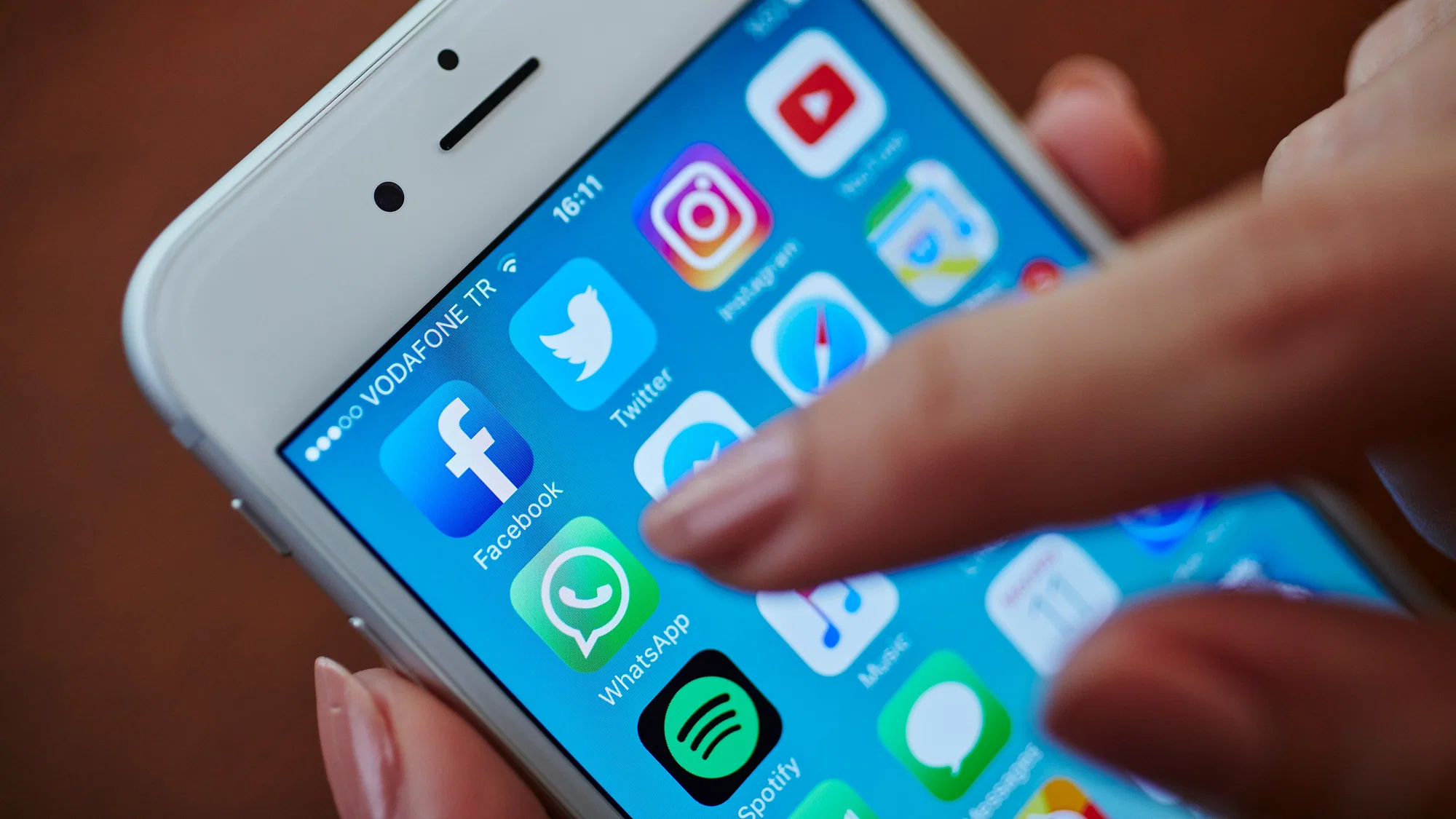
WhatsApp to Introduce Automatic Status Sharing on Facebook and Instagram

WhatsApp to Integrate with Meta Accounts Centre for Easier Cross-App Sharing

In a move to streamline user experience across its platforms, WhatsApp will soon be integrated with Meta’s Accounts Centre, allowing for smoother connectivity between WhatsApp and other Meta apps like Facebook and Instagram. This new feature, expected to roll out in the coming months, will allow WhatsApp users to automatically share their WhatsApp Status updates on Facebook and Instagram without needing to post them manually on each platform. The integration is designed to offer a more seamless experience for users who frequently switch between Meta’s apps, making cross-platform sharing more convenient.

Simplifying Cross-App Sharing and Login

According to Meta, the WhatsApp integration with Accounts Centre is completely optional—users can choose whether or not to link their WhatsApp accounts to the hub. However, those who do opt in will gain the ability to share their WhatsApp Status directly to Facebook or Instagram stories, eliminating the need for repetitive posting across different apps. This change aims to save users time and effort, enabling more efficient sharing with their broader social media networks.

Single Sign-On for a Smoother Experience

In addition to the cross-platform sharing feature, the integration will offer the benefit of a single sign-on for all Meta apps. This means that users will be able to log into WhatsApp, Facebook, and Instagram more quickly and without the need to remember multiple login credentials. The company also notes that the new integration will bring additional features like centralized management of avatars, Meta AI stickers, and Imagine Me creations, all of which can be accessed and edited from one unified location across apps.

Global Rollout and Future Features

Meta intends to introduce this feature globally, though it will likely be rolled out in phases, so users may not see the integration immediately. Once available, users will find the option to link their WhatsApp account in WhatsApp settings, or they will be prompted to connect when trying to share content between Meta apps. Alongside this integration, Meta plans to release more universal features that enhance user experience, making it easier for people to stay connected and manage their profiles across its various platforms. With these updates, Meta continues to work towards a more unified and efficient social media ecosystem.

Trump’s Executive Order on Free Speech Draws Criticism

On Monday, U.S. President Donald Trump signed an executive order aimed at restoring freedom of speech and ending censorship on online platforms. The order has sparked significant backlash, with critics pointing to Trump’s own controversial history regarding freedom of expression.

Key Points:

  • Purpose of the Order: Trump’s executive order is intended to address what he and his Republican allies have described as the suppression of free speech under the Biden administration, particularly in the context of social media platforms. The order is framed as a response to alleged censorship of political viewpoints and speech.
  • Criticism of Trump’s Past Actions: Critics have pointed out that Trump himself has a history of restricting free speech. Over the years, he has threatened and sued journalists, political opponents, and critics, often citing their comments as defamatory. His past actions, such as suing five media outlets including CNN and ABC News, and referring to journalists as the “enemy of the people,” have raised concerns about the authenticity of his commitment to free speech.
  • Legal Context: While Trump’s order seeks to address alleged censorship, the U.S. Supreme Court ruled in June that the Biden administration’s interactions with social media companies did not violate First Amendment rights. The federal government is already prohibited from interfering with citizens’ free speech, raising doubts about the impact of the new executive order.
  • Expert Opinion: University of California, Irvine, Professor David Kaye criticized the order as a “deeply cynical” public relations move. Kaye, a former UN Special Rapporteur on free speech, argued that the government is already restricted from interfering with First Amendment rights, and the order would not change that. He also questioned the consistency of Trump’s stance on free speech, noting the contradiction between his criticisms of the media and his supposed defense of free speech.