Yazılar

Trump Asks Supreme Court to Delay TikTok Ban for Potential Political Resolution

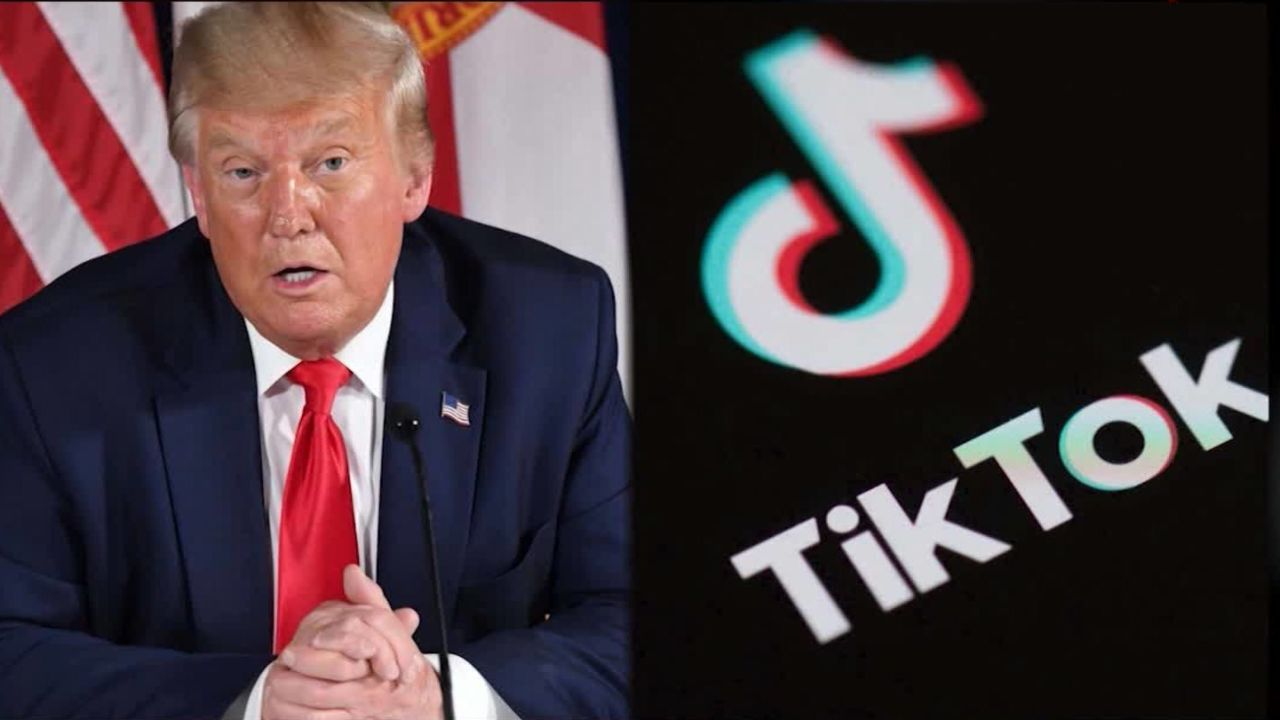
President-elect Donald Trump has called on the U.S. Supreme Court to delay the implementation of a law that would ban the popular social media app TikTok or compel its Chinese parent company, ByteDance, to sell the platform to a U.S. entity. The law, set to take effect on January 19, 2025, would force divestment or result in a nationwide ban on TikTok, which has over 170 million users in the United States.

The Supreme Court is scheduled to hear arguments on the case on January 10, but Trump’s legal team has requested a stay on the law’s deadline to allow his incoming administration time to explore a political resolution to the matter. “President Trump takes no position on the underlying merits of this dispute,” said his lawyer, D. John Sauer, who is also the president-elect’s nominee for U.S. solicitor general. “Instead, he respectfully requests that the Court consider staying the Act’s deadline… to permit President Trump’s incoming administration the opportunity to pursue a political resolution.”

This stance represents a reversal from Trump’s earlier position in 2020 when he attempted to ban TikTok and force its sale due to concerns about its Chinese ownership. However, during his presidential campaign, Trump appeared to soften his approach, meeting with TikTok CEO Shou Zi Chew in December and expressing a “warm spot” for the app. Trump even credited TikTok with helping him gain billions of views during his campaign.

TikTok and ByteDance have contested the law, arguing that the U.S. government has mischaracterized their ties to China. The company maintains that U.S. user data and content moderation decisions are handled domestically, with data stored on Oracle-operated servers in the United States. Despite these assurances, the U.S. Justice Department and most lawmakers argue that Chinese control of TikTok poses a national security risk.

Opponents of the ban, including free speech advocates, have voiced concerns that the legislation echoes censorship practices of authoritarian regimes. However, Montana Attorney General Austin Knudsen, supported by 22 state attorneys general, filed an amicus brief urging the Supreme Court to uphold the law, emphasizing the importance of addressing national security risks associated with Chinese influence over the app.

The outcome of this case could have significant implications for U.S.-China relations, free speech, and the future of TikTok in America. For now, Trump’s request seeks to buy time for a potential diplomatic or legislative resolution as the nation awaits the Court’s decision.

Trump Suggests Keeping TikTok in the US for the Time Being

President-elect Donald Trump has expressed a preference for allowing TikTok to continue operating in the United States, citing the platform’s significant role in his presidential campaign. Speaking to a conservative crowd in Phoenix, Arizona, Trump remarked on the app’s success during his campaign, noting the billions of views he received on TikTok. These comments are the strongest indication yet that he opposes a potential U.S. exit for the popular social media platform.

Earlier in April, the U.S. Senate passed a law demanding TikTok’s Chinese parent company, ByteDance, divest the app, citing national security concerns. TikTok has fought this move in court, and the U.S. Supreme Court has agreed to hear the case. If ByteDance loses and no divestment occurs, the app may face a ban in the U.S. by January 19, just one day before Trump’s inauguration.

Trump, however, hinted that the situation might need to be reconsidered. He referred to the overwhelming response to his content on TikTok, saying, “Maybe we gotta keep this sucker around for a little while.” He also met with TikTok’s CEO on Monday and expressed a “warm spot” for the app due to its impact on his campaign’s visibility.

Despite Trump’s remarks, the U.S. Justice Department maintains that TikTok, under Chinese ownership, poses a national security threat. This position is widely supported by U.S. lawmakers. TikTok, however, defends its operations, asserting that user data is stored in the U.S. on servers run by Oracle Corp and that decisions about content moderation are made within the country.


Musk’s xAI Releases Free Access to Grok-2 AI Chatbot

Elon Musk’s artificial intelligence company, xAI, announced on Saturday that the latest version of its chatbot, Grok-2, will now be available free of charge to all users of the social media platform X (formerly Twitter).

According to xAI, users subscribed to the Premium and Premium+ tiers of the platform will benefit from higher usage limits and early access to future capabilities of the chatbot. The announcement, made via the company’s blog, emphasized that these premium users will continue to enjoy priority features as new updates roll out.

xAI revealed that it has been conducting quiet testing of the updated Grok-2 model over the past few weeks to refine its functionality and enhance its performance.

This move aligns with Musk’s vision of integrating artificial intelligence into everyday user interactions on X, leveraging Grok-2 to provide innovative tools and services to the platform’s growing user base.