Yazılar

US senators unveil bill to curb scam ads on social media platforms

Two U.S. senators have introduced bipartisan legislation aimed at forcing social media platforms to take greater responsibility for fraudulent advertising. Senators Ruben Gallego and Bernie Moreno said the proposed Safeguarding Consumers from Advertising Misconduct Act, or SCAM Act, would require platforms to take “reasonable steps” to prevent scam ads or face enforcement by the Federal Trade Commission and state attorneys general.

The bill would mandate verification of advertisers’ identities or the legal existence of businesses, and require platforms to quickly review and act on reports of fraudulent ads. Supporters say social media companies have become a major conduit for online scams by relaxing advertiser checks to protect ad revenues.

The proposal follows a Reuters investigation that cited internal documents at Meta Platforms estimating that scam and illicit ads could account for a significant share of revenue. Meta has disputed those figures and said it actively combats fraud. The legislation is backed by the American Bankers Association and consumer groups such as AARP, and would allow state authorities to bring civil action against non-compliant platforms.

Indian tourist state of Goa weighs social media ban for children

India’s top tourist state of Goa is considering a potential ban on social media use for children, drawing inspiration from Australia’s recent restrictions amid growing concerns over the impact of online platforms on young users’ mental health. The proposal comes as India remains one of the world’s largest markets for social media, with millions of users estimated to be under 18.

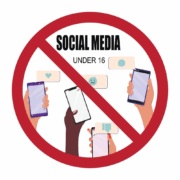
Goa’s information technology minister said state authorities are studying Australia’s law, which restricts social media access for children under 16, to assess whether a similar approach could be adopted locally. Officials said details of any proposal would follow after further review.

The discussion highlights the absence of nationwide rules in India governing minors’ access to social media, despite increasing debate over screen time, online safety and psychological well-being. Another Indian state, Andhra Pradesh, has also indicated it is exploring comparable measures after reviewing global regulatory efforts.

Australia last year became the first country to implement a nationwide social media ban for children under 16, a move that deactivated millions of teen accounts within weeks. Other countries, including France and several in Southeast Asia, are closely watching the outcome as they consider similar policies.

U.S. judge weighs school districts’ addiction claims against social media companies

A U.S. federal judge is considering whether school districts can take their lawsuits against major social media companies to trial over claims that platform designs knowingly addict young users. At a hearing in Oakland, California, attorneys for Meta and other companies argued that federal law shields them from liability, while school districts said they have been forced to spend significant resources addressing student mental health problems linked to social media use.

The companies urged U.S. District Judge Yvonne Gonzalez Rogers to block the cases, citing Section 230 of the Communications Decency Act, which generally protects platforms from liability over user-generated content. Defense lawyers argued that the districts’ claims rely heavily on such content and should therefore be barred.

Lawyers for the school districts countered that their cases focus not on user content but on platform features they say were deliberately designed to keep children and teenagers engaged for as long as possible. They argued that these design choices have contributed to rising anxiety, depression and cyberbullying among students, creating financial and staffing burdens for schools.

The lawsuits are part of a broader wave of thousands of cases nationwide accusing companies including Meta, TikTok, Snapchat and YouTube of fueling a youth mental health crisis. Judge Rogers is weighing whether several test cases should proceed to trial, a decision that could shape future litigation and potential settlements across the country.