Yazılar

Crusoe Secures $11.6 Billion to Expand Texas AI Data Center, Supporting OpenAI Infrastructure

AI infrastructure startup Crusoe has raised an additional $11.6 billion to significantly expand its upcoming data center in Abilene, Texas, marking one of the largest funding rounds in the emerging “neocloud” space. The new capital brings the total raised for the project to $15 billion and will allow Crusoe to expand the facility from two to eight buildings, the company confirmed on Wednesday.

Founded in 2018 as a crypto-focused firm, Crusoe has since pivoted to become a specialized cloud provider for AI workloads, part of a new wave of “neoclouds” that offer tailored infrastructure beyond the traditional giants like AWS, Azure, and Google Cloud.

Crusoe has been contracted by Oracle to construct the first data center for Stargate — a major AI infrastructure initiative backed by OpenAI, SoftBank, and Oracle, with a planned $500 billion investment in global AI infrastructure. According to The Wall Street Journal, the Abilene facility is set to become OpenAI’s largest data center.

“Our customer is Oracle. OpenAI is Oracle’s customer,” Crusoe clarified in a statement, emphasizing its indirect yet vital role in supporting the ChatGPT creator’s infrastructure needs.

The project is seen as part of OpenAI’s long-term goal to reduce reliance on Microsoft, its current primary cloud provider.

Key Details:

  • Location: Abilene, Texas

  • Total Buildings: 8 (up from 2)

  • AI Chips: Each building will house up to 50,000 Nvidia Blackwell systems

  • Sponsors: Crusoe, Blue Owl’s Real Assets platform, and Primary Digital Infrastructure

The facility will support intensive generative AI workloads, crucial for OpenAI’s future model development and deployment.

The explosive growth in demand for AI compute capacity has fueled an investment boom in data centers powered by specialized chips like Nvidia’s Blackwell series — a market Crusoe is aggressively entering.

Neither OpenAI nor Nvidia responded to requests for comment at the time of publication.
Grab Eyes $7 Billion Acquisition of GoTo in Q2, But Regulatory Hurdles Loom

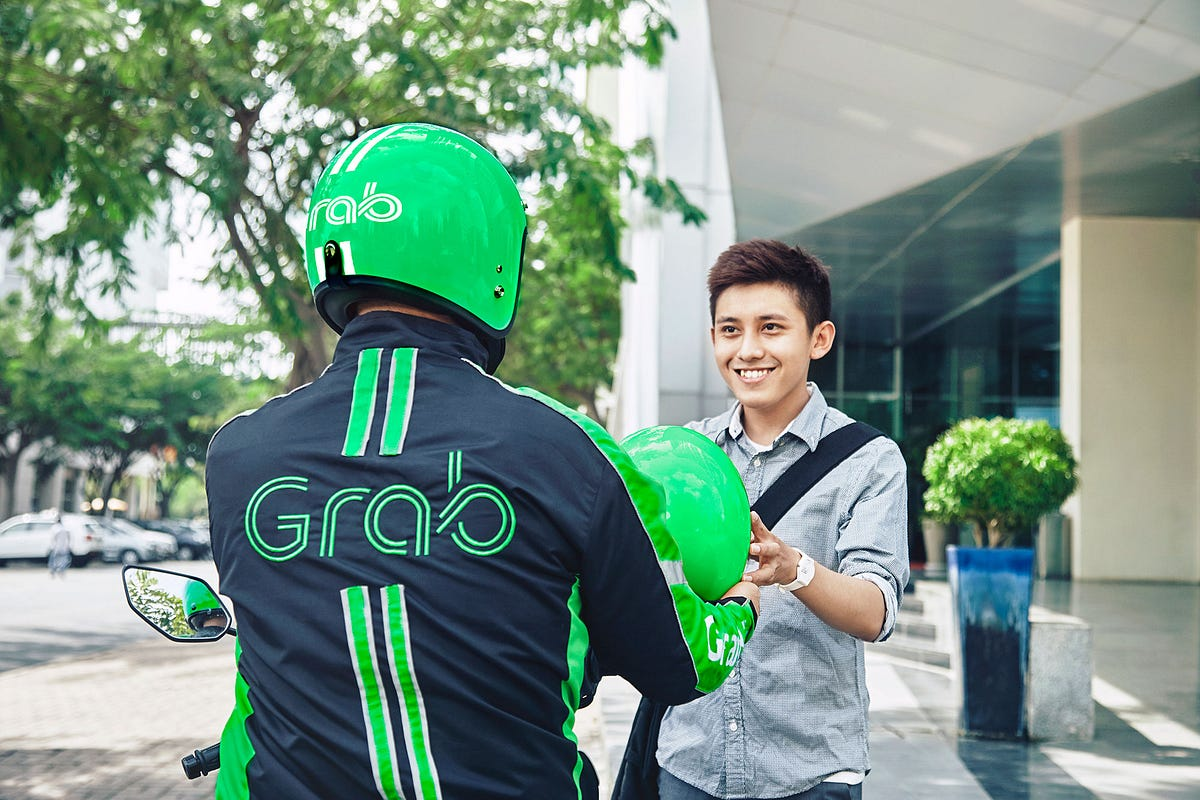
Grab Holdings (GRAB.O) is reportedly working to finalize a deal to acquire Indonesian tech giant GoTo (GOTO.JK) in the second quarter of 2025, in what would be a transformative merger in Southeast Asia’s digital economy, multiple sources told Reuters. If completed, the deal could value GoTo at around $7 billion, making it one of the largest consolidations in the region’s ride-hailing and delivery sectors.

Singapore-based Grab has hired advisers and is currently in discussions with banks to finalize financing. Meanwhile, GoTo has acknowledged awareness of potential proposals but stated no decisions have been made.

Under the current proposal:

  • GoTo would divest its international business entirely

  • In Indonesia, GoTo would sell all operations except its finance arm to Grab

Grab—backed by Uberoffers services in ride-hailing, food delivery, and fintech, while GoTo, which counts SoftBank and Taobao China Holding as investors, is Indonesia’s largest digital ecosystem spanning e-commerce, logistics, and digital banking.

Market Dominance and Regulatory Concerns

A merger would give Grab control of 85% of Southeast Asia’s $8 billion ride-hailing market, including a 91% market share in Indonesia and nearly 90% in Singapore, according to Euromonitor International.

Markets, especially in Indonesia and Singapore, will impose strict scrutiny,”
said David Zhang, Euromonitor’s insights manager in Asia.

Talks between the two companies have been on and off for years, largely due to competition concerns. Analysts warn that regulators may see such a consolidation as anti-competitive—especially amid broader antitrust crackdowns and rising consumer costs driven by macroeconomic volatility and global tariffs.

However, some voices argue a merger could be beneficial.

Indonesian authorities may adopt a more pragmatic approach,” said Niko Margaronis of BRI Danareksa Sekuritas, noting potential long-term value creation and operational strengthening.

The antitrust backdrop is tense: in March, Uber’s $950 million bid for Delivery Hero’s Foodpanda in Taiwan was blocked, over concerns that it could stifle competition and lead to price hikes.

While the Grab-GoTo deal is still under negotiation and not finalized, its outcome could reshape Southeast Asia’s digital landscape, with implications for consumers, competitors, and regulators alike.

OpenAI to Halve Revenue Share with Microsoft Amid Restructuring, Report Says

OpenAI plans to significantly reduce the share of its revenue allocated to Microsoft by the end of the decade, as part of its ongoing corporate restructuring, according to a report by The Information on Tuesday. The AI firm reportedly informed investors that its revenue-sharing deal with Microsoft—currently 20% through 2030could fall to 10% or less over the next several years.

The shift comes amid broader changes at OpenAI, which recently abandoned plans for a full conversion into a public benefit corporation (PBC) and reaffirmed nonprofit control, limiting CEO Sam Altman’s power while trying to balance mission-driven governance with commercial scalability.

The financial update shared with investors suggests a future where OpenAI is less dependent on Microsoft while still maintaining a collaborative relationship. In response to the report, OpenAI noted it is finalizing the details of this recapitalization”, and said it continues to work closely with Microsoft. However, Microsoft declined to comment.

In January, Microsoft adjusted key terms of its deal with OpenAI, following its joint venture with Oracle and SoftBank to invest up to $500 billion in U.S.-based AI data centersa move that signaled deeper integration of AI infrastructure beyond OpenAI’s models alone.

The current OpenAI–Microsoft partnership includes reciprocal revenue sharing agreements, access to OpenAI’s models on Microsoft’s Azure platform, and embedded use of ChatGPT within Microsoft’s enterprise software like Office and Azure AI services.

Microsoft, which has invested over $13 billion in OpenAI, is believed to be negotiating for continued access to OpenAI’s technology post-2030, as competition intensifies in the global AI race.