Yazılar

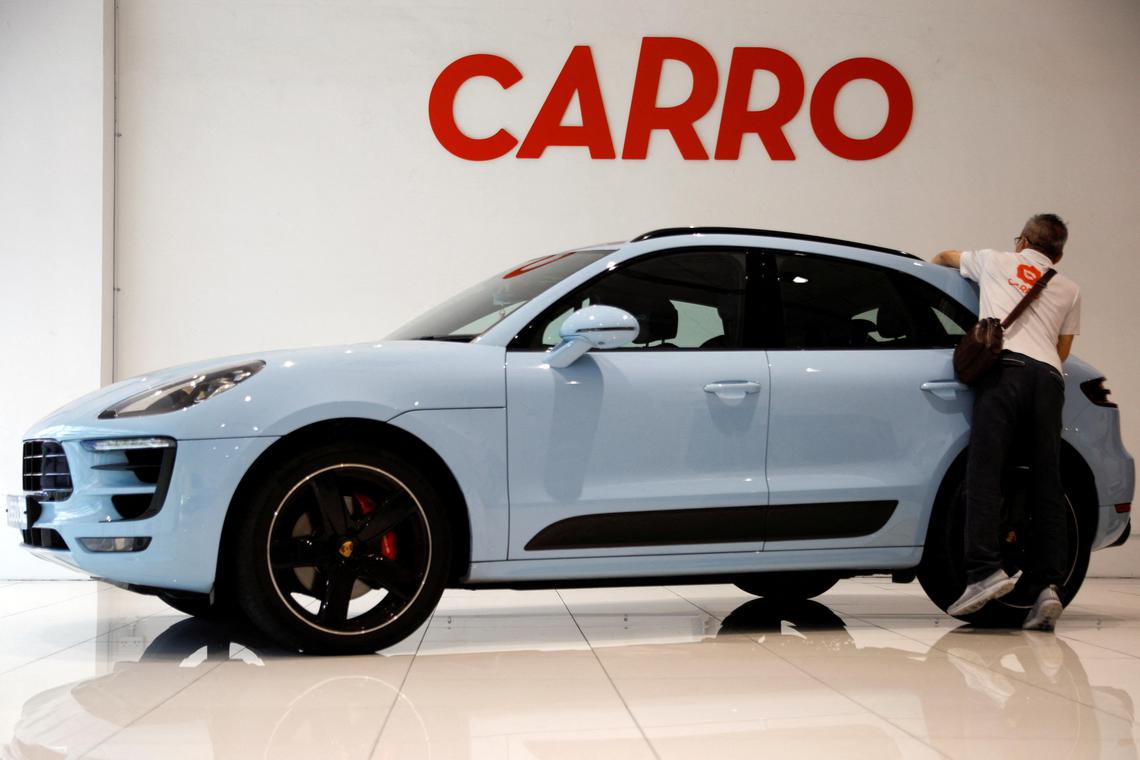
Singapore’s Carro Eyes US IPO with $3 Billion+ Valuation

Singapore-based Carro, the largest used-car online marketplace in Southeast Asia, is preparing for a U.S. initial public offering as early as 2026, targeting a valuation exceeding $3 billion and potentially raising up to $500 million, sources familiar with the matter told Reuters.

If successful, Carro’s IPO would be the largest Southeast Asian U.S. listing since SEA’s $989.3 million debut in 2017 and rank as the third largest Southeast Asian tech IPO in the U.S., according to LSEG data. It would also mark the first major automotive tech and AI-driven commerce startup from Singapore to go public in the U.S.

Carro is on track to generate $100 million in annual EBITDA by its fiscal year ending March 2026, one source said. The IPO size remains subject to change based on market conditions.

Founded in 2015, Carro operates a digital platform facilitating vehicle buying and selling for consumers and dealers, while providing insurance, financing, and after-sales services. It has expanded across the Asia-Pacific region, including Malaysia, Indonesia, Thailand, Japan, Taiwan, and Hong Kong.

With a workforce of over 4,500 employees, Carro has raised more than $1 billion in combined debt and equity funding from investors like Temasek, SoftBank, and other sovereign funds.

A successful IPO could open doors for other Southeast Asian unicorns such as Carsome, Traveloka, and Xendit to pursue U.S. listings. Meanwhile, Chinese companies continue to seek U.S. public markets, attracted by potentially higher valuations despite geopolitical challenges.
SoftBank’s Masayoshi Son Proposes $1 Trillion Arizona AI and Robotics Hub

SoftBank Group founder Masayoshi Son is planning a $1 trillion industrial complex in Arizona focused on robotics and artificial intelligence, Bloomberg News reported Friday, citing sources familiar with the matter. The ambitious project aims to revive high-end tech manufacturing in the U.S. and create a hub akin to China’s manufacturing powerhouse, Shenzhen.

Son is reportedly seeking to partner with Taiwan Semiconductor Manufacturing Co. (TSMC) for the venture, codenamed Project Crystal Land, though the exact role TSMC would play and its interest level remain unclear. TSMC is already investing heavily in U.S. chip manufacturing with planned investments totaling $165 billion.

SoftBank officials have engaged in discussions with U.S. federal and state officials, including Commerce Secretary Howard Lutnick, to explore tax incentives for companies that build factories or invest in the industrial park.

The project also seeks interest from other tech giants such as Samsung Electronics. However, the plans are preliminary and dependent on support from the Trump administration and state authorities.

If realized, the $1 trillion investment would surpass the scale of the $500 billion “Stargate” project, a U.S. data center expansion funded by SoftBank, OpenAI, and Oracle.

SoftBank and TSMC have declined to comment on the report. The White House and Department of Commerce did not immediately respond to requests for comment.

This proposed initiative follows several major SoftBank investments this year, including its $6.5 billion acquisition of semiconductor designer Ampere and up to $40 billion commitment to OpenAI, part of which may be syndicated to other investors. Recently, SoftBank also raised $4.8 billion by selling shares in T-Mobile.

SoftBank Targets $4.9 Billion via T-Mobile Share Sale, Bloomberg Reports

SoftBank Group Corp is planning to raise nearly $4.9 billion through an overnight block sale of shares in T-Mobile US, according to a report by Bloomberg News on Monday. The Japanese tech conglomerate is offering to sell 21.5 million T-Mobile shares at a price range of $224 to $228 per share.

The proposed sale price reflects a discount of over 3% from T-Mobile’s closing price of $230.99 on Monday. The stake represents approximately 1.9% of T-Mobile’s outstanding shares, based on Reuters calculations. Bank of America is reportedly handling the deal.

Neither SoftBank nor T-Mobile has issued public comments in response to the report.

SoftBank’s decision to divest part of its T-Mobile holdings comes shortly after it reported a 1.15 trillion yen ($7.94 billion) profit for the fiscal year ending March 2025, rebounding from a 227.6 billion yen loss the previous year. The move also signals SoftBank’s continued strategy of realizing gains from past tech investments to support its broader portfolio, which has included both major successes like Alibaba and high-profile failures like WeWork.

The sale is being conducted as an unregistered offering, typically structured to appeal to institutional investors without going through full regulatory disclosures.