Yazılar

Judge Rejects Musk’s Bid to Halt OpenAI’s For-Profit Shift, Fast-Tracks Trial

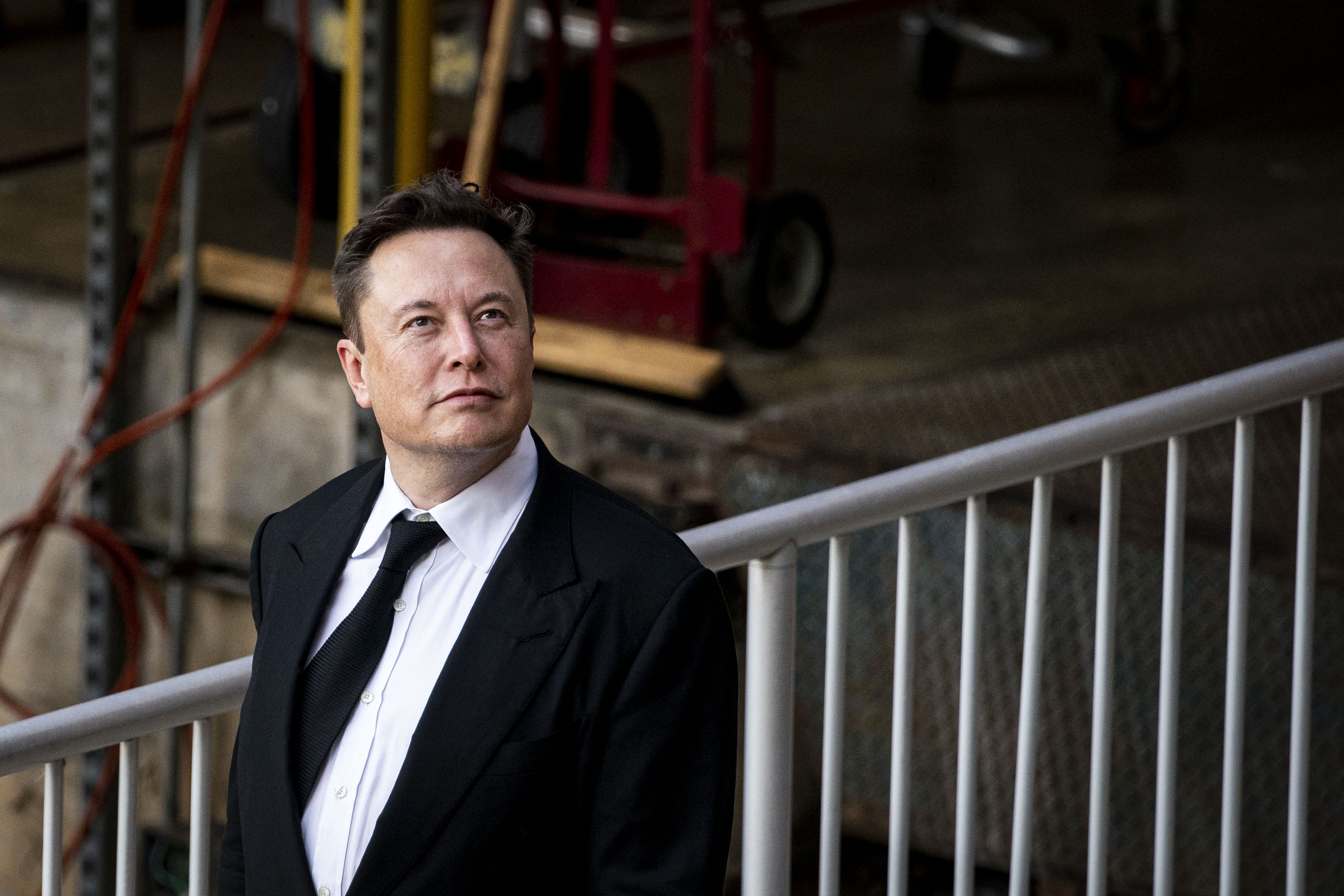
A U.S. judge has denied Elon Musk’s request for a preliminary injunction to pause OpenAI’s transition to a for-profit model. However, U.S. District Judge Yvonne Gonzalez Rogers in Oakland, California, fast-tracked the case, scheduling a trial for the fall of this year. Musk, the co-founder of OpenAI, has been in a year-long legal dispute with the organization, accusing it of abandoning its original mission to develop artificial intelligence for the public good.

The judge determined that Musk did not meet the high legal threshold necessary to block OpenAI’s shift to a for-profit model. However, she emphasized the importance of resolving the case swiftly due to the potential public interest and harm if the transition were deemed unlawful. OpenAI’s leaders, including CEO Sam Altman, have denied Musk’s claims, arguing that the for-profit move is essential for raising capital and staying competitive in the high-stakes AI sector.

Musk’s legal team expressed satisfaction with the judge’s decision to fast-track the trial, which they argue will clarify whether Altman knowingly accepted Musk’s charitable contributions under the assumption they would be used for public benefit. OpenAI, which is backed by Microsoft, has framed the lawsuit as a competition-related dispute, as Musk launched a rival AI company, xAI, in 2023.

The ruling follows Musk’s failed attempt to acquire OpenAI, which rejected his $97.4 billion buyout offer. OpenAI’s valuation has also seen significant growth, with reports indicating that SoftBank is considering a funding round that could value the company at $300 billion, far surpassing the valuation of Musk’s xAI, which has been reported at $75 billion.
Elon Musk-Led Group Makes $97 Billion Bid for Control of OpenAI

Elon Musk and a consortium of investors have presented a $97.4 billion offer to acquire OpenAI’s nonprofit parent company, escalating tensions with OpenAI CEO Sam Altman. Musk’s bid comes as part of his ongoing efforts to prevent OpenAI from transitioning into a for-profit entity, which it claims is necessary to secure sufficient funding for advanced AI model development.

Background:

Musk co-founded OpenAI in 2015 alongside Altman, initially as a nonprofit organization. However, Musk departed from the company before it gained significant traction and later established a rival AI venture, xAI, in 2023. Recently, OpenAI has been working to convert into a for-profit company to attract the capital needed to remain competitive in the AI space.

Musk, known for his leadership at Tesla and his ownership of X (formerly Twitter), has strongly opposed this shift, arguing that it prioritizes profits over the public good. In a lawsuit filed in August 2023, Musk claimed that OpenAI’s move toward a for-profit model violated its original mission to develop AI for the benefit of humanity. He has since attempted to block this transition in court.

Musk’s Offer:

Musk’s $97.4 billion bid is designed to challenge OpenAI’s current direction and potentially block its move to for-profit status. His consortium includes his own startup xAI, Baron Capital Group, Emanuel Capital, and others. A merger between xAI and OpenAI has also been suggested as part of the deal.

While the offer has made headlines, OpenAI’s board, along with CEO Sam Altman, has firmly rejected the proposal. Altman communicated to staff that OpenAI is not for sale and has no interest in Musk’s bid, emphasizing that the company intends to proceed with its transition into a for-profit entity.

Financial Implications:

OpenAI was valued at $157 billion in its last funding round, cementing its position as one of the most valuable private companies globally. SoftBank is reportedly in talks to lead a funding round that could value OpenAI at $300 billion, including new capital. However, Musk’s offer, backed by prominent investors, adds complexity to OpenAI’s fundraising efforts and the conversion process.

Musk’s wealth, primarily tied to Tesla and SpaceX, could provide the financial backing for the deal, though it may require him to liquidate part of his holdings or take out loans against his assets.

Legal and Corporate Governance Concerns:

Jonathan Macey, a corporate governance expert, expressed concern that the bid could complicate OpenAI’s nonprofit status. OpenAI’s board is tasked with ensuring the company’s mission remains intact, and they may be legally obligated to consider Musk’s bid if it’s deemed to be in the best interest of the organization.

Analysts, including Gil Luria from D.A. Davidson, suggested that Musk’s offer could disrupt OpenAI’s current fundraising strategy and call into question any existing offers, such as the potential investment from SoftBank.

OpenAI Explores U.S. Data Center Sites for Stargate AI Project Amid China Competition

OpenAI announced on Thursday that it is evaluating several U.S. states as potential locations for data centers supporting its Stargate AI venture. The initiative is positioned as a strategic move to maintain U.S. leadership over China in the AI race.

Chris Lehane, OpenAI’s chief global affairs officer, highlighted the competitive urgency. “With the emergence of DeepSeek, it’s clear this competition is serious. Whoever prevails will shape the future, whether it’s democratic and open AI or authoritarian and autocratic AI,” he said.

Stargate, unveiled by U.S. President Donald Trump last month, represents a private sector AI infrastructure investment of up to $500 billion. Funded by SoftBank, OpenAI, and Oracle, the project has already committed $100 billion for immediate deployment, with further investments to roll out over the next four years.

Sixteen U.S. states have expressed interest in hosting Stargate data centers, with Texas designated as the flagship location. The first data center, under construction in Abilene, Texas, is being developed by startup Crusoe and is expected to be partially operational later this year. Keith Heyde, leading site selection for Stargate, said, “We are looking at five to ten sites for our campus footprint.”

However, the emergence of China’s low-cost DeepSeek AI model has cast doubt on the assumption that large-scale, specialized data centers are essential for AI advancement. DeepSeek researchers claimed they trained their model on less sophisticated chips at a fraction of the cost required by American AI models.

This development sent shockwaves through global markets. Investors reacted by dumping tech stocks, particularly Nvidia, the leading AI chipmaker, wiping out $593 billion of its market value—the largest one-day loss ever recorded on Wall Street.