Yazılar

Terabase Energy Secures $130 Million to Expand Solar Technology Deployment

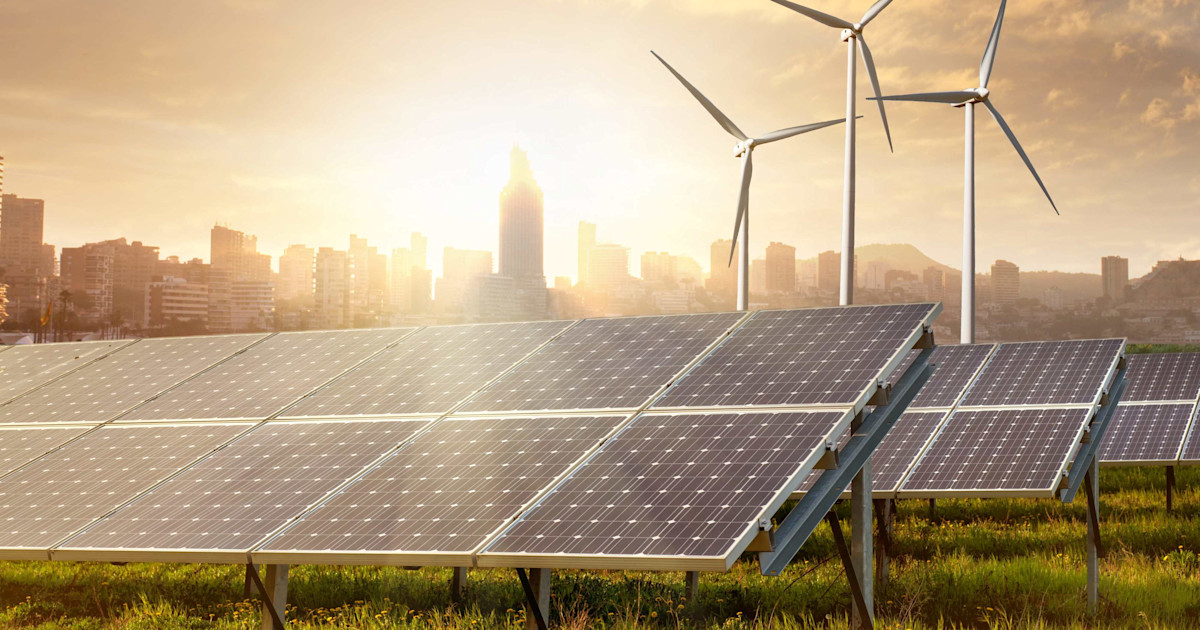
Terabase Energy, a company specializing in solar technology, announced on Thursday that it has raised $130 million in funding, led by SoftBank, to scale its operations and expand the deployment of its solar technology for large projects. This funding round is the largest in the company’s history, bringing its total funding to $200 million. While the company did not disclose its valuation during this round, the investment highlights strong investor confidence in its future.

Despite solar and energy storage accounting for 84% of new electricity generation capacity added to the U.S. power grid in 2024, the sector is facing challenges due to new U.S. energy policies that continue to support fossil fuels. Additionally, venture funding in the U.S. has been relatively quiet in early 2025, with a few AI-focused companies capturing most of the spotlight.

Terabase Energy’s platform collaborates with solar power plant developers, engineers, and construction firms, streamlining processes through workflow digitalization and automation. The company plans to use part of its new funding to enhance its robotics-assisted assembly line, Terafab, designed to alleviate “bottlenecks in construction speed and workforce limitations.”

In addition, Terabase operates PlantPredict, a solar modeling software, and Construct, a construction management platform. Kentaro Matsui, managing partner at SoftBank Global Advisers, highlighted that the surge in energy demand, particularly from AI data centers, underscores the need for scalable and sustainable solutions.

SoftBank, which is known for financing early-stage technology companies, also supported Terabase through its Vision Fund 2. Other existing investors in the company include Breakthrough Energy Ventures, Fifth Wall, SJF Ventures, and EDP Ventures.

Acadia and Microsoft Spearhead $9 Billion U.S. Renewables Roll-Out

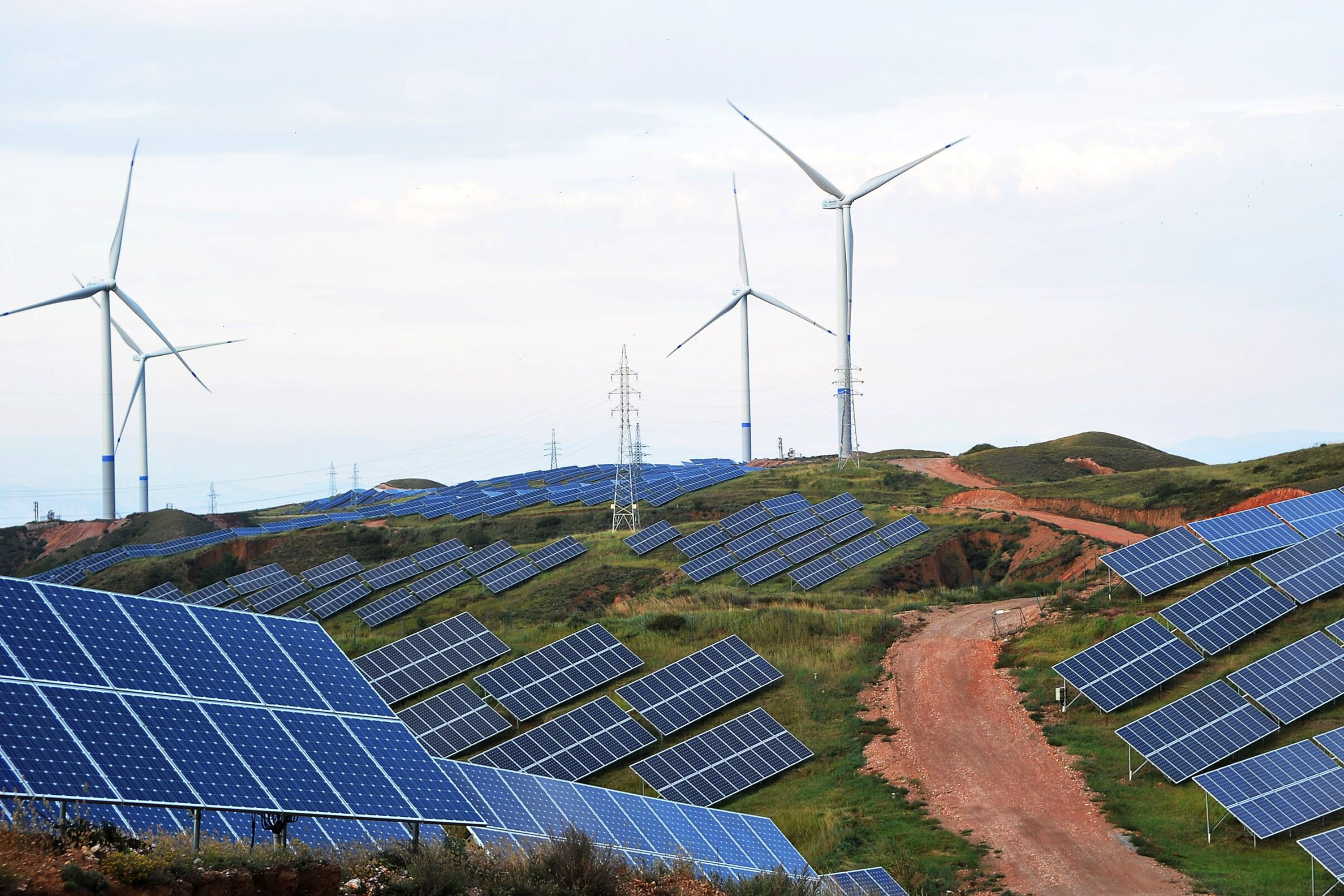
Acadia Infrastructure Capital, a U.S. investor, has teamed up with corporations including Microsoft to launch the Climate and Communities Investment Coalition (CCIC), aiming to develop a $9 billion pipeline of renewable energy projects across the United States. According to Acadia Vice President Brian O’Callaghan, the initiative will accelerate the deployment of corporate-led renewable energy projects while delivering tangible benefits to local communities.

The coalition plans to build approximately 5 gigawatts of renewable energy capacity over the next five years. Beyond expanding clean energy infrastructure, the initiative is designed to provide socio-economic benefits, such as:

  • Making clean energy more accessible to low- and middle-income households at reduced prices.
  • Hiring local workers for project development.
  • Supporting contractors with diverse ownership.

ACCELERATING CORPORATE RENEWABLE ENERGY INVESTMENT

With falling costs already driving the adoption of renewable energy, the CCIC aims to exponentially increase the pace of deployment by attracting corporate financing. Many companies seek to meet environmental targets or acquire Renewable Energy Certificates (RECs) tied to these projects.

RECs are highly sought after for companies aiming to green their power supply or offset emissions in their supply chains. “Renewable energy will continue to expand without corporations. With corporations, the pace becomes exponential,” said O’Callaghan. He added that corporate investments would act as a magnet for additional funding from other stakeholders.


FLAGSHIP PROJECTS AND CORPORATE BACKING

The coalition’s first project involved securing financing for a 210-megawatt solar plant in collaboration with Matrix Renewables, with Microsoft playing a significant role. Danielle Decatur, Director of Environmental Justice at Microsoft, noted that the program aligns with the company’s sustainability goals through “high-quality renewable energy procurement.”

In addition to facilitating renewable energy deployment, the coalition emphasizes community-focused outcomes. Yinka Bode-George, CEO of the non-profit Sustain Our Future Foundation, stated that the program would ensure “meaningful, lasting benefits to community stakeholders.”

Uzbekistan Turns to Electric Vehicles in Its Push for Green Energy Transition

Uzbekistan, Central Asia’s most populous country, is taking bold steps to reduce its carbon emissions and shift towards a greener economy, with electric vehicles (EVs) playing a pivotal role in this transition. Historically dependent on fossil fuels for electricity, Uzbekistan has been ranked as one of the world’s most carbon-intensive economies by the World Bank. To combat this, the nation has introduced significant measures to encourage the adoption of EVs as part of a broader green growth strategy.

In a bid to make electric and hybrid cars more affordable, Uzbekistan eliminated excise and customs duties on these vehicles five years ago. This move slashed prices by as much as 50%, according to estimates, leading to a surge in EV sales. Over the past three years, sales of electric cars have grown tenfold, reflecting the country’s increasing commitment to green energy.

For consumers like Timur Chutbaev, a project manager based in Tashkent, the lower prices were a strong incentive to invest in an electric car. Chutbaev explained that powering his EV is far cheaper than using diesel or gasoline vehicles, given Uzbekistan’s government-subsidized electricity rates. Charging his car at home costs him just $5 for 500 kilometers (310 miles) of driving, making EV ownership both economically and environmentally attractive.

Although EVs currently account for a small share of the market, their numbers are rising. In 2022, 25,000 electric vehicles were sold out of a total of 1.7 million car sales. Chinese EV giant BYD, which dominates Uzbekistan’s imports, has further entrenched its presence by opening a plant in the Jizzakh region. With an annual capacity of 50,000 plug-in hybrids, the facility marks BYD’s first venture outside of China and is expected to serve the broader Central Asian market.

Picture background

However, the rise of EVs in Uzbekistan would not have been possible without investments in infrastructure. Alexander Abdullaev, CEO of local EV dealership Megawatt Motors, recalls the initial challenges of selling electric vehicles without an adequate network of charging stations. To promote EV adoption, his company built several charging points across Tashkent and surrounding regions and offered free charging services for two years. Today, hundreds of charging stations operate throughout the country, helping EVs become more accessible.

Despite the progress, Uzbekistan faces challenges in meeting its ambitious climate targets. By 2030, the country aims to reduce its emissions per unit of GDP by one-third from 2010 levels. While increasing the number of EVs on the road is a crucial step, it will not be enough on its own. The electricity grid that powers these vehicles is still primarily fueled by natural gas, a fossil fuel. In 2021, over 80% of the nation’s electricity came from gas, which significantly contributes to global warming.

Uzbekistan is actively investing in renewable energy to address this issue. Over the past five years, the country has boosted its renewable energy mix from 12% to 20%, with growing interest in hydropower and solar technology. David Knight, the World Bank’s lead country economist for Central Asia, emphasized that improving energy efficiency and reducing emissions are critical for Uzbekistan as its economy rapidly expands.

For now, demand for EVs remains strong, and Megawatt Motors is expanding its operations by training salespeople to cater to this burgeoning market. Abdullaev believes that Uzbekistan’s established automobile industry, which began in 1995, provides a solid foundation for producing homegrown electric vehicles in the near future. With the country’s green energy transition in full swing, Abdullaev is optimistic: “Anything is possible.”