Yazılar

Renewables stocks surge as investor inflows return and power demand outlook brightens

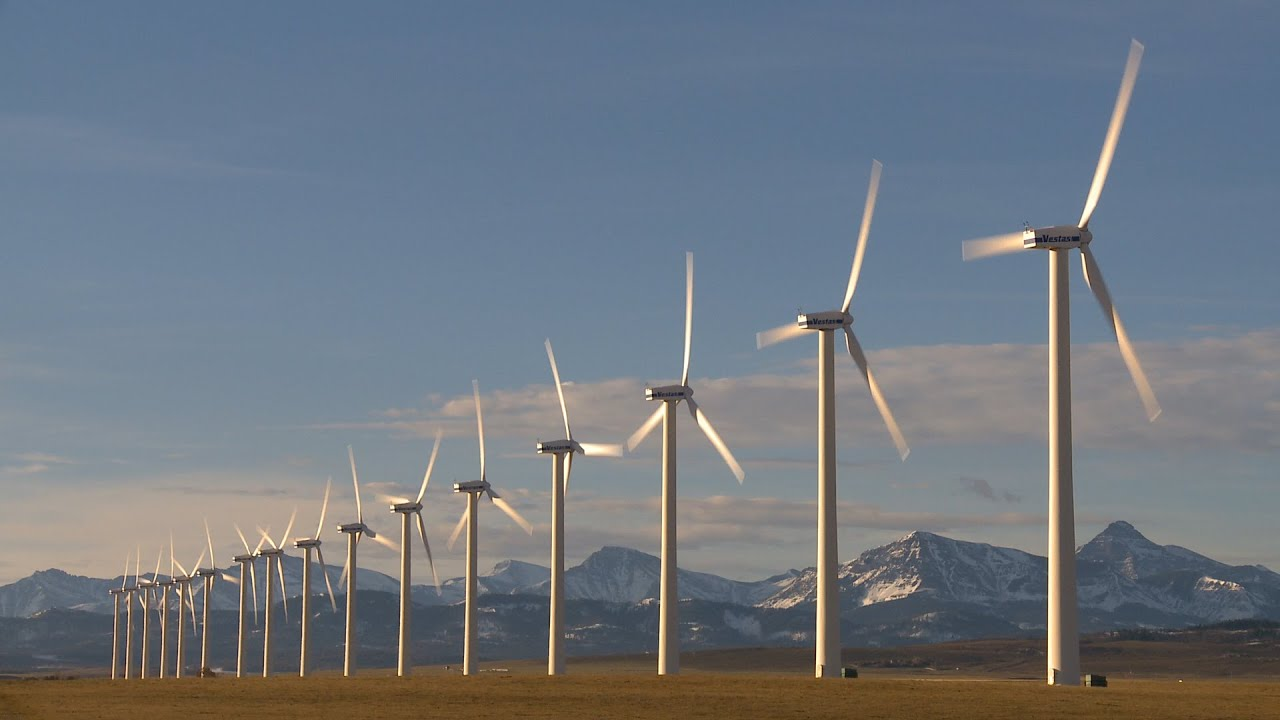
After two years in decline, renewable energy stocks are staging a strong comeback, driven by renewed investor inflows and a powerful shift in global electricity demand. The sector has posted its best quarterly performance since 2020, as confidence returns amid clearer U.S. policy direction and soaring energy needs from AI data centers and electrification.

Data from Lipper shows alternative energy funds attracted nearly $800 million in September, their biggest monthly inflow since April 2022, while Morningstar reports fund outflows have dropped to their lowest in over a year. The MSCI Global Alternative Energy Index rose 17% in the third quarter, doubling the broader market’s gains.

BlackRock’s Alastair Bishop said valuations had become so depressed that even negative policy news turned into a “positive catalyst,” helping investors refocus on fundamentals. Similarly, Robeco’s Roman Boner said inflows into the firm’s clean-energy strategies have resumed.

The rally has been powered by Big Tech’s AI-fueled data center boom, accelerating electrification of transport and industry, and upgrades to grid infrastructure. U.S. power consumption, flat for a decade, is now expected to surge, with solar-plus-storage emerging as the fastest way to meet demand. “Every electron counts,” Boner said.

Private equity is also reentering the space, with Global Infrastructure Partners reportedly in talks to acquire AES Corp. Analysts say renewable stocks still trade at a 40% discount to global equities, leaving room for upside as earnings momentum builds.

Despite risks from higher interest rates and political shifts, managers believe the rally could persist as short positions unwind and clean-energy earnings recover.

Jeff Bezos Envisions Gigawatt-Scale Data Centres in Space Within Two Decades

Amazon founder Jeff Bezos says it’s only a matter of time before humanity builds massive data centres in orbit, powered by continuous solar energy and free from Earth’s environmental constraints. Speaking at Italian Tech Week in Turin, Bezos predicted that gigawatt-scale orbital data hubs could become a reality within the next 10 to 20 years, eventually surpassing their terrestrial counterparts in efficiency and cost.

“These giant training clusters—those will be better built in space,” Bezos said during a conversation with Ferrari and Stellantis Chairman John Elkann. “We have solar power there 24/7—no clouds, no rain, no weather. We will be able to beat the cost of terrestrial data centres in space in the next couple of decades.”

The idea of space-based computing infrastructure is gaining traction among tech firms as AI-driven demand for electricity, cooling, and server capacity skyrockets on Earth. Conventional data centres are now among the world’s largest industrial consumers of energy and water, fueling the search for sustainable alternatives.

Bezos described orbital data centres as a natural next step in the broader trend of using space to improve life on Earth, noting that satellites already manage weather forecasting, communications, and navigation. “The next step is data centres, then other kinds of manufacturing,” he said.

However, the vision faces formidable obstacles: high launch costs, maintenance difficulties, and the risk of mission failures in space. Frequent upgrades—a routine part of Earth-based data infrastructure—would be far more complicated in orbit.

Beyond technology, Bezos framed the discussion within a broader narrative about AI and societal transformation. Drawing parallels between today’s artificial intelligence boom and the dot-com bubble of the early 2000s, he urged optimism despite speculative excess.

“We should be extremely optimistic that the societal and beneficial consequences of AI—like we had with the internet 25 years ago—are for real and there to stay,” he said. “It’s important to separate potential bubbles from the actual underlying reality.”

Bezos emphasized that AI’s impact will be “broadly diffused” across industries and societies, suggesting that the technology’s true promise lies not in isolated breakthroughs but in its global, everyday applications.

His comments add weight to the emerging idea that space infrastructure could become the next great frontier of the digital economy, where data, energy, and AI converge far above Earth’s atmosphere.

Rogue Communication Devices Found in Chinese Solar Inverters Spark Global Security Alarm

U.S. energy officials are reevaluating the national security risks posed by Chinese-made power inverters after uncovering unexplained communication components inside devices used in critical infrastructure across the U.S., according to multiple sources with knowledge of the matter.

These undocumented modules, such as cellular radios, were discovered in inverters and batteries produced by Chinese manufacturers, raising concerns that firewalls could be bypassed, allowing remote manipulation or shutdowns of energy systems — with potentially catastrophic consequences for power grids.

That effectively means there is a built-in way to physically destroy the grid,” one expert warned.

What Are Inverters and Why This Matters

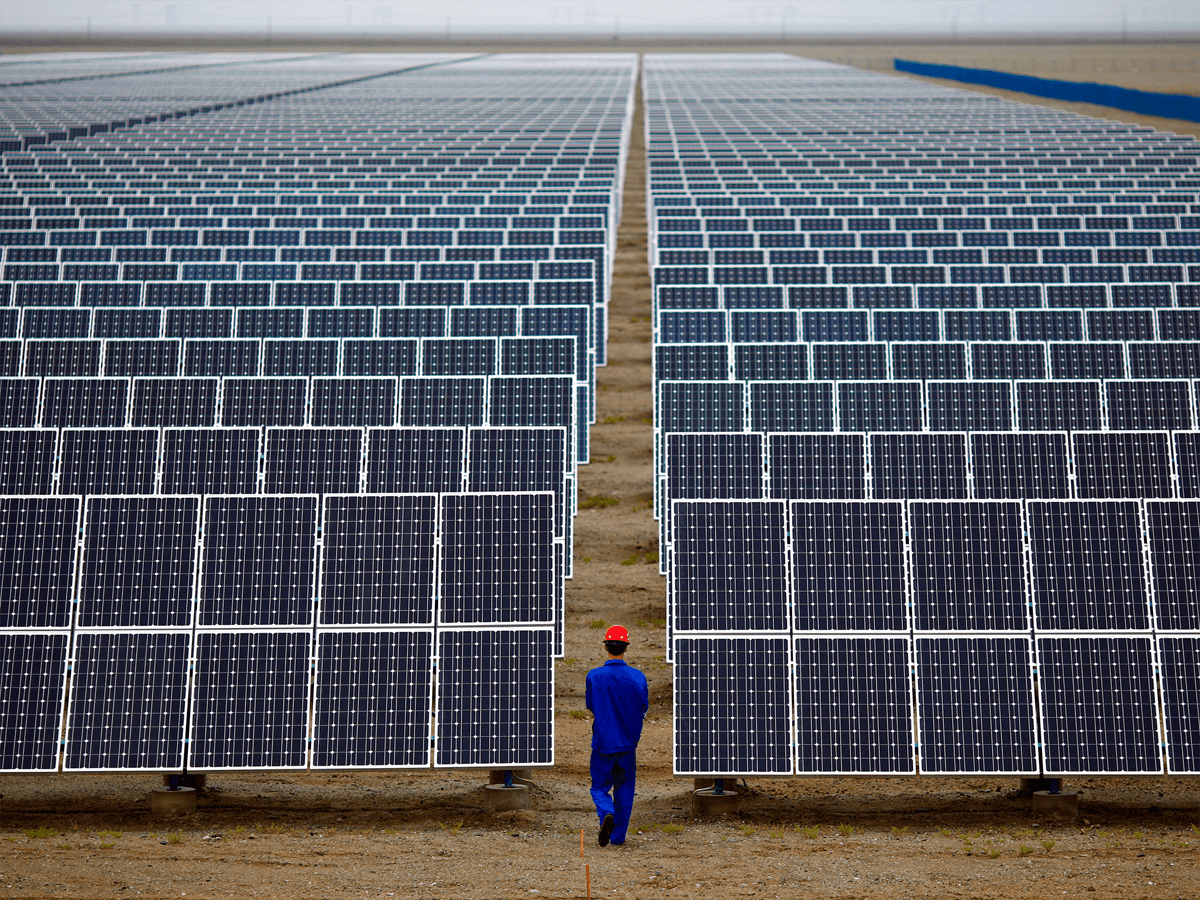
Inverters are vital for connecting solar panels, batteries, heat pumps, and EV chargers to the power grid. Most are produced in China and designed to allow remote updates, but are expected to be firewalled from foreign access. The recent discovery, however, suggests that some Chinese models include hidden communications hardware, not disclosed in product documentation.

Implications for National Security and Grid Stability

  • Disruption risk: Experts warn that coordinated manipulation of these devices could trigger blackouts, grid damage, or widespread energy instability.

  • Huawei, the world’s leading inverter manufacturer, left the U.S. market in 2019 but dominates globally, especially in Europe.

  • Over 200 GW of European solar power is linked to Chinese inverters, equivalent to more than 200 nuclear plants.

If you remotely control a large enough number of home solar inverters… that could have catastrophic implications,” said Uri Sadot of SolarEdge.

Government and Industry Response

  • The U.S. Department of Energy (DOE) acknowledged the challenge of ensuring manufacturers disclose full functionality. It is working to enhance transparency via Software Bill of Materials (SBOM) policies and contractual safeguards.

  • The U.S. Senate is considering the Decoupling from Foreign Adversarial Battery Dependence Act, targeting Chinese firms like CATL, BYD, Envision Energy, and others from 2027 onward.

  • Utilities such as Florida Power & Light are already seeking to reduce their reliance on Chinese inverter components.

  • Lithuania, Estonia, and Britain have also begun reassessing or restricting the use of Chinese inverters, with NATO warning that China’s influence over infrastructure is a growing threat.

The CCP stops at nothing to target our sensitive infrastructure,” said U.S. Representative August Pfluger.

Recent Incidents and Commercial Fallout

  • In November 2024, some inverters were reportedly disabled remotely from China, triggering internal industry disputes and heightened U.S. government scrutiny.

  • A commercial conflict between Sol-Ark and Deye ensued, with Sol-Ark confirming it had no control over affected devices not bearing its brand.

  • Chinese firms Huawei, Deye, and others declined to comment.

As the solar and renewable energy sector expands, experts are calling for urgent reforms to ensure hardware used in critical infrastructure is trusted, secure, and transparentechoing the regulatory efforts already in place in sectors like telecom and semiconductors.