Yazılar

ISRO Successfully Germinates Cowpea Seeds in Space: Key Details Revealed

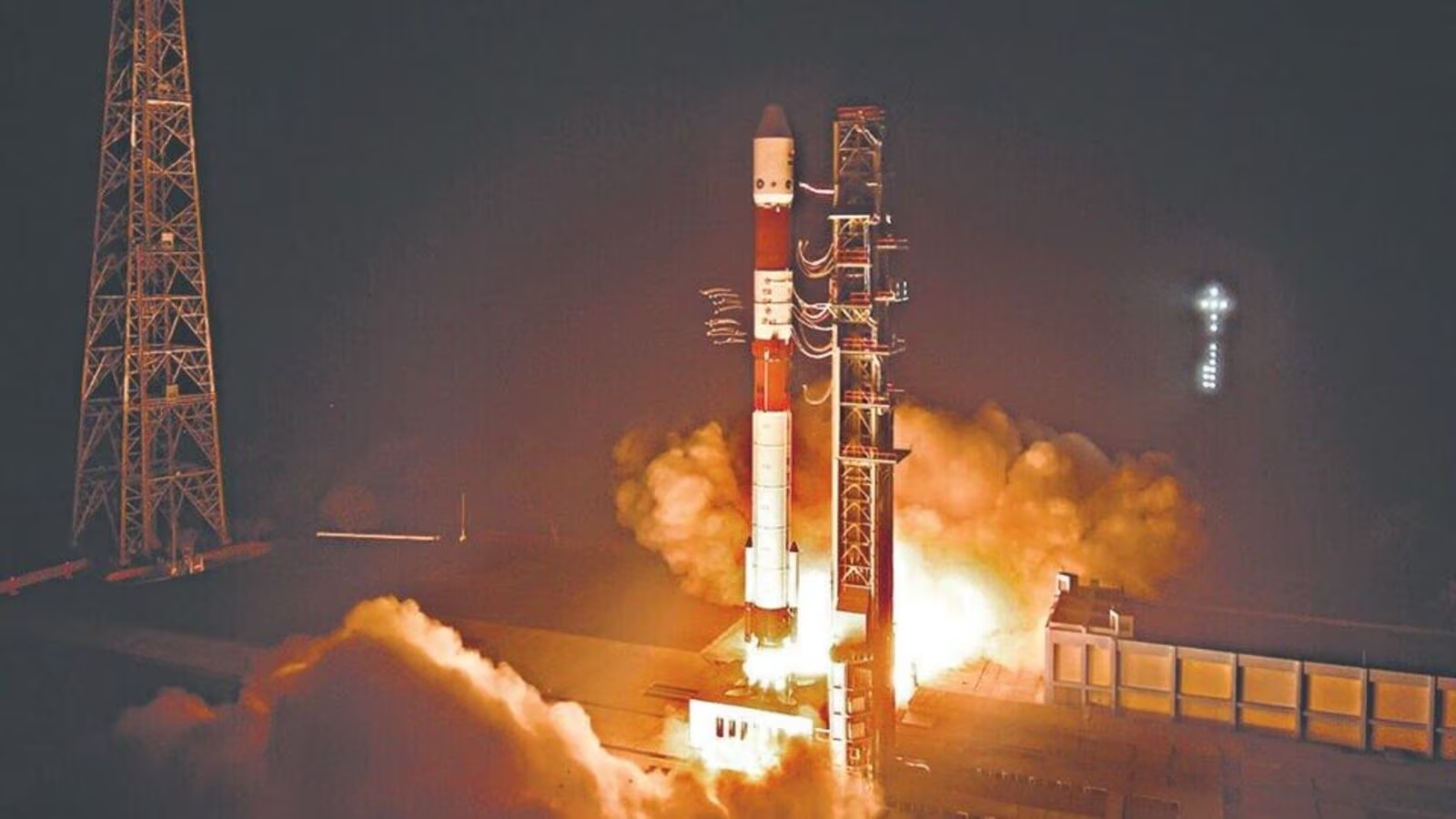
The Indian Space Research Organisation (ISRO) has achieved a significant milestone with the successful germination of cowpea seeds in space. The seeds, launched aboard the PSLV-C60 on December 30, were part of the POEM-4 platform’s mission to study plant growth under microgravity conditions. Within just four days of the launch, the seeds showed signs of germination, marking a key step in exploring sustainable agricultural practices for long-term space exploration. This breakthrough is expected to play a crucial role in developing life support systems that could sustain human life during extended missions in outer space.

The experiment, known as the Compact Research Module for Orbital Plant Studies (CROPS), was conducted by the Vikram Sarabhai Space Centre (VSSC). The CROPS initiative successfully germinated eight cowpea seeds in a carefully controlled environment aboard the PSLV-C60’s platform. Early-stage growth has already been observed, and ISRO officials are optimistic that leaves will begin to emerge soon. The experiment not only demonstrates the feasibility of growing plants in space but also contributes to the broader understanding of how plants can thrive in microgravity environments.

The PSLV-C60 mission, which launched on December 30, was pivotal in advancing space research. The rocket successfully placed two SpaDeX satellites into orbit and carried 24 onboard experiments, including the CROPS initiative. The fourth stage of the PSLV-C60, equipped with the POEM-4 platform, is currently orbiting Earth at an altitude of 350 km, providing a stable environment for scientific research. This experiment is part of ongoing efforts by ISRO to explore the potential for sustainable plant growth in space, an area that is critical for the future of space exploration and habitation.

As part of a larger global effort to make long-duration space missions more feasible, ISRO’s successful cowpea seed germination is a promising step forward. Understanding how plants grow in microgravity could help address the challenges of providing food for astronauts during extended space missions, particularly on missions to the Moon or Mars. This achievement could pave the way for future experiments aimed at improving the viability of space agriculture, ultimately ensuring astronauts have the resources needed to sustain themselves during deep space exploration.
New Discovery of PDS 70b’s Unusual Chemistry Shakes Up Planet Formation Theories

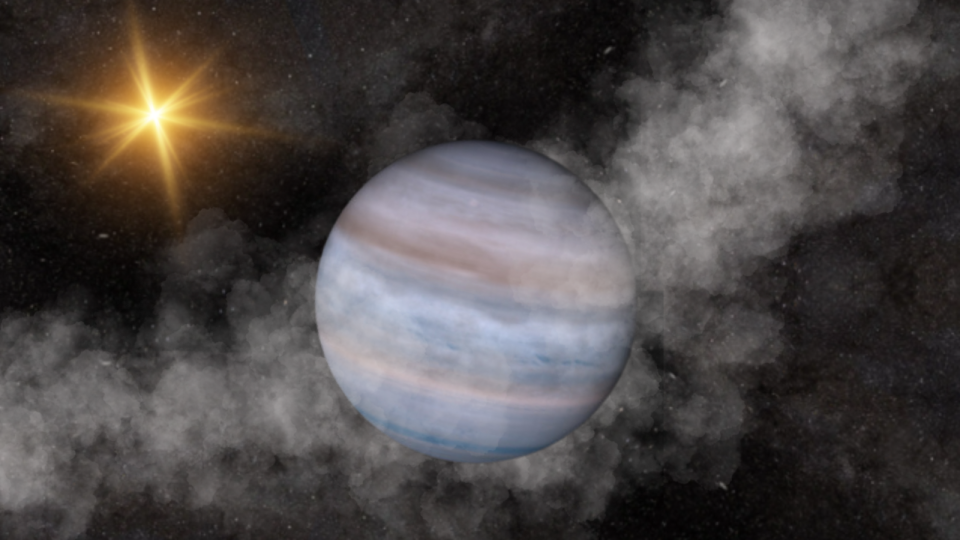
Recent research on PDS 70b, a young exoplanet situated about 400 light-years away in the Centaurus constellation, has prompted a reevaluation of our current understanding of planet formation. In a study published in Astrophysical Journal Letters, astronomers discovered a significant chemical mismatch between the planet’s atmosphere and the protoplanetary disk it formed from. This finding challenges the conventional models of how planets develop their mass and chemical composition over time, suggesting that our theories may need substantial revision.

PDS 70b, a gas giant nearly three times the size of Jupiter, resides in a two-planet system orbiting its host star at a distance comparable to Uranus’s orbit in our solar system. Researchers believe the planet has been in the process of accumulating material for around 5 million years, possibly nearing the final stages of its formation. Observations made with the Keck II telescope in Hawaii allowed scientists to analyze the planet’s atmosphere, looking for key elements like carbon monoxide and water vapor. These elements are vital in determining the planet’s chemical makeup and provide insights into how it came to be.

The research revealed a surprising discrepancy in the levels of carbon and oxygen in PDS 70b’s atmosphere, which were significantly lower than what current models would predict. This unexpected result has led to questions about the accuracy of existing theories. Dr. Chih-Chun Hsu, a postdoctoral researcher at Northwestern University and the study’s lead author, emphasized that the findings suggest the existing models might be oversimplified, overlooking crucial factors in planetary formation processes.

The discrepancy in PDS 70b’s chemical composition could have broad implications for the field of planetary science. It challenges the way scientists understand the processes that govern planet formation, particularly the mechanisms by which a planet gathers and incorporates elements from its surrounding environment. This new research opens up exciting possibilities for future investigations into planetary systems, especially those that are still in the early stages of development, and could lead to revised models that better account for the complexities of planet formation.

Elon Musk’s Mars Settlement Plan Faces Reality Check in New Book

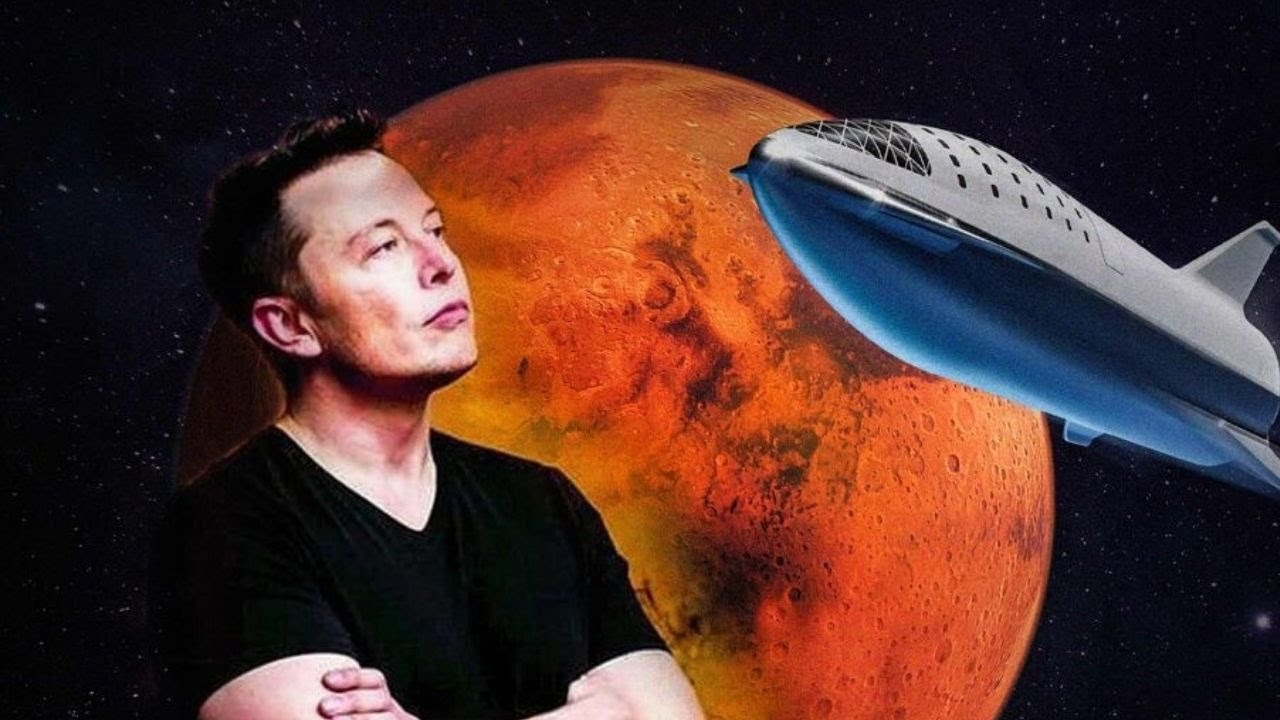
While Elon Musk’s goal of settling Mars within the next 30 years has sparked excitement about humanity’s future as a multiplanetary species, a new book casts serious doubts on the feasibility of such a vision. In A City on Mars: Can We Settle Space, Should We Settle Space, and Have We Really Thought This Through?, authors Kelly and Zach Weinersmith argue that settling the red planet is far more challenging—and dangerous—than many realize.

The Weinersmiths, a biologist and a cartoonist, explore the myriad obstacles humans would face in establishing a sustainable presence on Mars, from environmental dangers to the complexities of human reproduction. Their research, which led to their skepticism about space colonization, earned their book the 2024 Royal Society Trivedi Science Book Prize.

Initially intrigued by the possibility of space settlements, the authors delved into the harsh realities of Martian living. Kelly Weinersmith explains, “We were pretty excited about space settlement happening… but the more we got into it, we realized there’s a lot we don’t know—and doing this too soon could lead to an ethical catastrophe.”

The Harsh Reality of Mars

The book argues that the idea of leaving Earth for Mars is akin to escaping a messy room only to end up in a toxic waste dump. The Martian environment, with its weak gravity, extreme radiation, thin atmosphere, and toxic soil, poses significant threats to human life. “Mars just lacks a lot of the stuff that we have on Earth,” says Zach Weinersmith, noting the planet’s hostile conditions, including a 40% gravity compared to Earth, high radiation levels, and perchlorate-laden soil, which could disrupt human health and development.

The authors are particularly concerned about human reproduction on Mars. With limited data on how humans will respond to Mars’ conditions, the risks for pregnant women and babies could be catastrophic. Studies from space stations suggest that microgravity weakens bones and muscles, which would worsen on Mars, where gravity is only 38% of Earth’s. Kelly Weinersmith points out that even a slight bone loss could prove fatal during childbirth, emphasizing the need for more research into reproduction in space.

Slow, Steady Progress for Research

While the Weinersmiths are not dismissive of space exploration, they argue that short-term colonization is impractical. Instead, they see potential for incremental progress, such as setting up research stations on the Moon and conducting experiments on animal life in space. The authors predict that in the near term, humans may land on Mars, conduct scientific exploration, and return to Earth, but permanent settlements and reproduction will remain out of reach for now.

The biggest challenges lie in sustaining life on Mars. Technologies to build space farms, establish safe habitats, and produce oxygen in closed-loop systems are still underdeveloped. “We don’t really know how to do that,” says Zach Weinersmith, highlighting the immense research needed for survival in such a sealed, extreme environment.

Ethical and Geopolitical Concerns

The Weinersmiths also raise significant ethical and geopolitical issues. The Outer Space Treaty of 1967, which governs activities in space, provides little guidance on issues like resource extraction and territorial claims on Mars. This ambiguity could lead to international tensions, particularly between space powers like the United States and China, as they race to control valuable sites on Mars and other celestial bodies.

A Reality Check on Space Settlements

Ultimately, A City on Mars presents a cautionary tale about the complexities of interplanetary settlement. While space exploration holds tremendous potential for scientific advancement, the authors argue that the dream of colonizing Mars in the immediate future is a dangerous and unrealistic venture. Their book calls for a more measured approach, emphasizing research, ethical considerations, and long-term planning over the rush to claim Mars as humanity’s second home.