Yazılar

NASA and JAXA’s XRISM Mission Collects In-Depth Data from X-Ray Emitting Wolf-Rayet Star

XRISM Mission Delivers Breakthrough Data on Cygnus X-3’s X-Ray Emissions
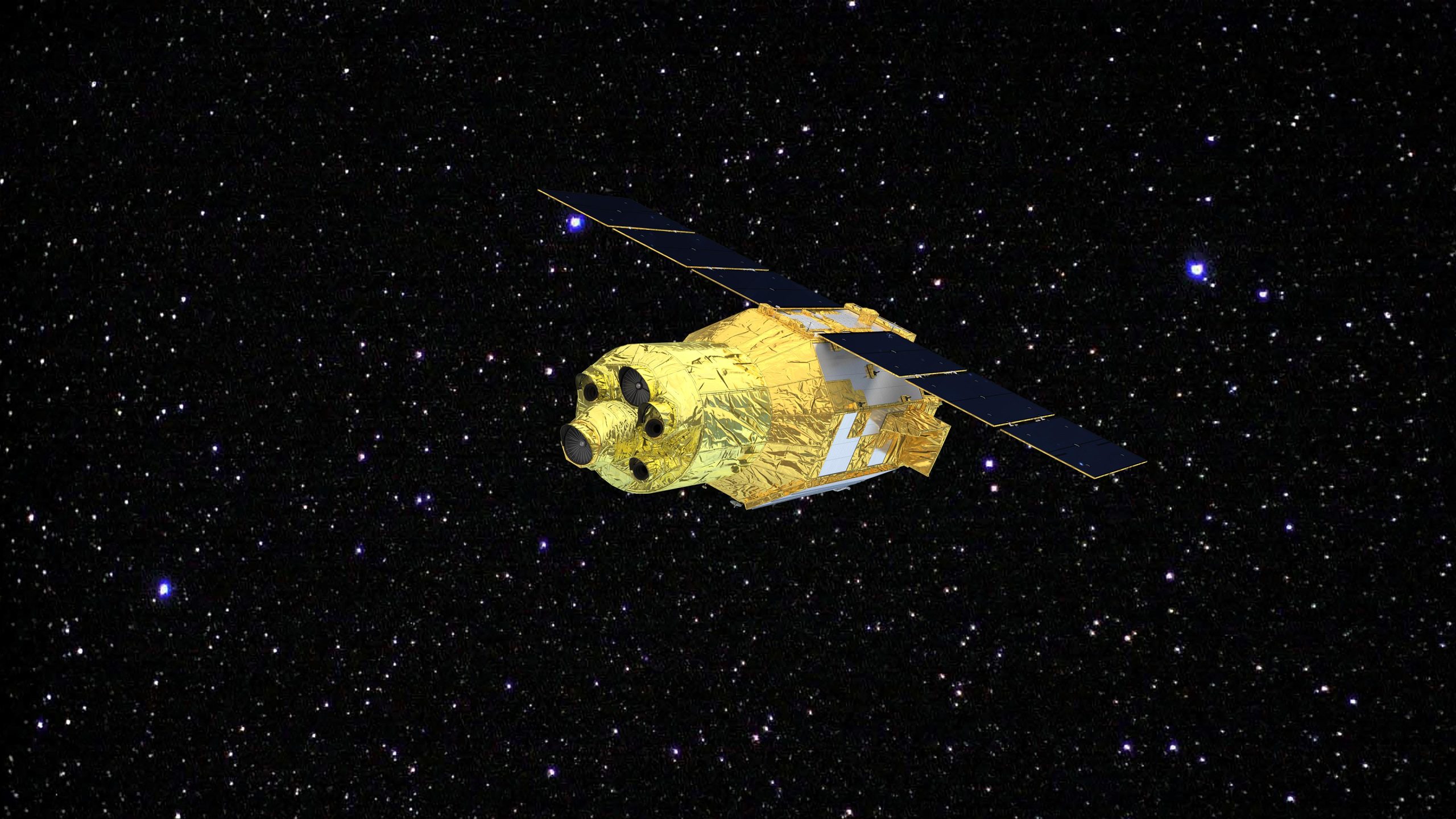
The XRISM (X-ray Imaging and Spectroscopy Mission), a collaboration led by Japan’s JAXA with support from NASA, has delivered a groundbreaking analysis of the Cygnus X-3 stellar system. Known for its distinctive characteristics, Cygnus X-3 consists of a high-mass Wolf-Rayet star and a likely black hole. Using advanced X-ray imaging and spectroscopy, XRISM has provided the clearest and most detailed observations of the energetic gas flows within this complex system, offering new insights into the physics of X-ray emissions and stellar interactions.

Cygnus X-3: A Unique Binary System
Cygnus X-3 is one of the most studied objects in the field of X-ray astronomy due to its fascinating composition. The system features a Wolf-Rayet star, known for its intense stellar winds, which release gas at extraordinary speeds, creating an environment ripe for studying high-energy processes. This unique binary system, with its potential black hole companion, provides astronomers with a rare opportunity to study the interactions between massive stars and compact objects like black holes. XRISM’s observations have significantly enhanced our understanding of these energetic phenomena.

The Role of the Wolf-Rayet Star
Ralf Ballhausen, a postdoctoral associate at the University of Maryland and NASA’s Goddard Space Flight Center, emphasized the crucial role of the Wolf-Rayet star in the system. Its powerful stellar winds not only contribute to the gas flows observed by XRISM but also influence the surrounding environment, including the behavior of the potential black hole. These strong winds push gas outward, creating shockwaves that can be detected in the X-ray spectrum. Understanding this star’s behavior and the dynamics of its winds is key to unraveling the broader mysteries of the system.

XRISM’s Contribution to Stellar Research
With the data collected from Cygnus X-3, XRISM is significantly advancing our knowledge of high-energy astrophysics. The mission’s ability to capture detailed X-ray spectra allows astronomers to study the interaction between the stellar components in unprecedented detail. These findings provide valuable clues about the evolution of massive stars and their relationship with companion objects like black holes. As XRISM continues to observe other celestial bodies, its contributions will shape the future of X-ray astronomy and deepen our understanding of the universe’s most energetic phenomena.
Rise in Solar Activity Leads to Reduced Lifespan of Binar CubeSats

Surge in Solar Activity Cuts Short Lifespan of Binar CubeSats
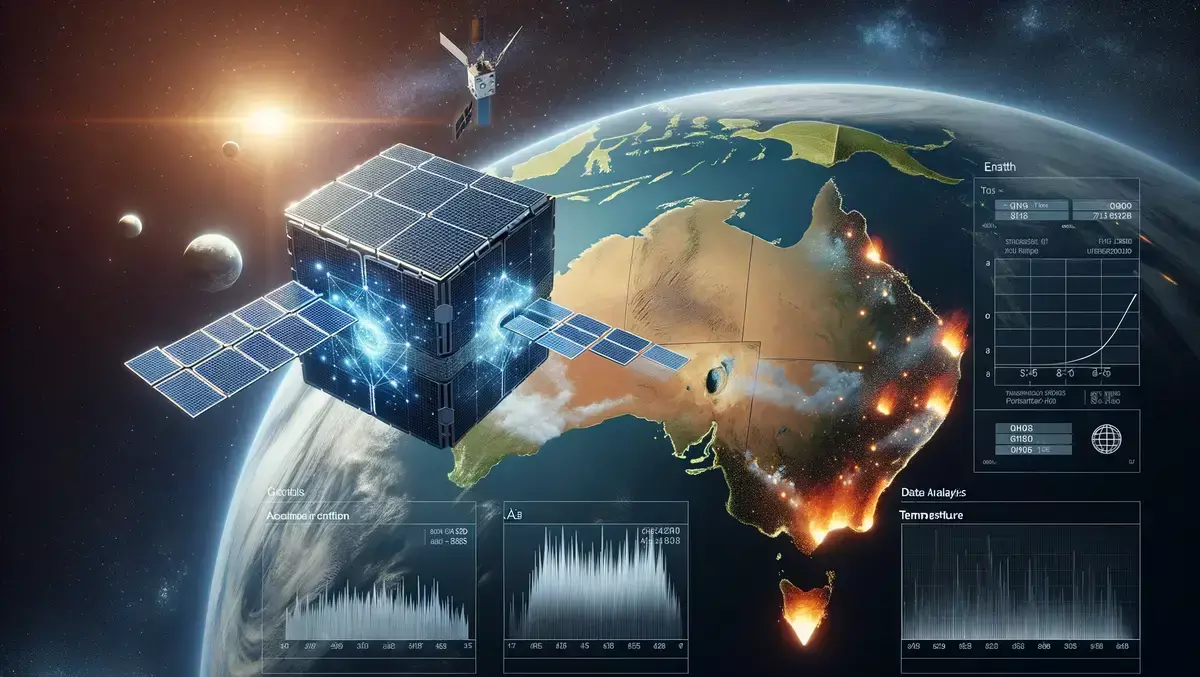
Three small satellites from Curtin University’s Binar Space Program re-entered Earth’s atmosphere far earlier than anticipated, prematurely ending their research missions. The CubeSats—Binar-2, Binar-3, and Binar-4—were designed with an initial lifespan of six months but only lasted two months in low Earth orbit (LEO). This early re-entry is attributed to a surge in solar activity that intensified conditions in space and affected satellite operations in ways that were not fully predicted.

Unprecedented Solar Activity Surpasses Predictions
Solar activity recently spiked, surpassing predictions by a significant margin, according to a Live Science report. The intensity of solar flares, sunspots, and solar wind has been about one and a half times higher than expected for Solar Cycle 25. This increase in solar activity is linked to the Sun’s 11-year magnetic field reversal, which influences space weather patterns. Despite advances in understanding solar cycles, forecasting solar weather remains difficult, making it challenging for satellite operators to predict the effects of these surges on space-based technology.

Impact of Solar Weather on Space Operations
The heightened solar activity has had a noticeable impact on space operations. On Earth, it has resulted in more vivid auroras visible closer to the equator, and the increased solar wind has contributed to higher levels of ionizing radiation, posing risks for astronauts and high-altitude flights. For satellites in low Earth orbit, particularly those like the Binar CubeSats without thrusters or altitude control systems, the solar wind creates additional drag, hastening orbital decay. These factors significantly shorten the operational lifespan of satellites in LEO during periods of high solar activity.

Challenges in Satellite Longevity and Space Weather Monitoring
The premature demise of the Binar CubeSats underscores the challenges posed by unpredictable space weather, particularly during solar cycle peaks. While satellites in LEO are more vulnerable to such conditions, the lack of reliable forecasting tools makes it difficult to fully prepare for or mitigate these effects. As solar activity continues to intensify, there is a growing need for advanced space weather forecasting and better shielding technologies to protect satellites, ensuring longer mission durations and more successful research outcomes.

ISS Crew Senses Toxic Odor from Russian Cargo Spacecraft, Safety Protocols Initiated

ISS Crew Responds to Toxic Smell from Russian Cargo Spacecraft, Safety Measures Activated
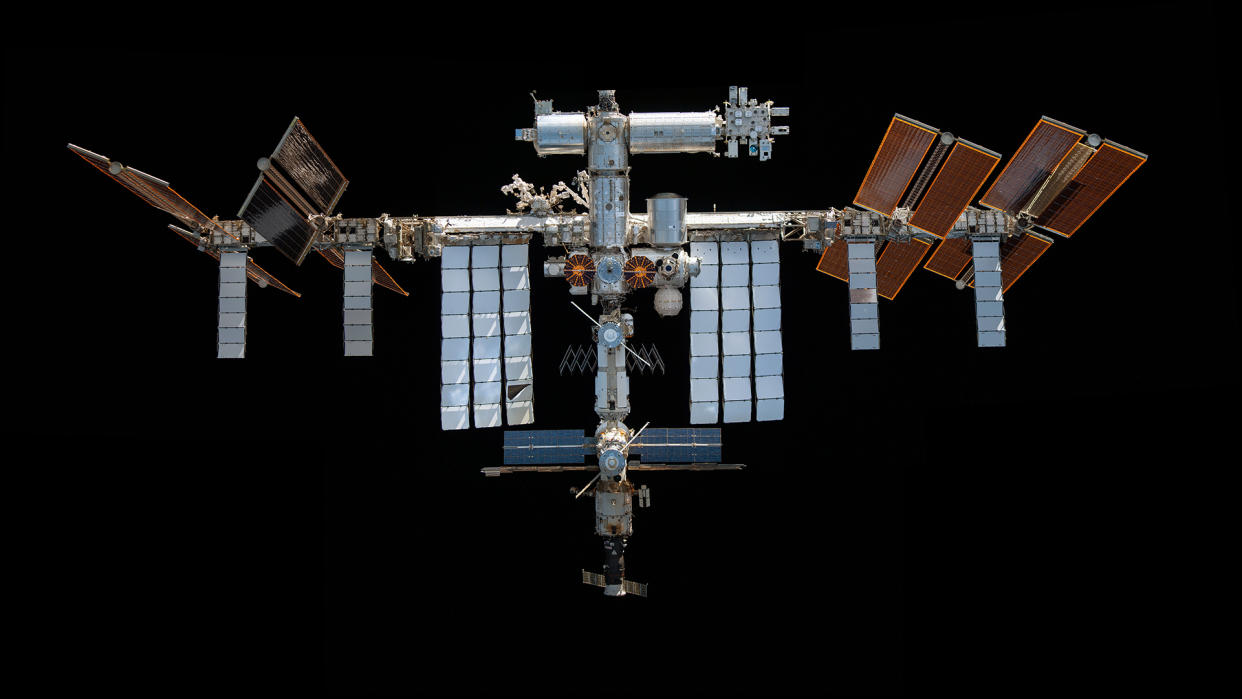
A recent incident aboard the International Space Station (ISS) raised alarms when the crew detected an unusual smell upon opening the hatch of the Russian Progress MS-29 cargo spacecraft. The spacecraft, which had successfully docked to the Poisk module, was found to emit an unexpected odor and small droplets, prompting immediate safety protocols. The crew acted swiftly to contain the affected area, ensuring the health and safety of all personnel aboard the station.

Containment and Investigation
According to a tweet from the official ISS account, the odor was described by NASA astronaut Don Pettit as “reminiscent of spray paint.” This raised concerns that the smell could indicate contamination within the Russian segment of the station. As the crew investigated further, they decided to close off the area around the spacecraft and take necessary precautions to prevent any harmful exposure. The detection of visible droplets in the spacecraft added to the urgency of the situation.

Safety Protocols and Air Purification
In response to the potential contamination, NASA and Roscosmos activated air purification systems to mitigate any risks. The American segment of the ISS deployed its Trace Contaminant Control Subassembly (TCCS), while additional filtration systems in the Russian module worked to restore air quality. The ISS team also ensured that all crew members were equipped with personal protective equipment (PPE) to safeguard them from any potential toxins or irritants in the environment.

Ongoing Monitoring and Return to Normal Operations
While the exact source of the odor remains under investigation, the situation was quickly brought under control, with air quality returning to safe levels. NASA and Roscosmos will continue to monitor the environment aboard the ISS to prevent any further issues. This incident highlights the rigorous safety measures in place to protect astronauts while operating in the unique and challenging conditions of space.