Yazılar

SpaceX Postpones Historic Private Spacewalk Mission Due to Weather

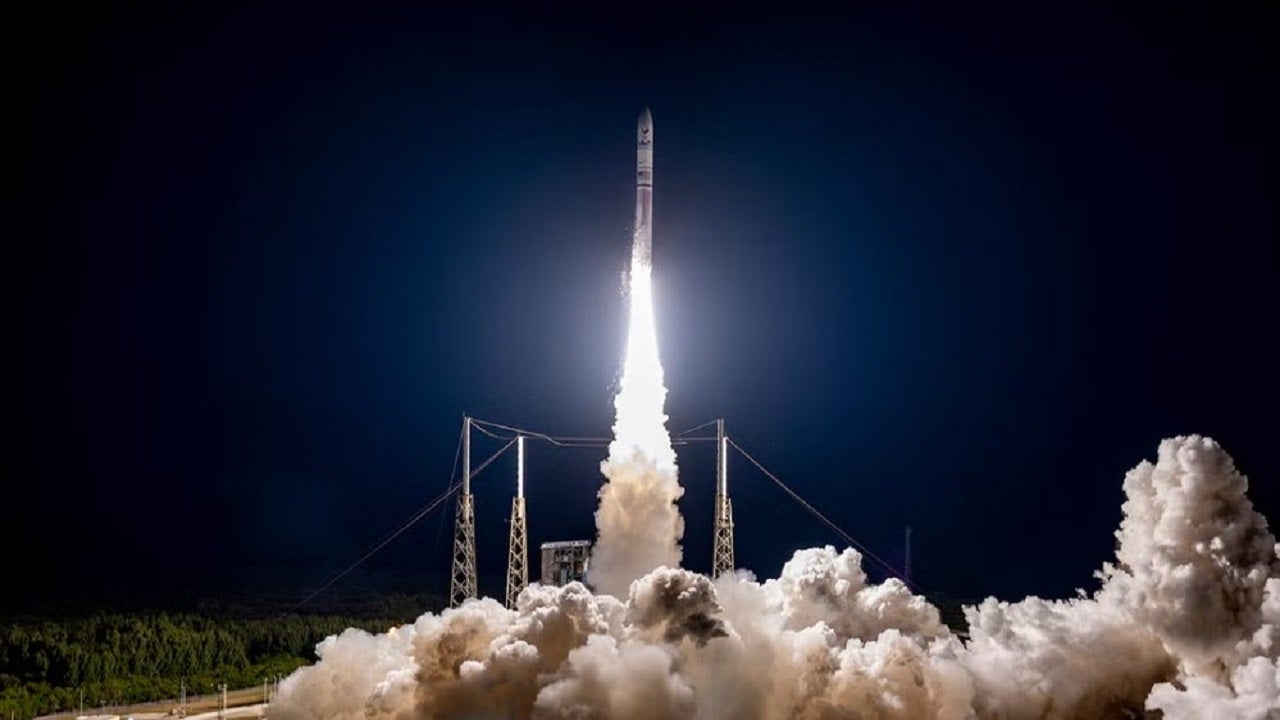
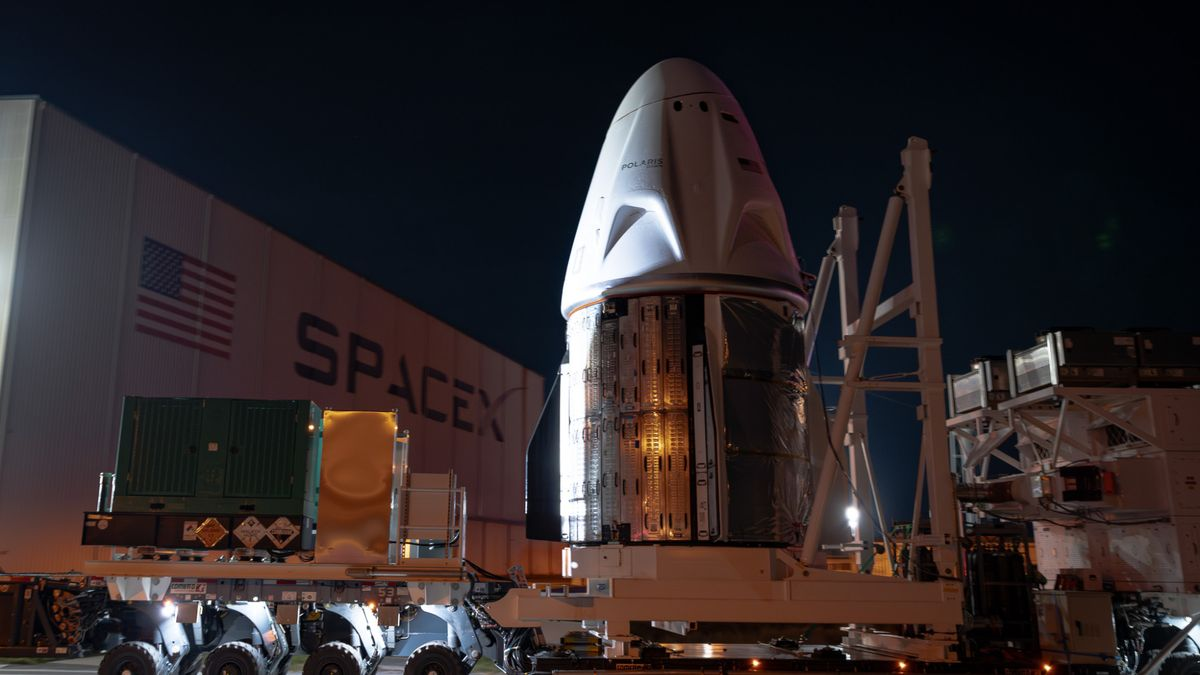
SpaceX has delayed its ambitious Polaris Dawn mission, which aimed to achieve the first-ever spacewalk by private citizens. Originally set to launch from NASA’s space center in Florida early Wednesday, the mission was postponed due to an “unfavorable weather forecast” in the planned splashdown areas. The delay follows a previous cancellation on Tuesday caused by a helium leak affecting the rocket’s connection line.

Polaris Dawn, spearheaded by fintech billionaire Jared Isaacman, was intended to feature an all-civilian crew, including Isaacman, retired US Air Force pilot Scott Poteet, and SpaceX engineers Anna Menon and Sarah Gillis. Isaacman, who previously financed SpaceX’s Inspiration4 mission in 2021, has not disclosed the total investment for this venture.

The mission will use a SpaceX Dragon capsule launched by a Falcon 9 rocket, targeting altitudes up to 1,400 km (870 miles) — the highest ever for a crewed mission since NASA’s Apollo program. The crew is scheduled to spend six days in space, with a planned spacewalk on the third day, involving Isaacman and Gillis exiting the spacecraft in upgraded SpaceX spacesuits.

During the mission, they plan to conduct experiments, including testing communications with Starlink satellites and observing the Van Allen radiation belt. The exact timing of the rescheduled launch remains unclear.
 

xAI Faces Allegations of Escalating Memphis Smog with Unpermitted Gas Turbines

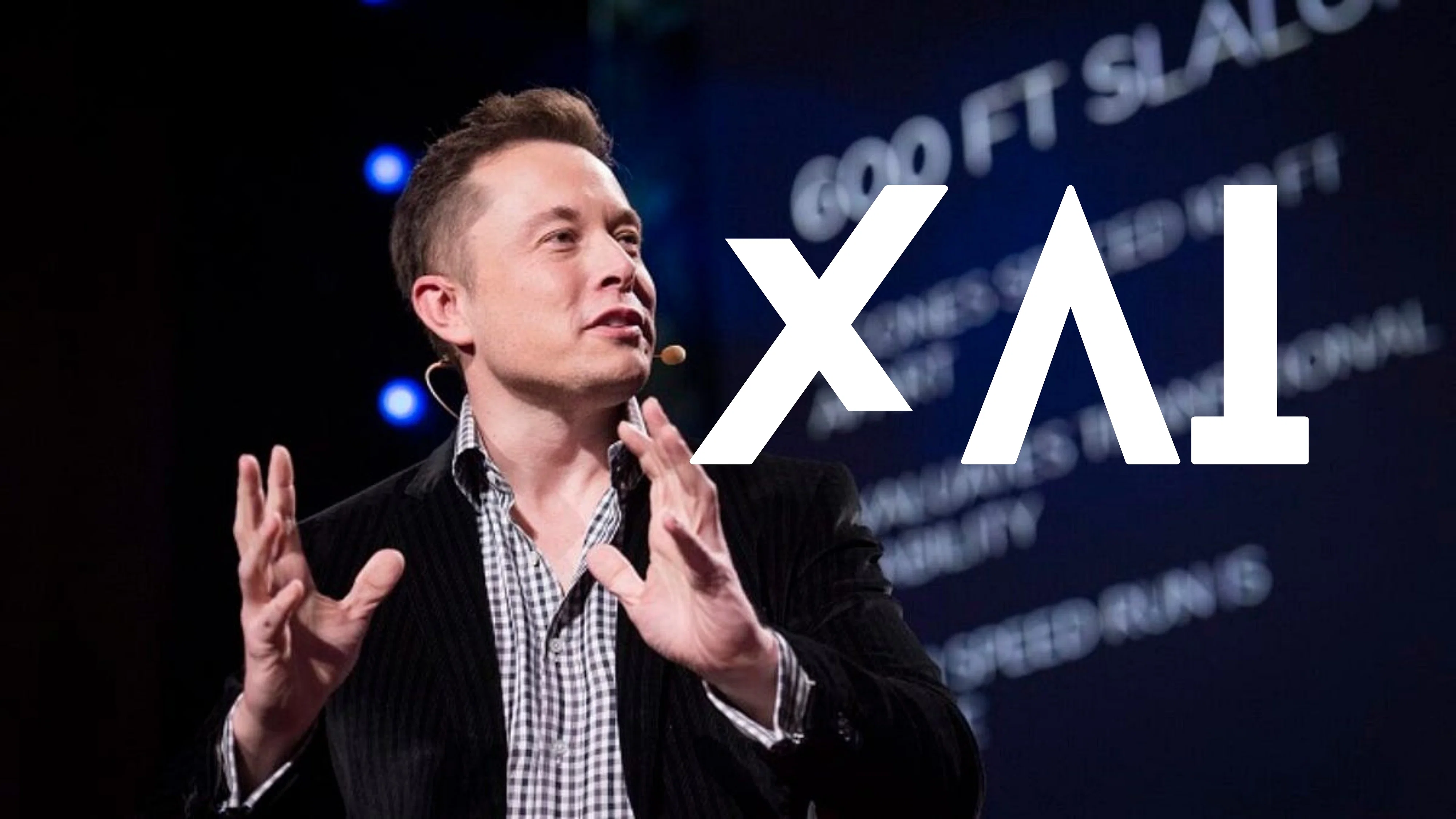
Elon Musk’s artificial intelligence venture, xAI, is under scrutiny for exacerbating air pollution in Memphis, Tennessee, due to the use of unlicensed natural gas turbines at its newly established data center. Environmental and health advocates have raised concerns about the facility’s impact on local air quality, citing the turbines’ emission of nitrogen oxides (NOx), which contribute to the region’s smog issues.

Opened in June within a former Electrolux factory, xAI’s data center has been utilizing at least 18 gas turbines to power its operations, despite lacking the necessary permits. The Southern Environmental Law Center, representing various local groups, has requested an investigation from the Shelby County Health Department and the Environmental Protection Agency. They highlight the turbines’ role in adding to Memphis’s persistent smog problem, which has earned the area an “F” grade from the American Lung Association.

While xAI plans to transition to power supplied by Memphis Light, Gas and Water (MLGW) and the Tennessee Valley Authority, the utility has only begun providing part of the required 150 megawatts of power. This transition includes infrastructure upgrades to accommodate the increased demand.

Musk, who also leads Tesla and SpaceX, launched xAI in 2023 to develop AI technologies intended to rival those from major players like Google and Microsoft. The company’s data center requires substantial power for its AI models, including the new chatbot Grok.

The turbines, some visible from public roads, are said to emit significant levels of NOx, which can irritate respiratory systems and lead to serious health problems. Permits for such equipment are typically mandated in Tennessee to regulate emissions and ensure environmental safety. However, xAI’s turbines, with a combined capacity to emit 130 tons of NOx annually, have reportedly not been subjected to these regulatory measures.

Advocates express frustration over the lack of transparency and public input regarding the xAI project, emphasizing its already substantial environmental and health impacts. This situation follows a pattern of Musk-led ventures facing similar regulatory issues, including SpaceX’s unpermitted wastewater discharges and The Boring Co.’s unauthorized wastewater releases.


Boeing and Lockheed Martin in Talks to Sell ULA to Sierra Space in a Potential $2-$3 Billion Deal

Boeing and Lockheed Martin are in advanced discussions to sell their joint venture, United Launch Alliance (ULA), to Sierra Space, a private aerospace company. The potential deal, which could value ULA between $2 billion and $3 billion, represents a significant shift in the U.S. space launch industry. ULA, a major provider of launch services to the U.S. government and a key competitor to Elon Musk’s SpaceX, has long been dominated by its parent companies, Boeing and Lockheed Martin, two of the largest defense contractors in the world.

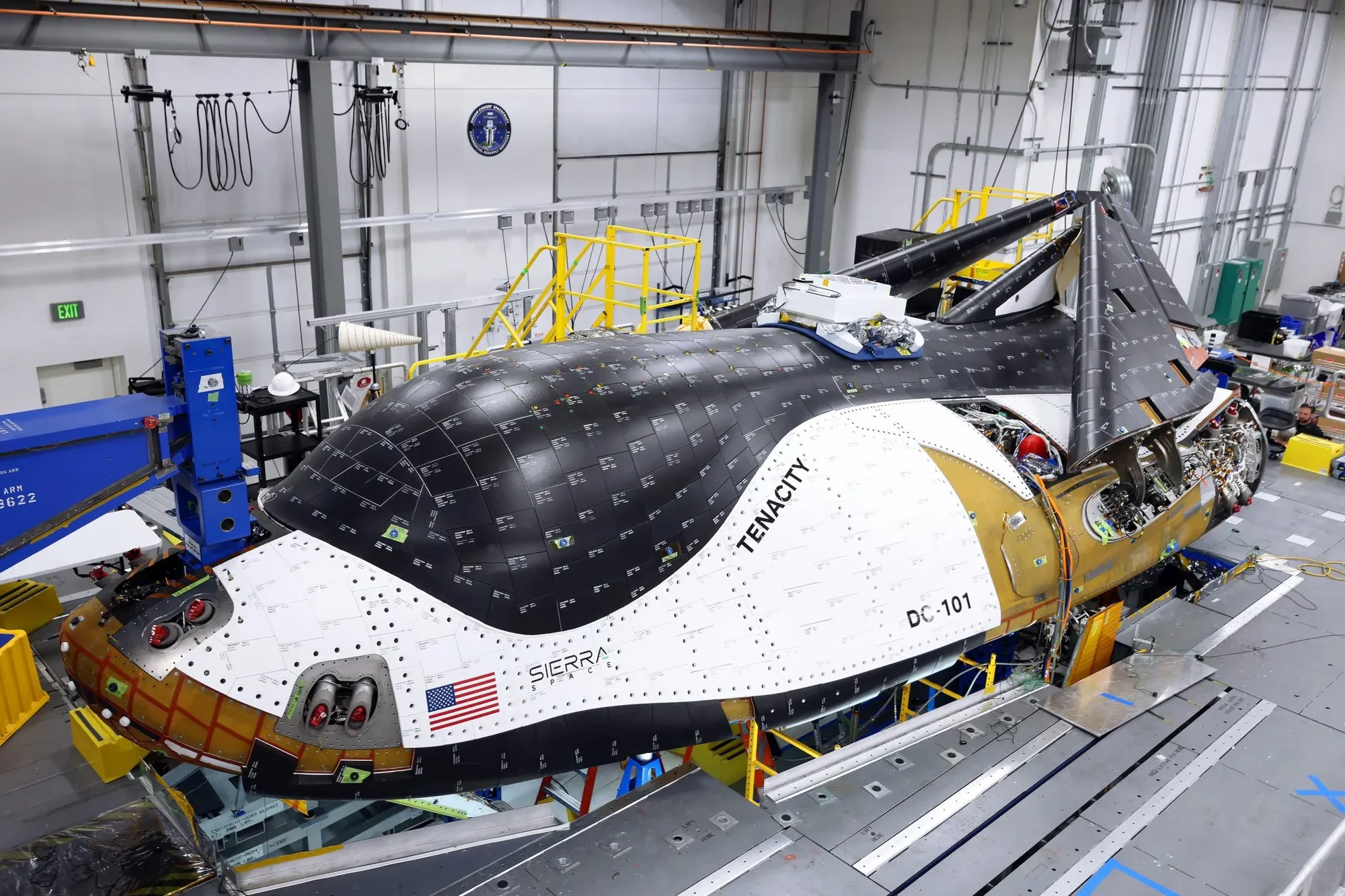
This sale would mark a departure from past failed attempts to divest ULA, with previous potential buyers, including Jeff Bezos’ Blue Origin and Cerberus Capital Management, unable to reach an agreement. Sierra Space, spun off from Sierra Nevada Corporation in 2021, aims to use the acquisition to accelerate its space ambitions, including the development of its Dream Chaser spaceplane and a private space station habitat.

Picture background

For Boeing, selling ULA aligns with CEO Kelly Ortberg’s strategy to refocus on its core aerospace and defense businesses, while Lockheed Martin would similarly be shedding a non-core asset. ULA, formed in 2006 to consolidate Boeing’s and Lockheed’s rocket businesses, has struggled to compete with SpaceX’s innovative and cost-effective Falcon 9 rockets. ULA’s new Vulcan rocket, which debuted in 2023, has faced production and scalability challenges, making the timing of the sale critical for the company’s future.

Sierra Space’s potential acquisition of ULA would provide it with in-house launch capabilities, reducing its reliance on external providers and potentially saving hundreds of millions of dollars in launch costs for its spaceplane and space station projects. However, the deal is not yet finalized, and negotiations could still fall through. The sale would also free ULA from Boeing and Lockheed’s control, potentially allowing it to explore new markets such as lunar habitats and maneuverable spacecraft, areas previously resisted by its parent companies.