Yazılar

Elon Musk Wins Shareholder Approval for Record $1 Trillion Tesla Pay Plan

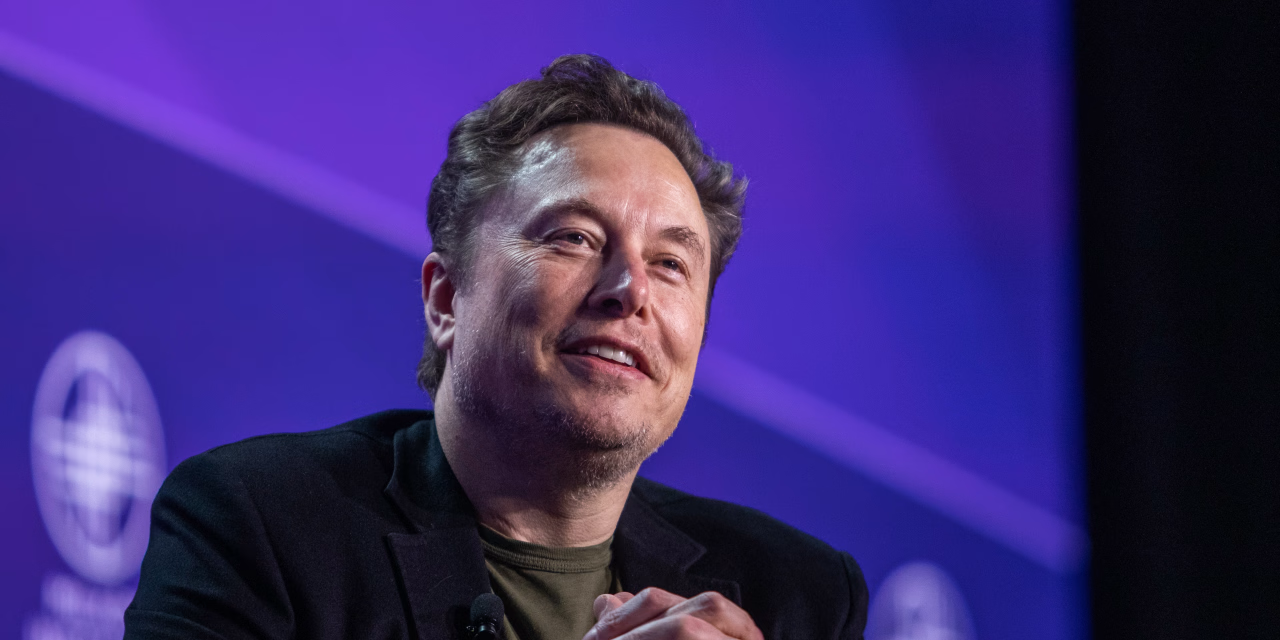
Elon Musk has secured shareholder approval for a record-breaking $1 trillion Tesla pay package, cementing his grip on the company as he pushes to transform the electric vehicle maker into a global leader in AI and robotics.

The plan received over 75% support during Tesla’s annual shareholder meeting in Austin, Texas, where Musk appeared on stage alongside dancing robots, calling the moment “a whole new book” in Tesla’s story.

The approved package could grant Musk up to $878 billion in stock over the next decade, contingent on ambitious performance milestones — including delivering 20 million vehicles, deploying 1 million robotaxis, and generating $400 billion in core profit. Tesla’s market value would need to climb from $1.5 trillion to $8.5 trillion for Musk to unlock the full payout.

The vote follows months of intense debate over Musk’s compensation and influence. The Tesla board warned that Musk could shift his focus to other ventures — such as SpaceX or his AI startup xAI — if shareholders rejected the plan.

“This isn’t just another chapter,” Musk said to cheering investors. “It’s the start of something entirely new.”

Critics, including Norway’s sovereign wealth fund and proxy advisory firms Glass Lewis and ISS, opposed the plan, citing governance concerns and the risk of excessive power consolidation. Yet supporters argued that tying compensation to Tesla’s market success aligns Musk’s incentives with shareholders’.

Shareholders also voted to invest in xAI, though analysts noted that many abstentions signaled caution over potential conflicts of interest.

The approval clears a major uncertainty clouding Tesla’s future and reinforces Musk’s position as both the visionary and lightning rod behind the company’s AI and robotics ambitions.

Global space investment hits record $3.5 billion as funding widens beyond SpaceX and OneWeb

Global space investment soared to a record $3.5 billion in the third quarter, almost doubling last year’s figure, as money flowed into a broader range of startups and defense-related projects, according to a new report from Seraphim Space.

The data marks a shift in the fast-growing industry, with capital now spread across multiple players instead of being dominated by giants such as SpaceX and OneWeb. “We’re seeing a far more diverse set of investable companies, signaling that space has evolved into a broader, more mature market,” said Lucas Bishop, investment associate at Seraphim.

The surge was led by U.S. defense and aerospace firms like Hadrian, Apex, and Hermeus, which raised large rounds focused on advanced manufacturing and hypersonic technologies. In China, Galactic Energy took the top spot with a $336 million raise in September.

Governments are fueling the boom as they expand domestic space and defense initiatives, with the U.S., China, and Europe all channeling funds into satellite networks and orbital infrastructure. The report said this momentum would likely continue into 2026, supported by dual-use technologies bridging civilian and military applications, such as SpaceX’s Starshield and OneWeb’s network expansion.

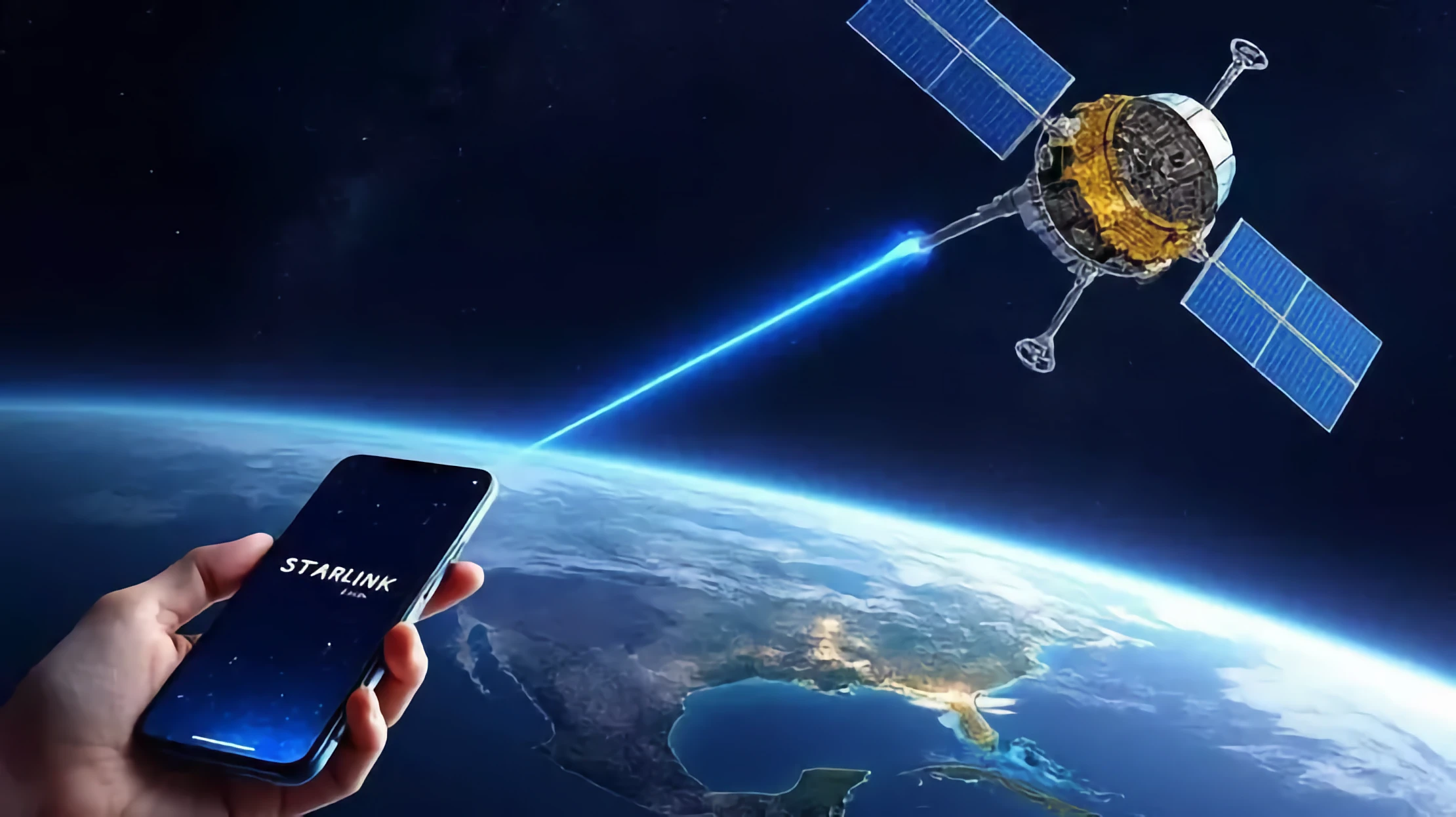
Publicly traded space firms have also surged. Rocket Lab and Planet Labs have more than doubled their market value in recent months, while AST SpaceMobile has tripled after demonstrating satellite-to-phone broadband connectivity — a milestone for direct-to-device communication.

Judge Rejects Elon Musk’s Bid to Move SEC Lawsuit From Washington to Texas

A U.S. federal judge has denied Elon Musk’s request to move a Securities and Exchange Commission (SEC) lawsuit from Washington, D.C. to Texas, rejecting his claim that the capital’s court location was overly burdensome given his packed schedule.

Judge Sparkle Sooknanan ruled on Thursday that while she acknowledges Musk’s demanding workload, his “considerable means” and frequent travel make Washington an appropriate venue. She also noted that Musk spends at least 40% of his time outside Texas, including significant periods in the capital, where he recently led the Department of Government Efficiency.

The judge emphasized that Texas courts face heavier caseloads, while her court could handle the matter with “reasonable alacrity.” Musk’s argument centered on his claim that he works 80 or more hours per week, often sleeping at his office or factories, and that defending himself in Washington would cause “substantial burdens.”

The SEC lawsuit, filed in January, accuses Musk of failing to timely disclose his acquisition of a 5% stake in Twitter (now X) in early 2022. The 11-day delay, according to the SEC, allowed him to buy over $500 million worth of shares at artificially low prices, saving him an estimated $150 million. The agency seeks a civil fine and the forfeiture of those gains, while Musk is attempting to have the case dismissed.

Musk, whose fortune reportedly surpassed $500 billion this week, resides in Austin, Texas, where his major companies—Tesla, SpaceX, and The Boring Company—are headquartered. He had also proposed moving the case to Manhattan, where former Twitter shareholders have filed a related lawsuit, but that request was likewise denied.

The case, titled SEC v. Musk, will proceed in the U.S. District Court for the District of Columbia under docket number 25-00105, setting the stage for another high-profile courtroom battle involving one of the world’s most controversial billionaires.