Yazılar

Elon Musk Resumes Plans to Visit India Following Talks with Prime Minister Narendra Modi

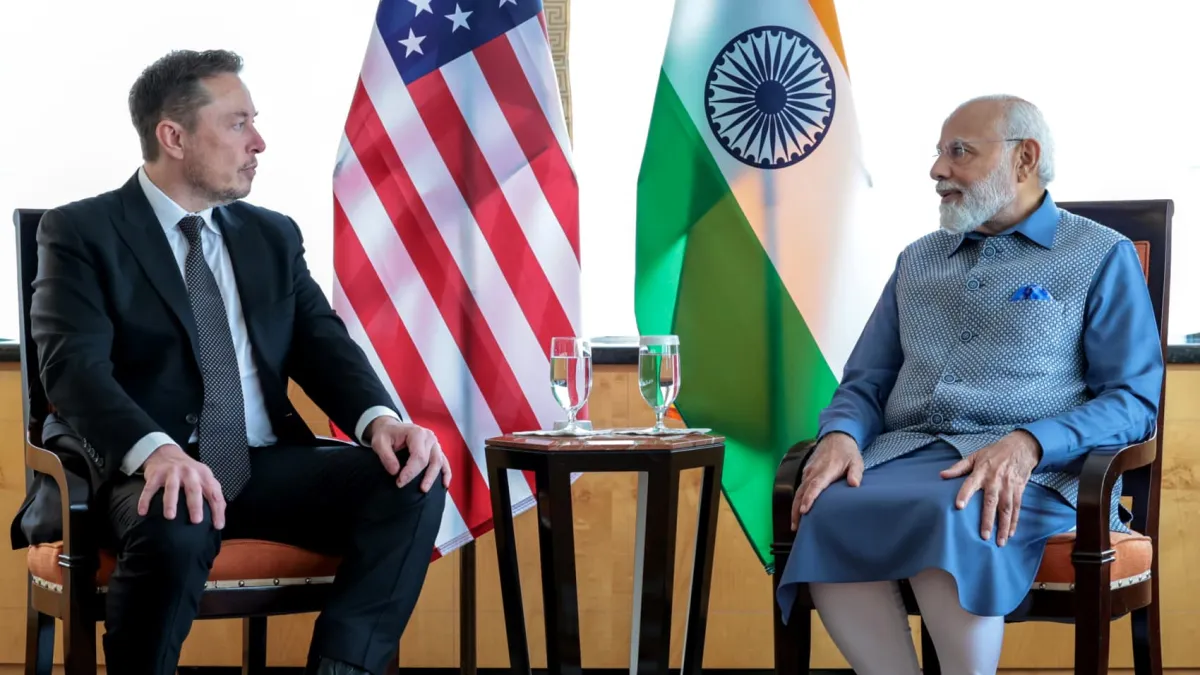
Elon Musk, the CEO of Tesla, has revived plans to visit India later this year following a recent conversation with Indian Prime Minister Narendra Modi. This signals potential forward movement for Tesla’s long-anticipated expansion into India, a country that remains one of the world’s most promising markets for electric vehicles (EVs). Musk revealed his plans for the visit in a post on X, the social media platform he owns, after the discussion with Modi on Saturday.

Musk’s initial trip to India was scheduled for the previous year but was abruptly postponed due to what he described as urgent matters at Tesla. This delay only added to the anticipation surrounding Tesla’s entry into the Indian market, which has faced several hurdles in recent years. With India’s large population and growing interest in sustainable technologies, Musk’s trip could be a crucial step toward resolving these issues and solidifying Tesla’s presence in the country.

The timing of Musk’s visit comes at a critical juncture for both Tesla and its CEO. Globally, Tesla has been facing mounting challenges, including increased competition in the EV market. Rivals like Chinese automaker BYD have gained traction with aggressive pricing strategies, making it harder for Tesla to maintain its dominance. Furthermore, Musk’s association with former US President Donald Trump has polarized some potential customers, further complicating Tesla’s efforts to expand its market base. Tesla’s struggles are also exacerbated by trade tensions, with tariffs leading to a halt in the sales of certain Tesla models in China, one of its key markets.

Given these global challenges, Musk and Tesla are under pressure to find new markets to sustain growth, and India presents a significant opportunity. The Indian government’s push for clean energy and sustainable mobility aligns with Tesla’s goals, making the country an attractive target for expansion. However, discussions over issues like import duties and commitments to local manufacturing have previously stalled progress. Musk’s visit could potentially break these deadlocks, allowing Tesla to finally make inroads into India’s rapidly growing EV market, which has a burgeoning middle class eager for new, clean transportation options.
German Startup’s Space Rocket Explodes After Takeoff from Norway

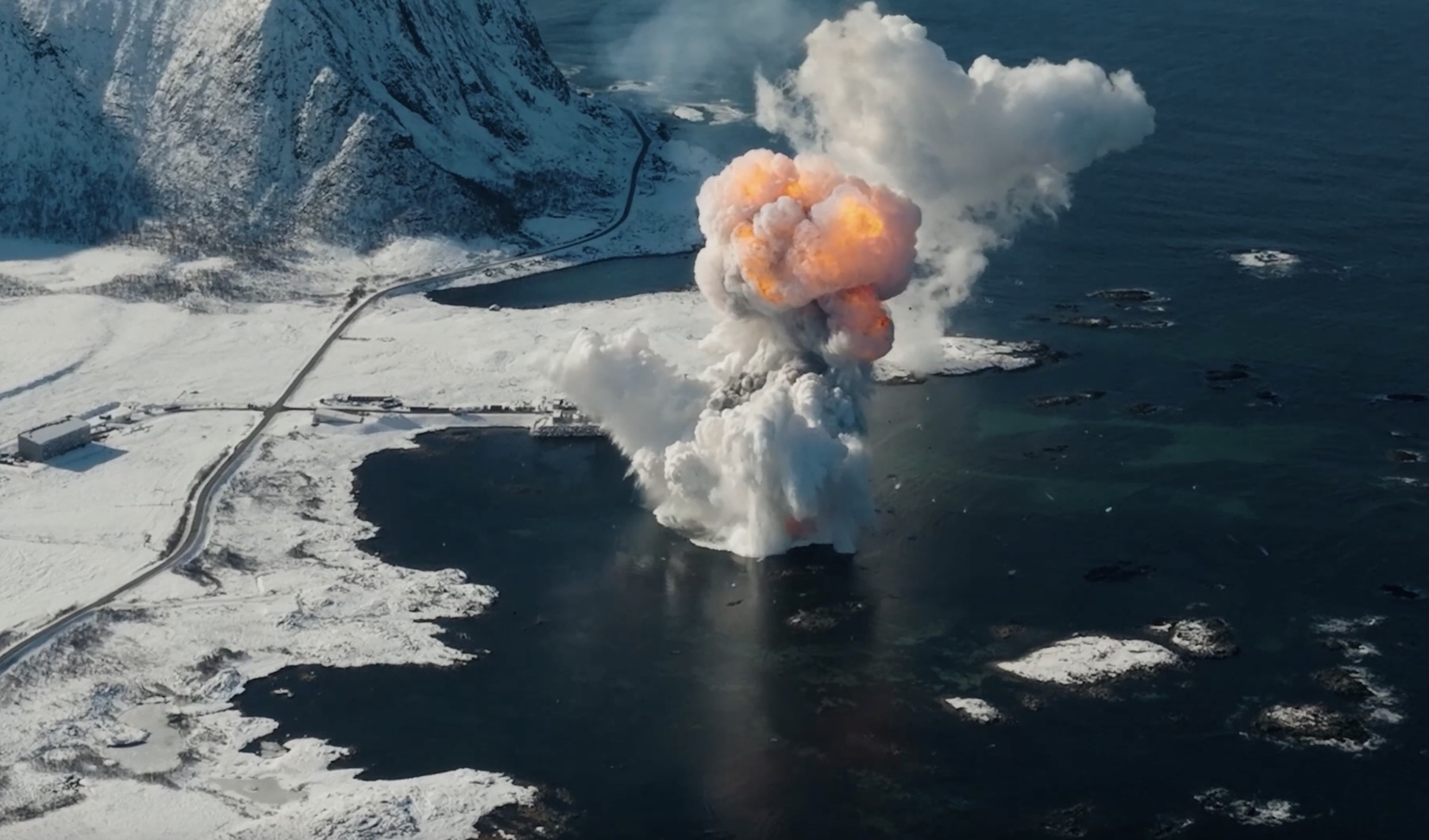
A test launch by the German space startup Isar Aerospace ended in failure on Sunday, with its Spectrum rocket exploding 40 seconds after liftoff from Norway’s Andøya Spaceport. The uncrewed rocket, designed for small and medium-sized satellites, was a part of an initial test intended to kickstart satellite launches from Europe, aiming to compete in the growing commercial space market.

The Spectrum rocket, which had no payload on its maiden flight, was designed to carry satellites weighing up to one metric tonne into orbit. Despite the failure, Isar Aerospace emphasized that the test generated valuable data to improve future launches. The company had previously warned that the first launch might end prematurely.

The test launch marked a significant step toward Europe’s ambition to establish a stronger presence in space exploration, especially as the continent seeks to reduce reliance on global space giants like SpaceX and ArianeGroup. Europe’s aspirations include ensuring greater autonomy in satellite launches, with countries like Sweden, the UK, and Norway working on establishing their own spaceports.

Despite the setback, industry observers, including the German aerospace association BDLI, remain optimistic. BDLI Managing Director Marie-Christine von Hahn highlighted the need for European sovereignty in space to provide alternatives to Musk’s Starlink service.

Isar Aerospace is among several European companies vying for a share of the satellite launch market, with rivals such as Sweden’s Esrange and the UK’s SaxaVord Spaceport also working on their first orbital missions. Isar’s next steps will be closely watched as it continues to refine its space launch technology.

India Criticises X for Labeling Compliance Website a “Censorship Tool”

India has sharply criticized Elon Musk’s X for referring to an official government website as a “censorship portal.” The site is intended to help tech companies quickly address harmful online content. This dispute escalates tensions between X and the Indian government, particularly as Musk prepares to expand his ventures, Starlink and Tesla, in the country.

The controversy began after X filed a lawsuit in March 2025, challenging the Indian government’s initiative. India’s Ministry of Information Technology responded by calling the use of the “censorship” terminology “unfortunate and condemnable.” The ministry further argued that the concerns raised by X were groundless, stating that the website’s purpose was to notify companies about their due diligence obligations, not to issue content-blocking orders.

X, however, claims that the website allows government officials to easily remove content and that India’s new system unlawfully broadens censorship powers. The conflict highlights growing tensions over content regulation as tech companies navigate varying international laws.