Yazılar

Intuitive Machines’ Stock Drops After Second Sideways Moon Landing

Intuitive Machines’ stock took a sharp 23% dive on Friday after confirming that its second moon lander, Athena, had landed on its side, much like the company’s first lunar attempt last year. The six-legged Athena lander had touched down approximately 100 miles (160 km) from the moon’s south pole, but the mission was declared a failure due to the spacecraft’s tilted position. The company cited the challenges of the lander’s orientation, the impact of the sun’s direction on the solar panels, and the extremely cold temperatures in the crater, which prevented the craft from recharging.

As a result, Intuitive Machines’ stock experienced its most significant drop in over a year. Shares had already fallen 20% the previous day, but the company had seen a considerable rise in value over the past 12 months prior to this setback.

Athena was carrying 11 scientific payloads, including tools for water ice exploration, lunar soil analysis, and the first data center and cellular network on the moon. Despite the failure, the company remains involved in NASA’s plans to reduce the cost of lunar exploration, with Intuitive Machines among the private companies leading the U.S. return to the moon.

Meanwhile, SpaceX’s Starship rocket also faced a setback, exploding minutes after its launch on Thursday. Despite these challenges, industry analysts believe that Intuitive Machines, though impacted by the recent failure, is still well-positioned to capitalize on the growing space exploration industry.

Andres Sheppard, senior analyst at Cantor Fitzgerald, remarked that while the sideways landing might affect the company’s credibility, it doesn’t signal a dire situation for Intuitive Machines. “We still think they are one of the better-positioned companies in the space exploration industry.”
SpaceX Secures FAA Launch License for Starship Flight 7, Paving the Way for 2025 Test

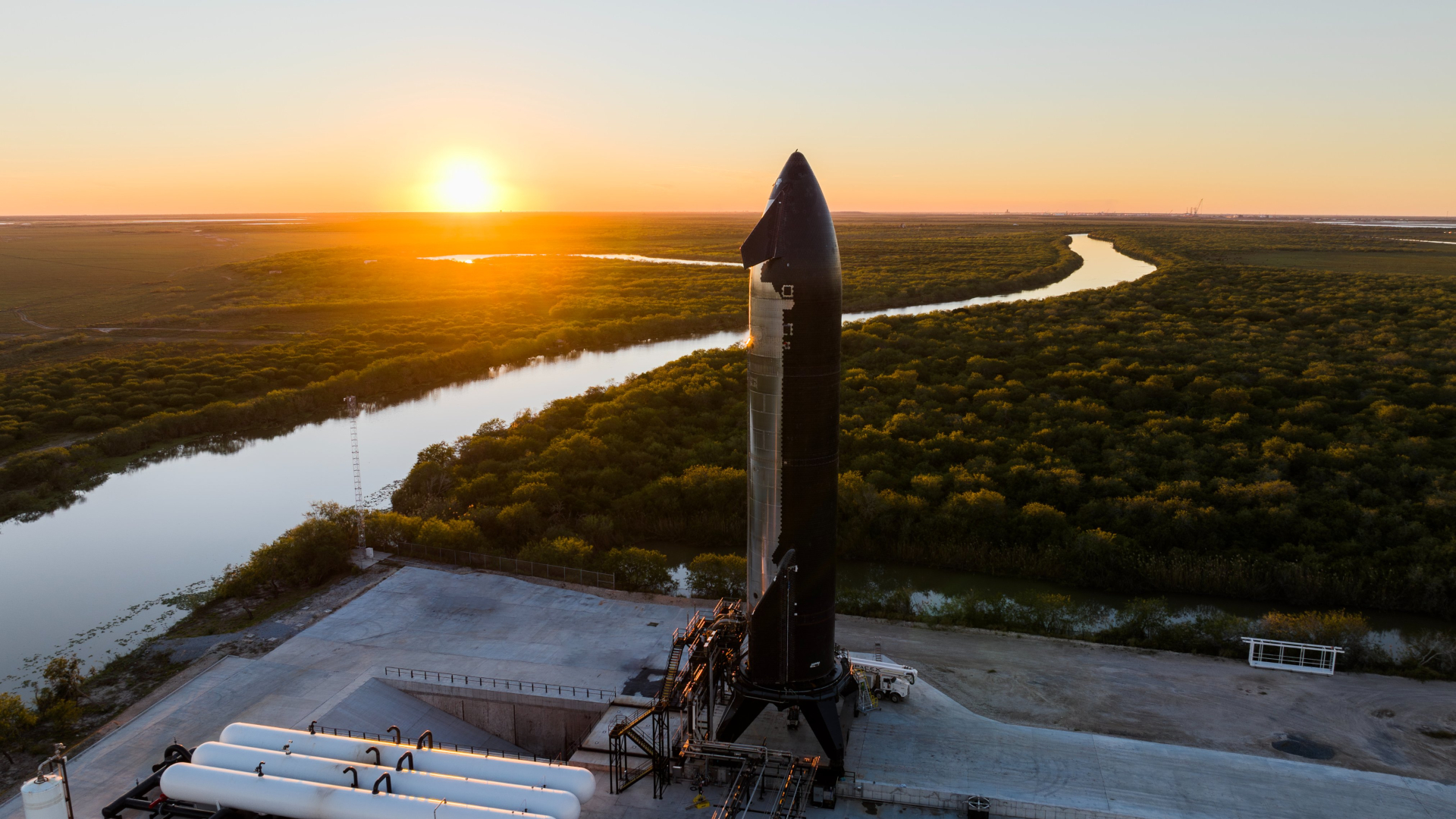
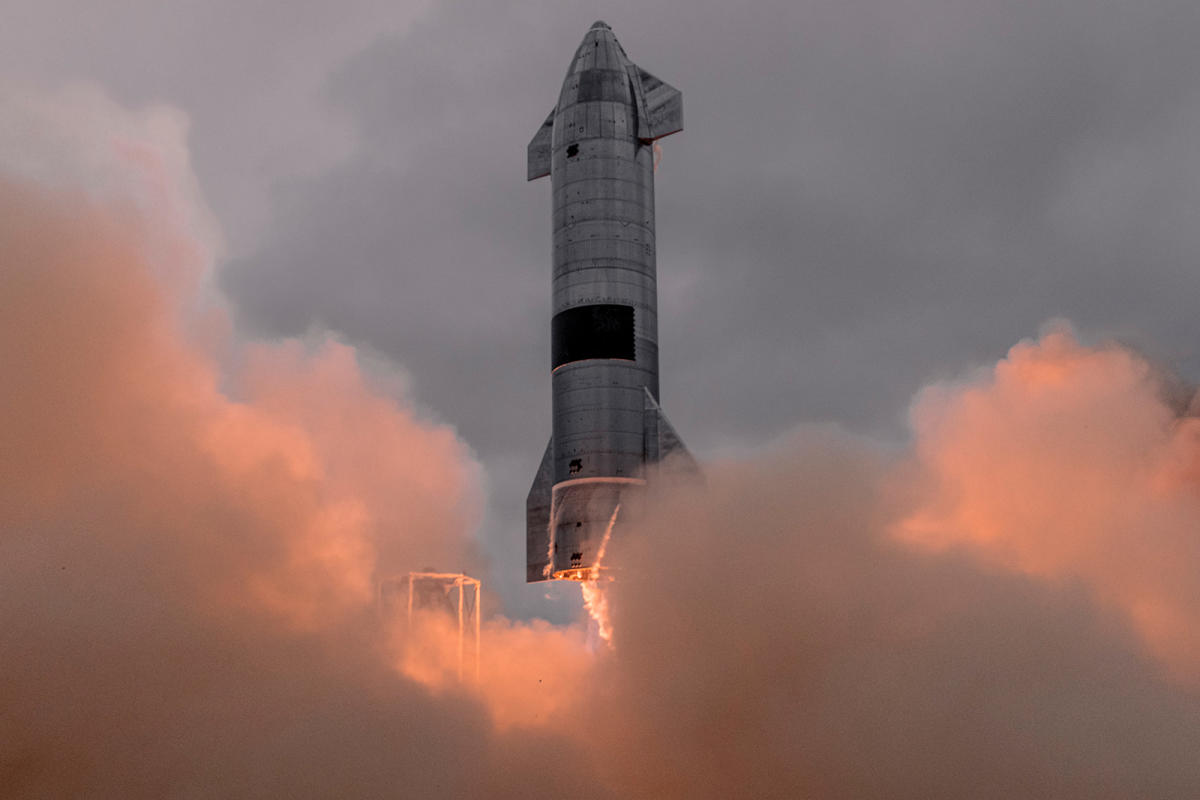
The Federal Aviation Administration (FAA) has officially granted SpaceX the launch license required for the Starship Flight 7 test, marking a crucial milestone for the development of the world’s most powerful rocket. Announced on December 17, this approval permits SpaceX to advance preparations at its Starbase facility in Boca Chica, Texas. The license follows an exhaustive series of engine tests on both the Starship spacecraft and its Super Heavy booster to validate their readiness for launch. Although SpaceX has not specified an exact date, industry insiders speculate that the test could take place in early to mid-January 2025.

Rigorous Preparations in Progress

Flight 7 will follow a trajectory similar to earlier tests, involving the launch of the fully stacked Starship and Super Heavy rocket, an attempted booster catch at the launch tower, and a controlled ocean landing of the Starship in the Indian Ocean near Australia. According to the FAA, stringent safety protocols are being enforced, with SpaceX working closely with regulatory bodies to ensure full compliance with operational standards. These measures underscore the agency’s commitment to balancing innovation with public and environmental safety.

Testing Critical Systems

The primary objectives of Flight 7 include demonstrating booster recovery and validating Starship’s capability to perform safe ocean landings. A prior test in November showcased a successful Starship splashdown in the Indian Ocean but encountered issues with the booster recovery system due to sensor malfunctions. Flight 7 seeks to refine and retest these systems, incorporating adjustments derived from previous data to enhance reliability and performance.

Significance for the Starship Program

As SpaceX prepares for this next milestone, the Flight 7 test represents a pivotal step in the Starship program’s long-term goals. These include supporting lunar missions for NASA’s Artemis program and enabling human exploration of Mars. The FAA’s licensing decision, combined with SpaceX’s engineering refinements, brings the company closer to achieving these ambitious objectives, making the Starship project a cornerstone of future space exploration.

ULA Plans Vulcan Rocket Upgrade to Compete with SpaceX’s Starship

United Launch Alliance (ULA), the rocket venture between Boeing and Lockheed Martin, is planning an upgrade to its Vulcan rocket in a bid to compete with SpaceX’s Starship in the growing low Earth orbit (LEO) satellite launch market. According to ULA CEO Tory Bruno, the company aims to develop a version of the Vulcan rocket specifically designed to meet the demands of the LEO market, which has been largely dominated by SpaceX’s Starlink satellite deployments.

“We recently completed a major trade study for what we need to be competitive in the future LEO market,” Bruno told Reuters at a military space conference in Orlando. “We’ve selected a modification to Vulcan that gives us significantly more mass to LEO and puts us in a competitive range.”

The Vulcan rocket, powered by engines from Jeff Bezos’ Blue Origin, has already completed its first two launches this year. Initially designed for Pentagon missions, the Vulcan is now being reconfigured to cater to the commercial LEO satellite market. One potential upgrade is the “Vulcan Heavy,” a version with three core boosters for increased payload capacity. Bruno also mentioned other “unique” configurations, including propulsion placements in unconventional locations.

SpaceX’s Starship, which is primarily designed for crewed missions to the Moon and Mars, has turned its attention to accelerating its Starlink satellite launches into LEO. This has intensified competition for launch providers, as companies like Amazon also aim to deploy large satellite networks to challenge Starlink’s dominance. ULA aims to complete the Vulcan upgrade before SpaceX’s Starship becomes fully operational for LEO satellite launches, which Bruno suggests could take several years.

ULA has secured several Vulcan missions with Amazon, aimed at launching the company’s Kuiper satellite network. This makes the Vulcan an integral part of Amazon’s strategy to rival SpaceX’s Starlink. SpaceX has already conducted six test flights of Starship, demonstrating its commitment to testing and improving the rocket’s capabilities, while ULA plans to finalize the Vulcan design before launching it commercially.

In 2024, ULA is set to conduct eight Vulcan missions and 12 Atlas V missions, its predecessor. The Vulcan’s starting launch price is about $110 million, slightly above SpaceX’s Falcon 9, and ULA has a backlog of roughly 70 missions, including those for Amazon.

Although ULA has been considering a sale, drawing interest from companies such as Sierra Nevada Corp and Blue Origin, Bruno has declined to comment on any acquisition discussions.