Yazılar

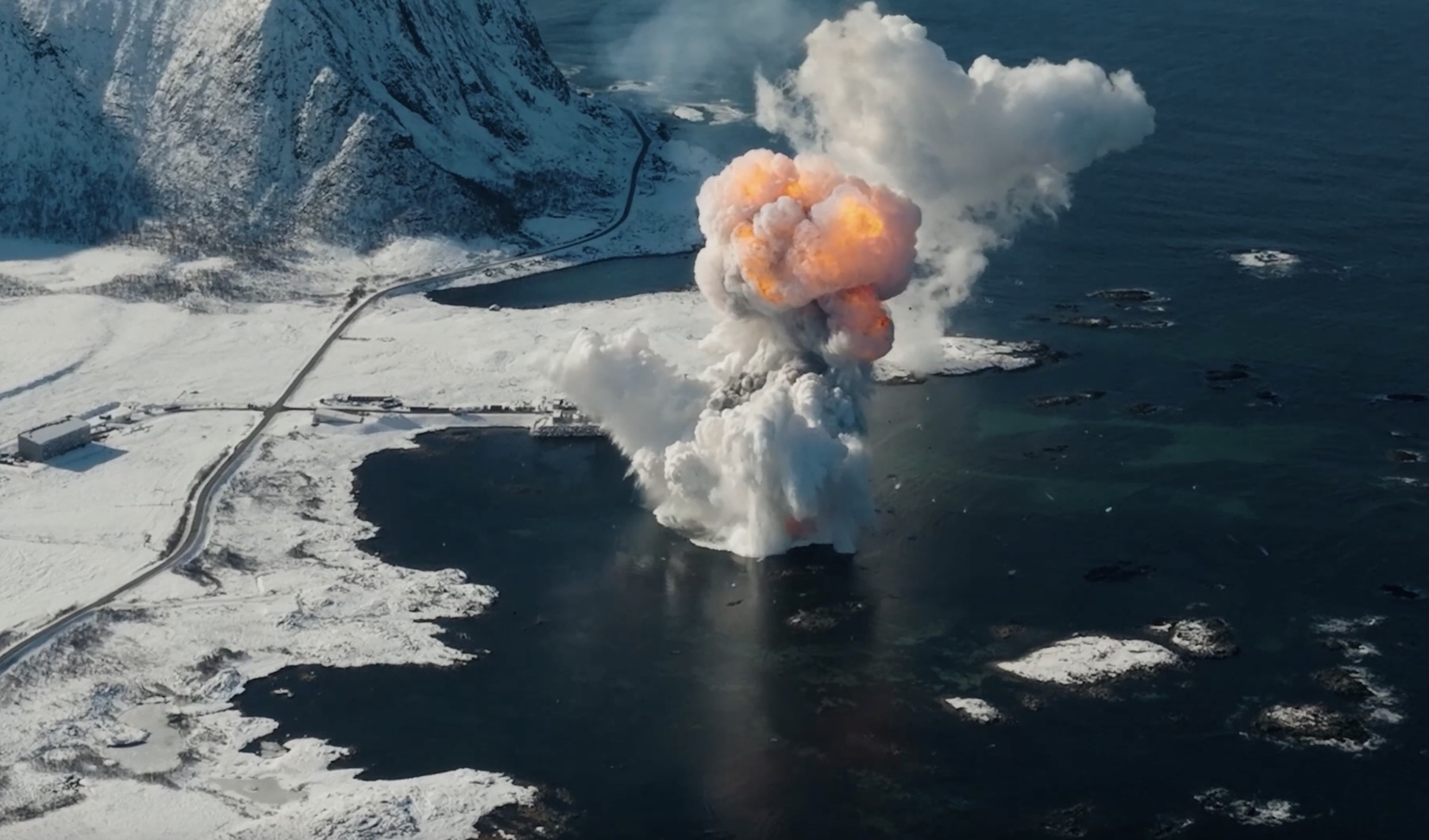
German Startup’s Space Rocket Explodes After Takeoff from Norway

A test launch by the German space startup Isar Aerospace ended in failure on Sunday, with its Spectrum rocket exploding 40 seconds after liftoff from Norway’s Andøya Spaceport. The uncrewed rocket, designed for small and medium-sized satellites, was a part of an initial test intended to kickstart satellite launches from Europe, aiming to compete in the growing commercial space market.

The Spectrum rocket, which had no payload on its maiden flight, was designed to carry satellites weighing up to one metric tonne into orbit. Despite the failure, Isar Aerospace emphasized that the test generated valuable data to improve future launches. The company had previously warned that the first launch might end prematurely.

The test launch marked a significant step toward Europe’s ambition to establish a stronger presence in space exploration, especially as the continent seeks to reduce reliance on global space giants like SpaceX and ArianeGroup. Europe’s aspirations include ensuring greater autonomy in satellite launches, with countries like Sweden, the UK, and Norway working on establishing their own spaceports.

Despite the setback, industry observers, including the German aerospace association BDLI, remain optimistic. BDLI Managing Director Marie-Christine von Hahn highlighted the need for European sovereignty in space to provide alternatives to Musk’s Starlink service.

Isar Aerospace is among several European companies vying for a share of the satellite launch market, with rivals such as Sweden’s Esrange and the UK’s SaxaVord Spaceport also working on their first orbital missions. Isar’s next steps will be closely watched as it continues to refine its space launch technology.
Scale AI Eyes $25 Billion Valuation in Potential Tender Offer Amid AI Boom

Scale AI, a rapidly growing artificial intelligence startup, is seeking a valuation as high as $25 billion in a potential tender offer, according to a report from Business Insider. The company, which has seen rising demand for AI services, aims to leverage the current AI boom, which has attracted significant attention from major tech players.

The startup, based in California, is in discussions regarding the terms of the tender offer, which could involve investors or the company purchasing shares from existing shareholders. However, the final valuation may change depending on negotiations.

Founded in 2016, Scale AI is already valued at nearly $14 billion, as per its last funding round. The company counts tech giants such as Nvidia, Amazon, and Meta among its backers. Scale AI specializes in providing high-quality, accurately labeled data essential for training machine learning models, including advanced tools like OpenAI’s ChatGPT.

Despite its success, the company is currently under investigation by the U.S. Department of Labor regarding compliance with the Fair Labor Standards Act, adding a layer of regulatory scrutiny.

Blockchain Firm Movement Labs Seeks $3 Billion Valuation in $100 Million Funding Round

Movement Labs, a blockchain development firm, is in the process of raising $100 million in a Series B funding round that could place the company’s valuation at $3 billion, according to a source familiar with the matter. The round is being led by crypto-focused investor CoinFund, with additional participation from Brevan Howard’s digital asset division.

Both CoinFund and Brevan Howard declined to comment on the details of the deal.

This funding round comes as startups in the cryptocurrency space are seeing renewed interest from investors following easing regulatory pressures and a market rebound from the lows experienced after the FTX collapse. The venture capital landscape is also benefiting from a recovery in dealmaking, spurred by interest rate cuts, which provide better opportunities for exits.

Global venture capital activity rose more than 5% to $368.5 billion last year, according to PitchBook.

Movement Labs raised $38 million in its previous funding round last year, and plans to use the new funds to enhance its product offerings, expand its presence in the Asia-Pacific region, and grow its team. The company was founded in 2022 by Vanderbilt University dropouts Cooper Scanlon and Rushi Manche, with a focus on creating a faster, more accessible blockchain. They also released their native token last month.