Yazılar

Xiaomi issues software update for 115,000 SU7 sedans over assisted driving risks

China’s Xiaomi will roll out a software update affecting more than 115,000 SU7 electric sedans to fix potential safety issues linked to its assisted driving system, according to a recall notice from the State Administration for Market Regulation (SAMR). The fix, delivered via over-the-air (OTA) update, marks the second time the model has been subject to recall protocols since its launch last year.

Regulators said the SU7’s Level 2 highway pilot system may not provide adequate early warnings or perform properly in extreme scenarios. The issue affects 116,887 standard SU7s manufactured between February 2024 and August 2025. Xiaomi confirmed the OTA update would be pushed out starting Friday.

China requires regulatory approval for OTA updates tied to autonomous driving, to ensure automakers cannot conceal defects or evade liability. The move comes as Beijing finalizes new safety rules for Level 2 automation, set to take effect in 2027. The draft standards were prompted in part by a fatal March accident involving a SU7 that caught fire after hitting a highway pole, just seconds after the driver disengaged the assistance system.

Level 2 automation allows the car to handle steering, acceleration, and braking, but still requires drivers to maintain constant attention. Analysts say China’s stricter oversight reflects both the growing popularity of advanced driver-assistance systems and heightened public concerns about road safety.
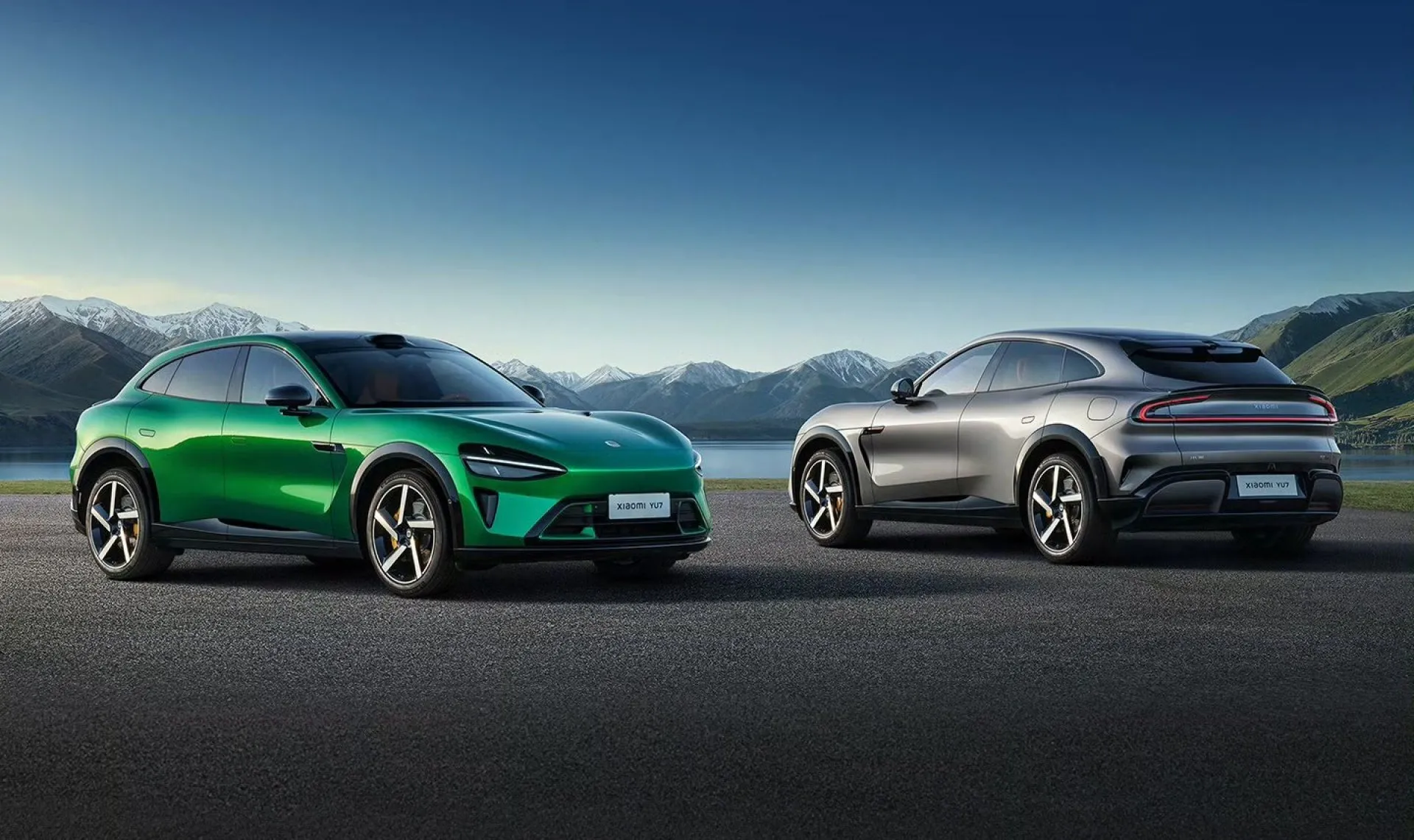
Xiaomi to Launch YU7 Electric SUV in July, Aims to Challenge Tesla’s Model Y in China

Xiaomi, China’s tech giant and the world’s third-largest smartphone maker, announced Thursday that it will begin sales of its second electric vehicle — the YU7 SUV — in July, positioning it as a direct challenger to Tesla’s Model Y, the best-selling EV SUV in China.

The YU7 boasts a driving range of up to 835 kilometers (519 miles) per charge, surpassing Tesla’s redesigned Model Y, which has a maximum range of 719 kilometers (447 miles). Xiaomi did not disclose pricing or begin pre-orders but hinted that, based on configuration, the YU7 could be priced 60,000–70,000 yuan ($8,300–$9,700) higher than the Model Y’s base price of 263,500 yuan ($36,574).

“But we’ll talk about the price in July,” said Xiaomi founder and CEO Lei Jun during the product launch event.

Competitive Edge and Market Context

  • The YU7 is Xiaomi’s second EV following the SU7, a sporty electric sedan that launched last year with design cues from Porsche and competitive pricing under Tesla’s Model 3.

  • Since December, the SU7 has consistently outsold Tesla’s Model 3 in China.

  • Xiaomi has delivered over 258,000 SU7 units since launch, according to Lei.

Headwinds and Safety Concerns

Xiaomi’s growing EV business faces scrutiny after a fatal highway crash in March involving an SU7 in driving-assistance mode. The company has also apologized for unclear marketing practices that led to allegations of false advertising.

“We apologize for marketing that was not clear enough,” Lei acknowledged, amid efforts to restore consumer trust.

Beyond EVs: Xiaomi Chips Up Its Game

Alongside the YU7 announcement, Xiaomi unveiled its second self-developed chip, the Xring T1, following the earlier launch of its Xring O1. Lei claimed the Xring O1 rivals Apple’s A18 chip in performance — signaling Xiaomi’s deeper push into semiconductor self-sufficiency and hardware-software integration.

The simultaneous launch of smartphones, tablets, and EV innovations reflects Xiaomi’s ambition to become a vertically integrated tech powerhouse, blending consumer electronics, mobility, and AI-powered smart hardware into a unified ecosystem.

Xiaomi Reveals SU7 Electric Car, Sets Ambitious Goal to Rank Among Top 5 Automakers

Committing $10 Billion: Xiaomi’s Ambitious Decade-Long Auto Investment Pledge Devamını Oku