Yazılar

Rise in Solar Activity Leads to Reduced Lifespan of Binar CubeSats

Surge in Solar Activity Cuts Short Lifespan of Binar CubeSats
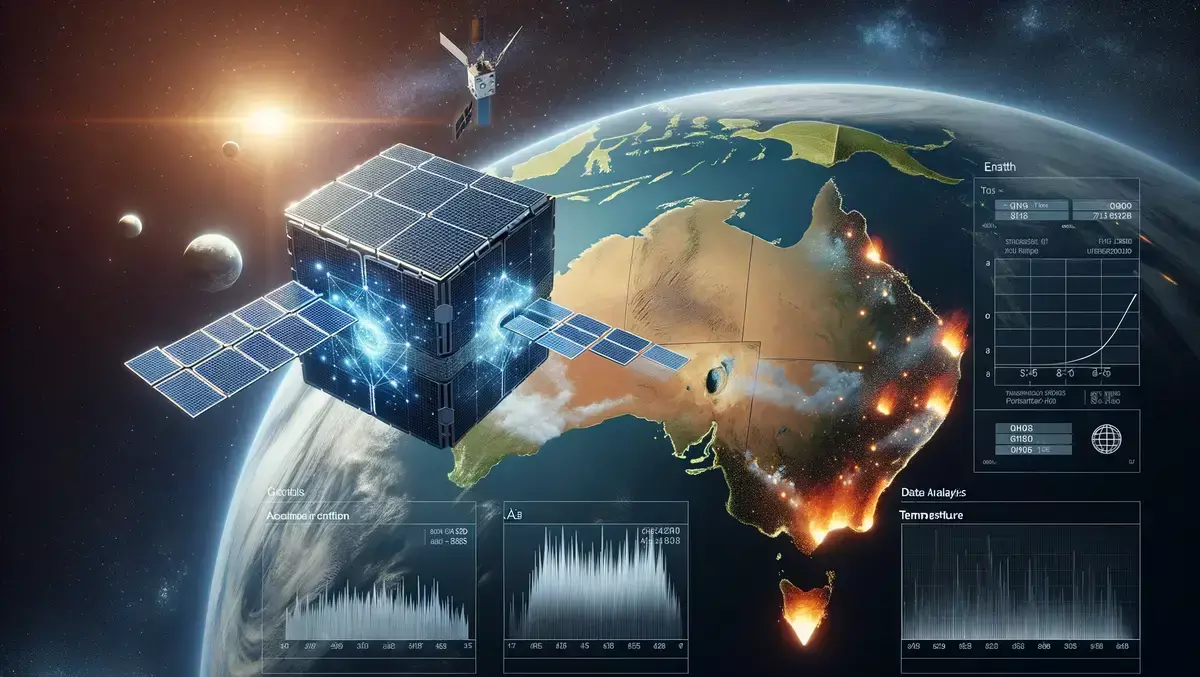
Three small satellites from Curtin University’s Binar Space Program re-entered Earth’s atmosphere far earlier than anticipated, prematurely ending their research missions. The CubeSats—Binar-2, Binar-3, and Binar-4—were designed with an initial lifespan of six months but only lasted two months in low Earth orbit (LEO). This early re-entry is attributed to a surge in solar activity that intensified conditions in space and affected satellite operations in ways that were not fully predicted.

Unprecedented Solar Activity Surpasses Predictions
Solar activity recently spiked, surpassing predictions by a significant margin, according to a Live Science report. The intensity of solar flares, sunspots, and solar wind has been about one and a half times higher than expected for Solar Cycle 25. This increase in solar activity is linked to the Sun’s 11-year magnetic field reversal, which influences space weather patterns. Despite advances in understanding solar cycles, forecasting solar weather remains difficult, making it challenging for satellite operators to predict the effects of these surges on space-based technology.

Impact of Solar Weather on Space Operations
The heightened solar activity has had a noticeable impact on space operations. On Earth, it has resulted in more vivid auroras visible closer to the equator, and the increased solar wind has contributed to higher levels of ionizing radiation, posing risks for astronauts and high-altitude flights. For satellites in low Earth orbit, particularly those like the Binar CubeSats without thrusters or altitude control systems, the solar wind creates additional drag, hastening orbital decay. These factors significantly shorten the operational lifespan of satellites in LEO during periods of high solar activity.

Challenges in Satellite Longevity and Space Weather Monitoring
The premature demise of the Binar CubeSats underscores the challenges posed by unpredictable space weather, particularly during solar cycle peaks. While satellites in LEO are more vulnerable to such conditions, the lack of reliable forecasting tools makes it difficult to fully prepare for or mitigate these effects. As solar activity continues to intensify, there is a growing need for advanced space weather forecasting and better shielding technologies to protect satellites, ensuring longer mission durations and more successful research outcomes.
Earth on Alert: Powerful X-Class Solar Flare Erupts from the Sun

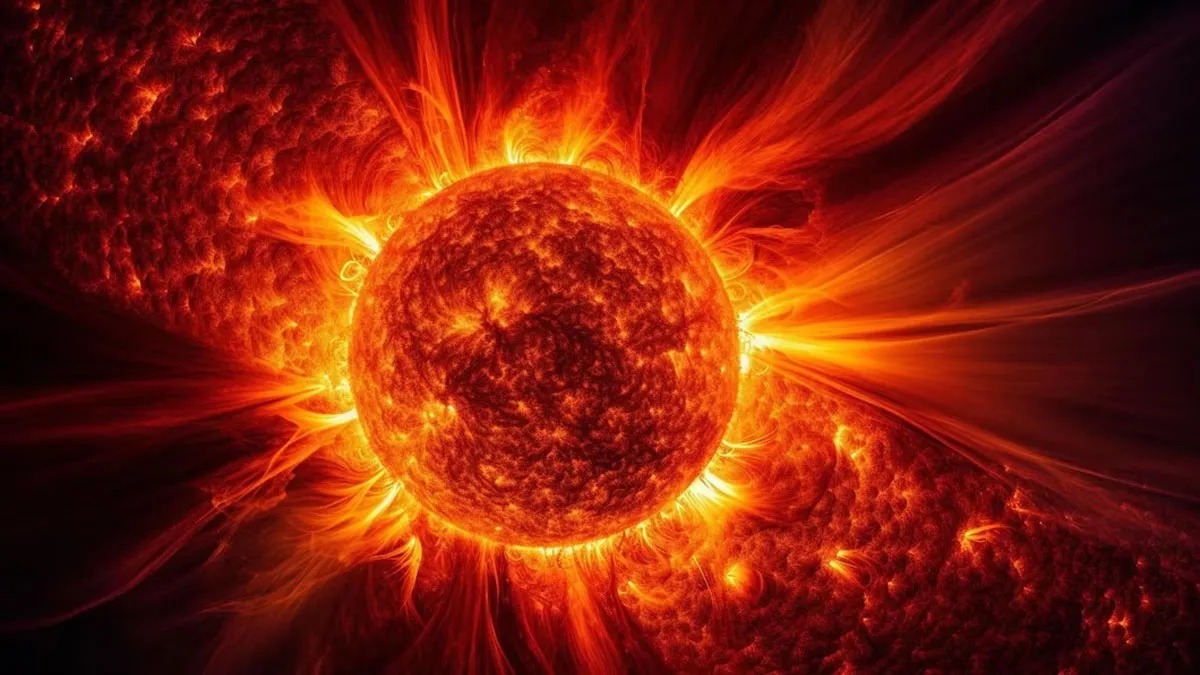
The sun unleashed a colossal solar flare, registering as an X9.05 eruption. This remarkable event marks the most powerful flare recorded in the current solar cycle, illuminating the sunlit side of the Earth at its peak around 8:10 a.m. EDT (1210 GMT). The impact of this intense solar activity was felt across Europe and Africa, where significant shortwave radio blackouts occurred. High-frequency communication services experienced noticeable disruptions, affecting everything from aviation to maritime communications, highlighting the sun’s potential to influence technology on Earth.

The source of this powerful solar flare was sunspot group AR3842, which has a well-documented history of vigorous activity. Just days before the X9.05 eruption, this same sunspot group had released an X7.1 flare and generated a coronal mass ejection (CME). The CME, as reported by space weather forecaster Sara Housseal, is currently on a trajectory toward Earth, with an anticipated impact window between October 3 and October 5. This event is particularly exciting for aurora enthusiasts, as CMEs are known to trigger geomagnetic storms that can enhance auroral displays, turning the night sky into a vibrant tapestry of colors.

Understanding the effects of solar activity is crucial for predicting how such events impact our planet. Solar flares and CMEs release streams of electrically charged particles that interact with Earth’s magnetosphere. When these particles collide with atmospheric gases, they can create the stunning light displays we know as the aurora borealis in the Northern Hemisphere and the aurora australis in the Southern Hemisphere. The dynamic interplay between solar activity and Earth’s atmosphere serves as a reminder of our sun’s powerful influence.

The recent X-class flare underscores the need for ongoing monitoring of solar activity, as it can have significant implications for satellite operations, power grids, and communication systems on Earth. With the sun entering a more active phase, scientists and space weather forecasters are closely observing these developments to provide timely updates and warnings. As we brace for the potential effects of the incoming CME, the interplay of solar phenomena and Earth’s magnetosphere continues to be a captivating area of study, offering insights into the broader workings of our solar system.

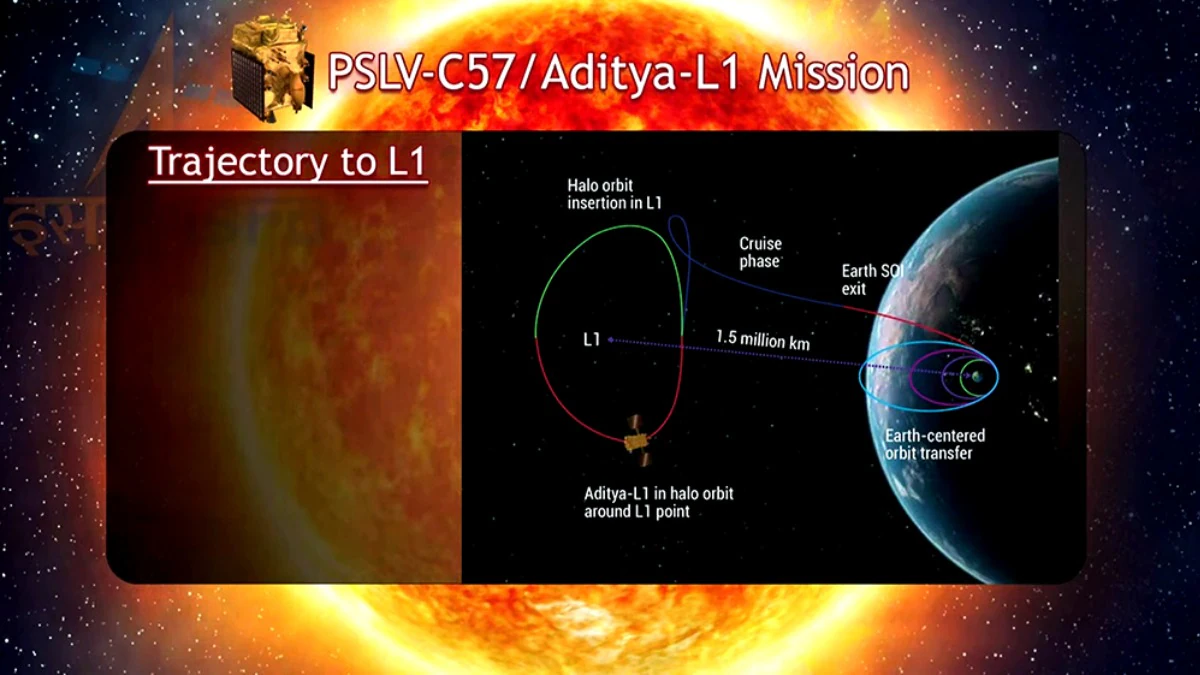
ISRO Gears Up to Position Aditya-L1 Spacecraft in Its Ultimate Orbit: Here’s What You Need to Know

ISRO to Execute Final Manoeuvre to Position Aditya-L1 Spacecraft in Its Ultimate Orbit at Approximately 4 PM on Saturday. Devamını Oku