
Yazılar

Moon and Sun Take Center Stage in 2026’s Lineup of Cosmic Events

The moon and the sun will headline a busy calendar of celestial events in 2026, from major eclipses to lunar missions and eye-catching supermoons.

The year begins with renewed focus on the moon as NASA prepares to send astronauts past it for the first time in more than 50 years under its Artemis program. Alongside human missions, a wave of robotic landers is planned, including Blue Origin’s oversized Blue Moon prototype, as well as landers from U.S. and Chinese companies targeting scientifically rich regions of the lunar surface.

Solar activity will also draw attention, highlighted by two major eclipses. A rare “ring-of-fire” annular solar eclipse will occur over Antarctica in February, followed by a total solar eclipse on Aug. 12 that will sweep across parts of the Arctic, Greenland, Iceland and Spain. Several lunar eclipses are also scheduled throughout the year.

Skywatchers can expect planetary spectacles as well. Six planets will line up in late February, with most visible to the naked eye, while Mars joins a similar parade in August. Jupiter, Saturn, Venus and Mercury will be the easiest to spot shortly after sunset, weather permitting.

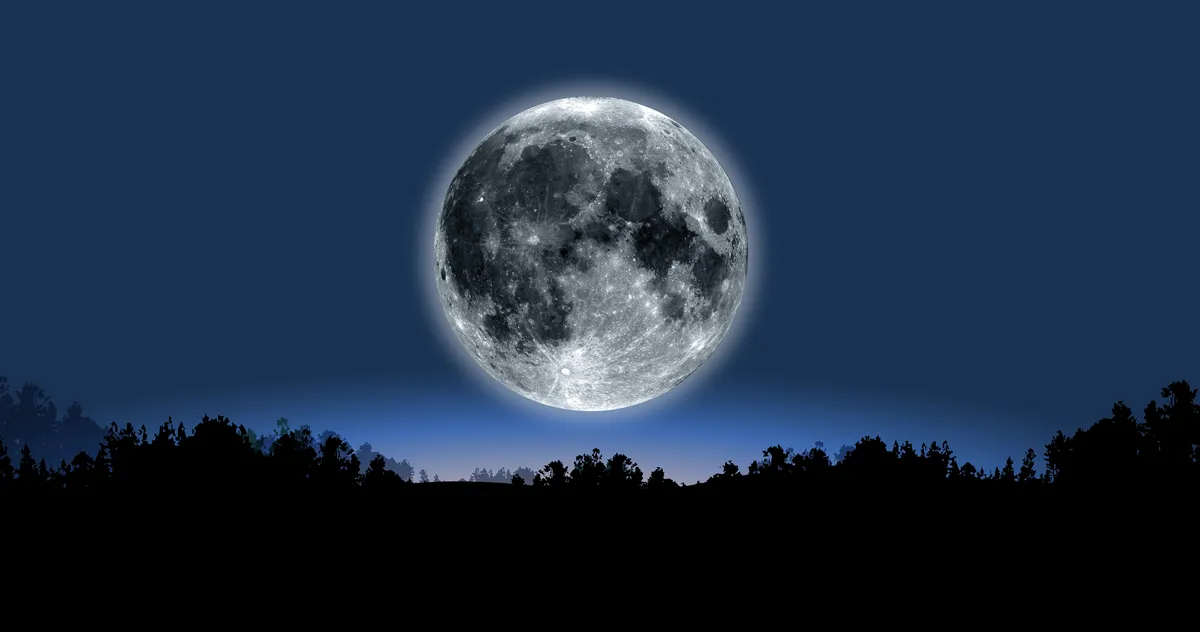
Three supermoons will brighten the night skies in 2026, including a particularly close and bright one on Christmas Eve. These full moons appear larger than usual as the moon reaches the closest point in its orbit around Earth.

Meanwhile, scientists expect continued bursts of solar activity, increasing the chances of vivid auroras in lower latitudes, though activity should gradually ease as the sun moves into the quieter phase of its 11-year cycle. For astronomers and casual stargazers alike, 2026 promises no shortage of cosmic drama.
Super Blue Moon: Everything You Need to Know About This Rare Celestial Event

The Rare Super Blue Moon Returns After Nearly a Year, Last Seen Devamını Oku

How to Witness August’s Rare Super Blue Moon

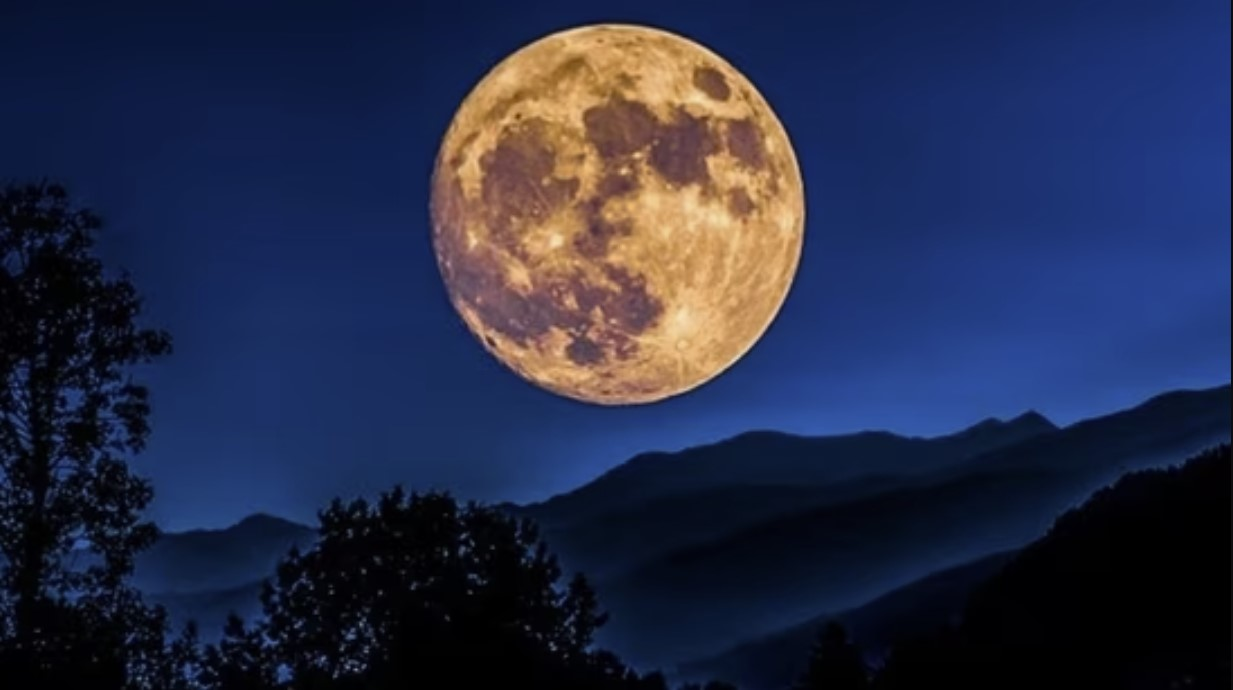
August 2024 has proven to be a thrilling month for astronomy enthusiasts. Following the peak of the Perseid meteor shower, the month brings another celestial event—a rare super blue moon. This unique lunar phenomenon, a combination of a supermoon and a blue moon, will reach its peak on August 19 at 2:26 p.m. ET.

Supermoons are already an extraordinary sight, as they appear significantly larger and brighter than regular full moons due to their proximity to Earth. The moon’s elliptical orbit means that at certain times it is closer to Earth, at a point known as perigee, which averages about 226,000 miles (363,300 kilometers) from our planet. When a full moon occurs within 90% of this perigee, it is classified as a supermoon. As a result, the moon can appear up to 14% larger and 30% brighter than when it is at its farthest point, or apogee, about 251,000 miles (405,500 kilometers) away.

This August’s super blue moon is particularly special because blue moons themselves are quite rare. A blue moon can be defined in two ways: a monthly blue moon, which is the second full moon in a calendar month, or a seasonal blue moon, which is the third full moon in a season that has four full moons. This particular blue moon is of the seasonal variety. Despite its name, a blue moon doesn’t actually appear blue unless there’s a lunar eclipse, which can give the moon a reddish or bluish tint depending on atmospheric conditions.

Observing the super blue moon is easy and does not require any special equipment. The moon will be visible to the naked eye and can be seen from virtually anywhere, provided the skies are clear. It will rise in the evening and remain visible until just before sunrise. The best viewing conditions are during a clear night without cloud cover. If clouds do obstruct the view on the peak night, the supermoon will still be visible for a couple of days before and after its peak, offering multiple opportunities to catch a glimpse.

In addition to the supermoon, sky-watchers can look out for Jupiter and Mars, which are expected to be visible near the moon. These planets were recently in close conjunction, meaning they appeared very close together in the sky, and they will still be relatively close during the supermoon.

For those looking ahead, 2024 has more celestial events in store. The remaining supermoons of the year are scheduled for September 18, October 17, and November 15. The September supermoon will also feature a partial lunar eclipse, where part of the Earth’s shadow will cover the moon. However, the October supermoon will be the largest of the year, with the moon being just 62 miles closer to Earth than during the August event.

This rare super blue moon offers a perfect reason to step outside and enjoy the beauty of the night sky. Whether you’re a seasoned astronomer or just enjoy the occasional stargazing, this event is sure to be a memorable one.