Yazılar

The UK and Digital ID: An Outlier Among Developed Nations as Tony Blair Calls for Reform

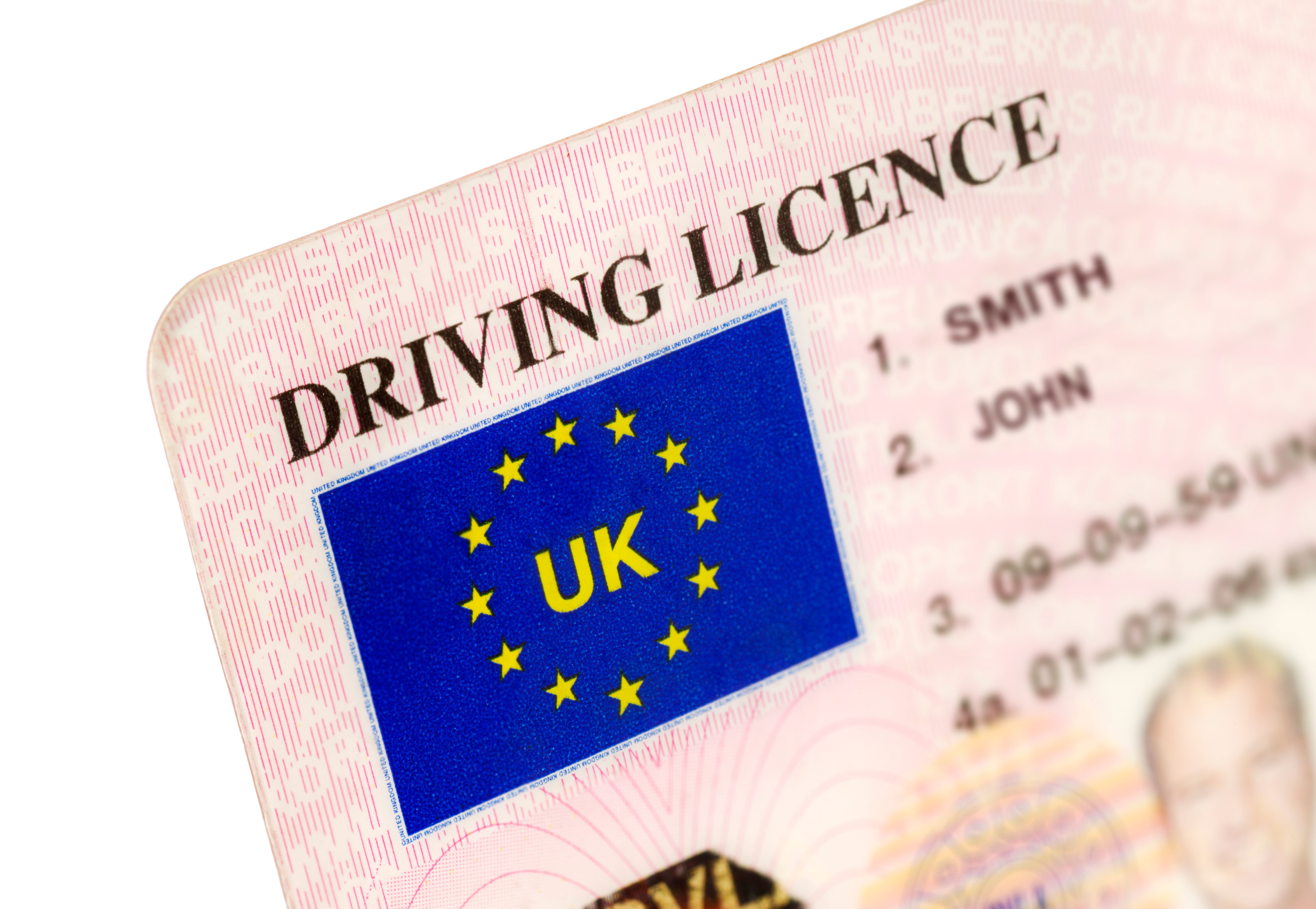
The UK remains one of the few developed economies without a national ID card scheme, according to recent research, making it an outlier in a world where most nations have adopted some form of identification system. A study conducted for Sky News’ Sunday Morning with Trevor Phillips reveals that out of 38 countries in the Organisation for Economic Co-operation and Development (OECD), only six—Australia, Canada, Ireland, New Zealand, the United States, and the UK—do not have a national ID system.

The debate over the introduction of a digital ID has been reignited by former Prime Minister Sir Tony Blair. In a recent Daily Mail article, Blair argued that modern technology could help make governing more efficient by addressing issues like lower taxes and improved public services. He called for a “once-in-a-generation disruption,” with digital ID systems as a potential starting point.

During Blair’s tenure, compulsory physical ID cards were a key proposal, but the plan was shelved by the coalition government before it could be implemented. Now, through his Institute for Global Change, Blair has advocated for a digital ID system that could cost £1bn to launch and £100m annually to maintain. However, he suggests the system could save the UK Treasury up to £2bn per year, as well as boost GDP by 3%, according to a 2019 McKinsey analysis.

Despite the potential benefits, digital IDs have faced criticism for posing risks to civil liberties and paving the way for a surveillance state. Countries around the world vary in their approach to ID cards, with most OECD nations making them optional. However, countries like Chile, Luxembourg, and Turkey have made carrying an ID card mandatory. In the last decade, countries such as Norway, Hungary, Denmark, Japan, and Lithuania have introduced mandatory ID cards, signaling a growing trend toward digital identity systems.

The UK government’s stance on digital IDs remains unclear. While Business Secretary Jonathan Reynolds initially suggested that Home Secretary Yvette Cooper would explore advice on the matter, this was quickly reversed. Currently, the UK is considering legislation to allow the creation of digital identities that would be optional and not tied to a mandatory national ID system. These digital records could include details like biometrics and addresses, but would remain voluntary.

Australia has already begun rolling out a similar system, despite concerns over privacy and safeguarding. The discussion around digital IDs continues to evolve, and on Sunday Morning with Trevor Phillips, the topic will be further explored with input from figures such as Border Security Minister Angela Eagle, Shadow Home Secretary Chris Philp, and journalist Anne Applebaum.
 

Mysterious Drone Sightings in New Jersey Raise Questions About Big Drones

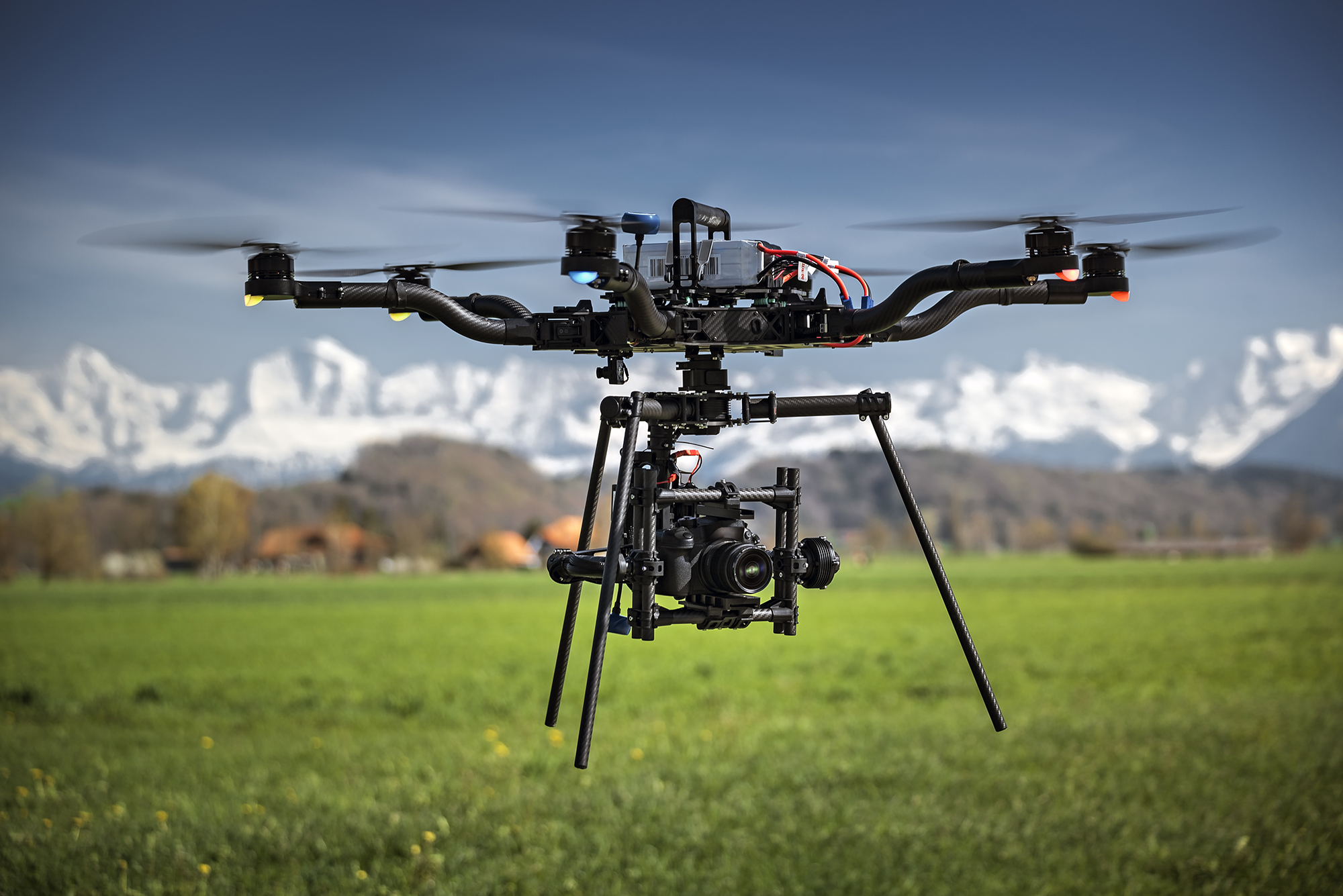
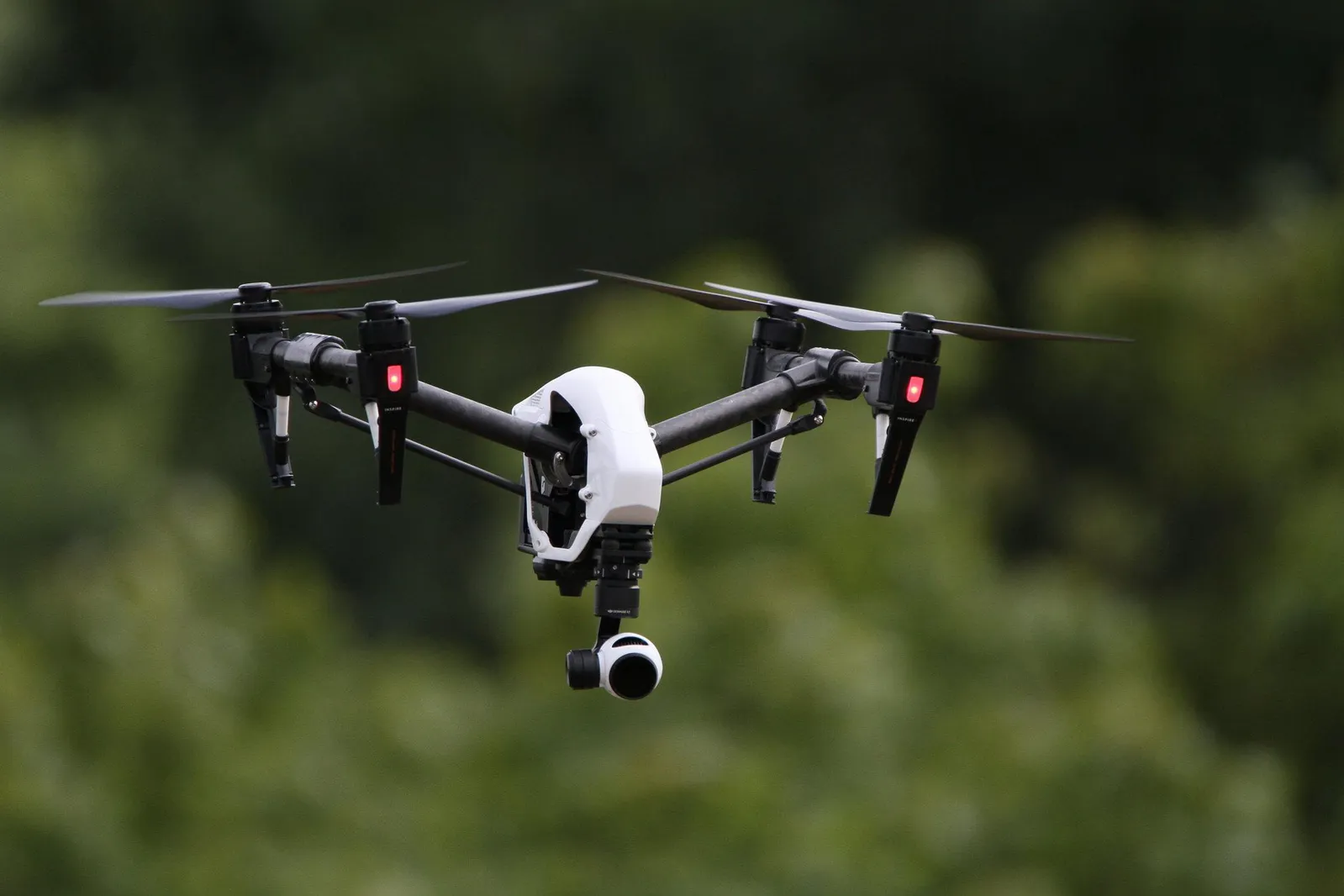
Recent reports of large drones flying over New Jersey have sparked a mix of intrigue and concern. Residents have described sightings of drones the size of small cars flying at night, often in clusters. While law enforcement agencies, including the FBI, work to confirm the nature of these objects and determine whether they are indeed drones or misidentified aircraft, experts suggest large drones are increasingly common and serve various purposes.

The sightings have been concentrated in Morris and Somerset counties, part of the New York metropolitan area. On December 3, the FBI field office in Newark acknowledged that reports from the public and law enforcement had been received for several weeks. Some residents claim to have seen objects exhibiting unusual flight patterns, such as rapid directional changes, that would be difficult for conventional planes to replicate.

Despite the intrigue surrounding the mysterious sightings, the U.S. Coast Guard, which operates under the Department of Homeland Security, also reported encounters with the objects. However, both the Department of Homeland Security and White House officials have clarified that many of the sightings were determined to be “manned aircraft” operating legally. According to John Kirby, a national security spokesperson, there is currently no evidence linking these incidents to national security or public safety threats.

Nonetheless, local officials, including New Jersey Governor Phil Murphy, have expressed frustration over the lack of answers. Murphy has pressed federal authorities for further clarification, especially after residents voiced concerns over the objects’ erratic movements.

While it’s still unclear what these mysterious objects are, experts emphasize that large drones do exist and are increasingly used for commercial, military, and industrial purposes. Ryan Wallace, an associate professor of aeronautical engineering at Embry-Riddle Aeronautical University, explained that drones have a wide range of uses, from agriculture and infrastructure surveying to law enforcement search-and-rescue missions. However, drones larger than 55 pounds require special approval from the Federal Aviation Administration (FAA), and they can cost tens of thousands of dollars.

Though large drones are most commonly used for commercial and military purposes, some have been employed for transportation, such as deliveries, or even surveillance. The military utilizes drones equipped with a variety of sensors for surveillance tasks, including infrared cameras. Experts predict that in the future, even larger drones, such as those capable of transporting people, may enter the skies. However, these will require extensive FAA approvals before becoming widespread.

For now, while the mysterious New Jersey sightings remain unexplained, experts are clear that large drones have a range of potential uses and are becoming an increasingly familiar sight in many sectors.


Congress Considers Drone Ban for Chinese Manufacturers DJI and Autel

Under a proposed annual military bill, China-based drone manufacturers DJI and Autel Robotics could face a ban on selling new drones in the U.S. market. The 1,800-page bill, set to be voted on by the U.S. House of Representatives later this week, mandates that a national security agency assess within one year whether drones from these companies pose an unacceptable risk to national security.


Potential Impact on DJI and Autel

If no agency conducts the required study, DJI would automatically be added to the Federal Communications Commission’s “Covered List.” This would prevent DJI from launching new products in the U.S. market, even if the company has not been found guilty of any wrongdoing. DJI expressed concerns that its products were being unfairly targeted, stating that it has voluntarily submitted its drones to regular independent security audits and enhanced privacy features.

Autel Robotics, which also faces scrutiny, has not commented on the situation. Last year, a group of bipartisan lawmakers urged the Biden administration to investigate Autel for potential national security risks.


Past Congressional Actions and Legal Challenges

In September, the U.S. House voted to block new DJI drones from operating in the U.S., and the U.S. Commerce Department is reviewing whether to impose similar restrictions on Chinese drones. DJI has also faced legal battles, including a lawsuit against the Department of Defense after being added to a list of companies allegedly linked to Beijing’s military.

In addition, Customs and Border Protection has been halting some DJI drone imports, citing the Uyghur Forced Labor Prevention Act, a measure DJI denies applying to its operations.


Ongoing Concerns Over Security Risks

U.S. lawmakers have repeatedly voiced concerns that DJI drones could be used for data transmission and surveillance, presenting a national security threat. DJI has denied these accusations, asserting that its drones do not compromise the security of U.S. users.