Yazılar

Vodafone Achieves First-Ever Satellite Video Call Using Standard Smartphone

Vodafone has announced the successful completion of the world’s first video call via satellite using a standard smartphone from a remote location. The call was made from the Welsh mountains, an area with no network signal, and the technology is set to be rolled out across Europe later this year and into 2026. The CEO of Vodafone, Margherita Della Valle, received the video call on Monday from company engineer Rowan Chesmer, who was in the remote location.

“We were using the only satellite service that offers a full mobile experience with a standard device, which allows for voice, text, and video data transmission, making a full video call possible,” Della Valle explained in an interview. The company’s goal is to bring this service to its customers as soon as possible.

Vodafone’s video call success is powered by AST SpaceMobile’s five BlueBird satellites in low-Earth orbit, enabling data transmission speeds of up to 120 megabits per second for regular smartphones. Vodafone is an investor in AST SpaceMobile, alongside companies like AT&T, Verizon, and Google.

The move is part of a growing effort by mobile operators and smartphone manufacturers to use satellite technology to close network coverage gaps. Apple’s iPhones have been able to send emergency texts and share locations using satellites since the iPhone 14, and other tech companies like Google and Samsung are providing similar services.

T-Mobile U.S. and SpaceX are testing Starlink satellites for text services, with plans to include voice and data in the future. Apple’s latest iPhones and some Android devices are eligible for these services.

British astronaut Tim Peake joined Della Valle at the launch of Vodafone’s space-to-land gateway at its headquarters in Newbury, UK. This gateway facilitates communication between a user’s smartphone and the satellite network, connecting signals into Vodafone’s core network. Peake, who spent 186 days in space and became the first Briton to conduct a spacewalk in 2015, praised the ability to provide mobile coverage through space technology.

“Having spent time in space, I understand the importance of staying connected with family and friends, especially in isolated environments,” Peake said. He also expressed his enthusiasm for future missions, saying he would “put his hand in the air” if another opportunity arose.

T-Mobile Expects Strong 2025 Growth as Premium 5G Plans Drive Demand

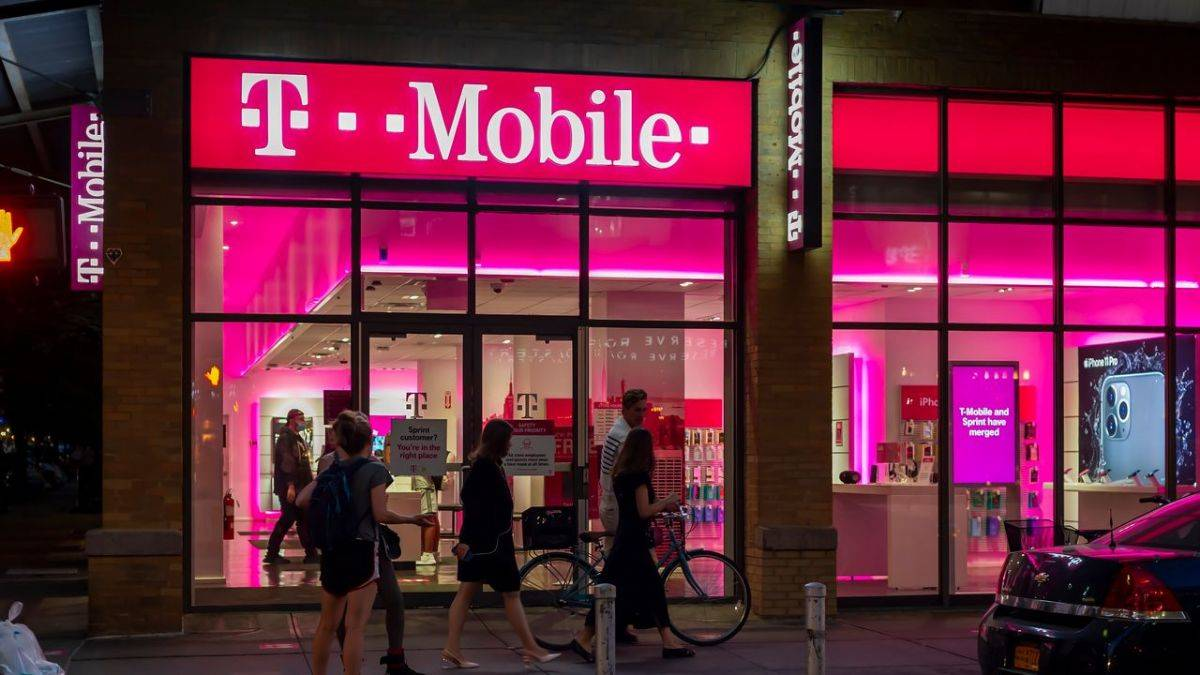
T-Mobile (TMUS.O) has projected robust subscriber growth in 2025, surpassing Wall Street expectations due to strong demand for premium 5G plans. The company’s shares rose over 7% following the announcement.

Key Highlights:

  • Subscriber Growth Projection:
    • Expected postpaid net additions: 5.5M – 6M (vs. 2.7M estimate).
    • Q4 postpaid phone net additions: 903,000 (beating 858,500 estimate).
  • Premium 5G Plan Success:
    • Go5G Next & Go5G Plus plans bundle Netflix, Apple TV+ with high-speed internet.
    • 60%+ of new customers opt for top-tier plans.
  • Competitive Gains & Market Expansion:
    • Holiday promotions and AI-powered iPhone sales attracted switchers from rivals.
    • Growth strategy includes rural markets & fixed wireless access.
  • Financial & Operational Performance:
    • Revenue: $21.87B (above $21.31B estimate).
    • High-speed internet adds: 428,000 (vs. 402,000 estimate).
    • Postpaid churn rate: 0.92% (up from 0.86% in Q3).

T-Mobile’s strong performance caps a solid quarter for U.S. telecoms, with AT&T and Verizon also exceeding subscriber expectations.

Chinese Hack of U.S. Telecoms Compromised More Firms, WSJ Reports

A Chinese cyberattack has compromised more U.S. telecom companies than previously reported, including Charter Communications (CHTR.O), Consolidated Communications (CCII.UL), and Windstream, according to a Wall Street Journal report. Hackers exploited unpatched devices from security vendor Fortinet and compromised routers from Cisco Systems (CSCO.O), infiltrating networks of major firms such as AT&T (T.N), Verizon (VZ.N), Lumen Technologies (LUMN.N), and T-Mobile (TMUS.O).

The attack, linked to the Chinese-backed Salt Typhoon cyberespionage operation, raised concerns about the scale of the breach and the vulnerability of critical infrastructure. U.S. national security adviser Jake Sullivan warned telecom and tech executives that Chinese hackers could potentially disrupt U.S. ports, power grids, and other infrastructure. The affected companies have since secured their networks and worked with law enforcement and government officials to mitigate further damage. However, the hack is a reminder of the growing risks of state-sponsored cyberattacks.