Yazılar

Microsoft to Enforce Three-Day Office Work Policy Starting 2026

Microsoft (MSFT.O) announced on Tuesday that it will require employees to work from office at least three days a week starting in 2026, marking one of the company’s biggest shifts in post-pandemic workplace policy.

Rollout Plan

  • The return-to-office mandate will be introduced in three phases:

    1. Employees near Redmond, Washington headquarters.

    2. Other U.S. locations.

    3. International offices.

  • Staff living within 50 miles of Redmond HQ must comply by February 2026, with timelines for other regions to follow.

Industry Trend

  • Microsoft joins tech giants like Amazon in scaling back remote work flexibility as firms seek to strengthen collaboration and culture.

  • Many companies shifted to remote setups during the pandemic but are now rolling back WFH policies amid productivity and cohesion concerns.

Company Statement

Amy Coleman, Microsoft’s Chief People Officer, said in a blog post that the phased plan is meant to give employees time to adjust while aligning with Microsoft’s long-term vision for a hybrid work model.

U.S. Orders Diplomatic Lobbying Against EU’s Digital Services Act Over Free Speech Concerns

The Trump administration has directed U.S. diplomats in Europe to launch a lobbying campaign opposing the European Union’s Digital Services Act (DSA), citing concerns that the law imposes excessive restrictions on free speech and creates burdensome costs for U.S. tech companies.

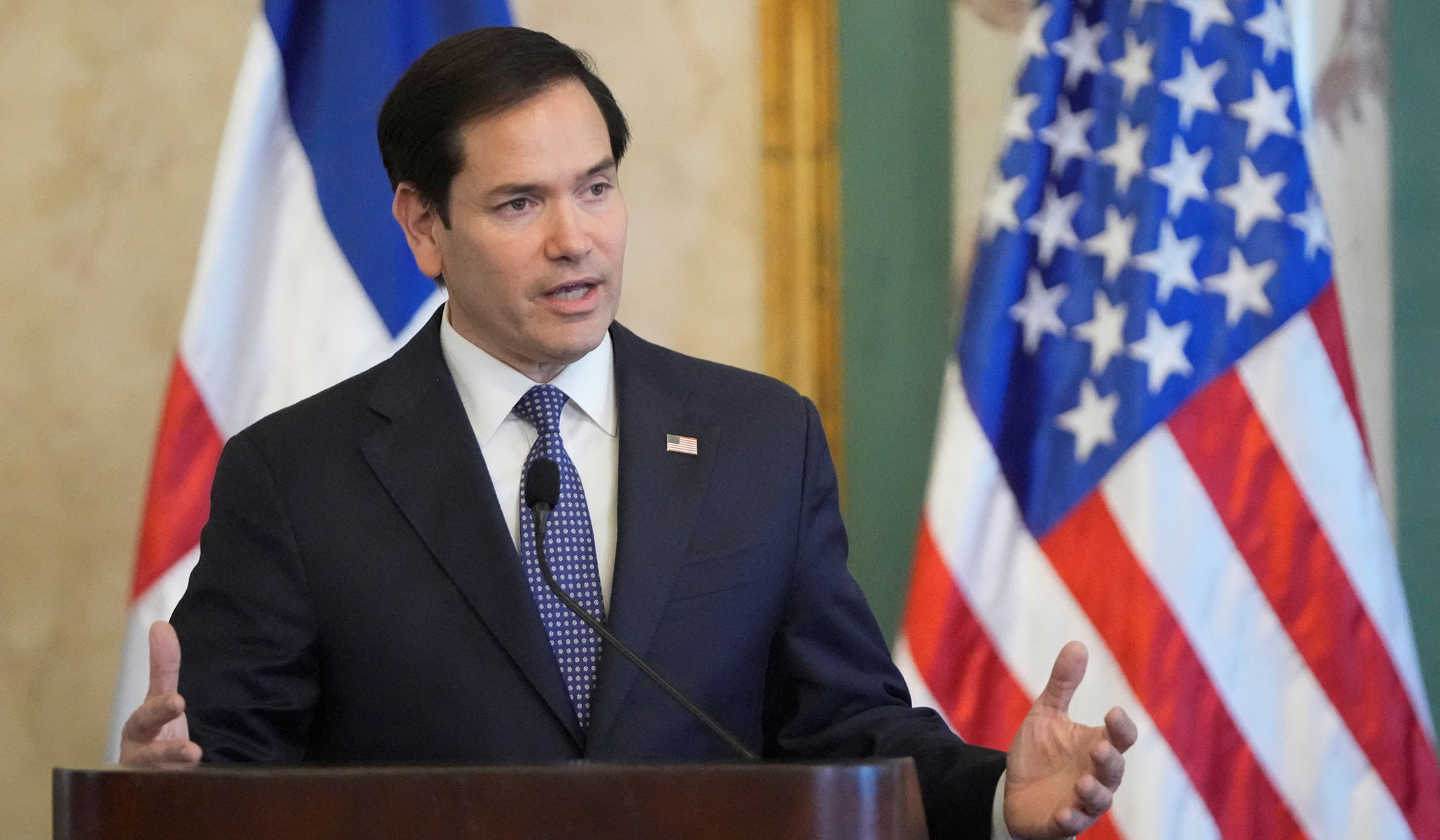
An internal State Department cable dated August 4, signed by Secretary of State Marco Rubio, instructs American diplomats to actively engage with EU governments and digital regulators to build support for repealing or amending the DSA and related legislation. The memo labels parts of the law as “undue” limits on expression under the guise of combating hate speech and misinformation.

The DSA is designed to hold tech companies accountable for illegal content online, such as hate speech and child sexual abuse material. However, the Trump administration views it as an infringement on free speech, especially political and religious expression, and has criticized the EU for what it sees as censorship targeting conservative voices.

Rubio’s directive includes specific talking points urging diplomats to push for narrowing the definition of illegal content, scaling back fines for non-compliance, and reducing reliance on “trusted flaggers” — entities authorized to report illegal content to platforms. It also calls for investigations into censorship cases affecting U.S. citizens and companies, including arrests and online suspensions linked to the DSA.

The European Commission rejects censorship accusations, emphasizing freedom of expression as a fundamental right. It maintains that the DSA aims to keep digital markets open and is not intended to target U.S. companies. EU officials also assert that the DSA and related tech laws are not part of ongoing trade negotiations with the U.S.

The lobbying effort marks an escalation of U.S. efforts to assert its free speech traditions internationally and intensifies tensions with European allies, with previous criticisms from officials such as Vice President JD Vance accusing Europe of suppressing certain political groups.

U.S. tech giants, including Meta and Tesla, have voiced concerns over the DSA. Meanwhile, the U.S. Federal Communications Commission chairman has criticized the law’s compatibility with American free speech norms. Rubio has even threatened visa bans on foreign officials involved in “censoring” Americans.


Google Hires Key Windsurf Executives in $2.4 Billion Deal to Boost AI Coding Efforts

Alphabet’s Google has secured several leading staff members from AI code-generation startup Windsurf as part of a $2.4 billion licensing deal, the companies announced on Friday. The deal grants Google non-exclusive rights to use some of Windsurf’s technology but does not involve Google taking any ownership stake or controlling interest in the startup.

Windsurf CEO Varun Mohan, co-founder Douglas Chen, and members of the startup’s research and development team will join Google’s DeepMind AI division, focusing on advancing agentic coding projects, particularly the Gemini initiative. This move follows months of Windsurf’s discussions with OpenAI about a potential acquisition valued at around $3 billion.

Google praised the acquisition of top AI coding talent, positioning the deal as a strategic win to accelerate innovation in AI-assisted coding tools. Windsurf investors will gain liquidity through the licensing fees while maintaining their stakes in the company.

This deal is part of a growing trend of “acquihire” arrangements in the tech sector, where major companies hire startup teams without acquiring full ownership, often sidestepping regulatory scrutiny. Microsoft, Amazon, and Meta have all engaged in similar deals in recent years, sparking some antitrust investigations.

Windsurf will continue operating independently with most of its approximately 250 employees remaining, and Jeff Wang stepping in as interim CEO, with Graham Moreno appointed as president. The startup plans to prioritize product innovation for enterprise clients going forward.