
Yazılar

Sam Altman Reveals Meta Offered $100 Million Bonuses to Lure OpenAI Talent

OpenAI CEO Sam Altman disclosed that Meta has made massive $100 million bonus offers to some OpenAI employees as part of its aggressive strategy to build out its artificial intelligence capabilities. Speaking on the Uncapped podcast, Altman said Meta is trying to recruit top AI engineers with exceptionally large signing bonuses and compensation packages.

Despite the lucrative offers, Altman noted that none of OpenAI’s key talent have yet accepted Meta’s proposals. The move underscores the intense competition among tech giants to secure leading AI researchers amid a booming AI race.

Meta, which recently invested $14.3 billion in AI data-labeling firm Scale AI and hired its CEO Alexandr Wang to lead a new superintelligence unit, is looking to catch up with rivals like OpenAI and Google. The company has faced challenges including staff departures and delays in releasing open-source AI models.

Altman added that Meta views OpenAI as its “biggest competitor” in the AI space. Reuters could not independently verify the bonus claims and Meta has not commented.
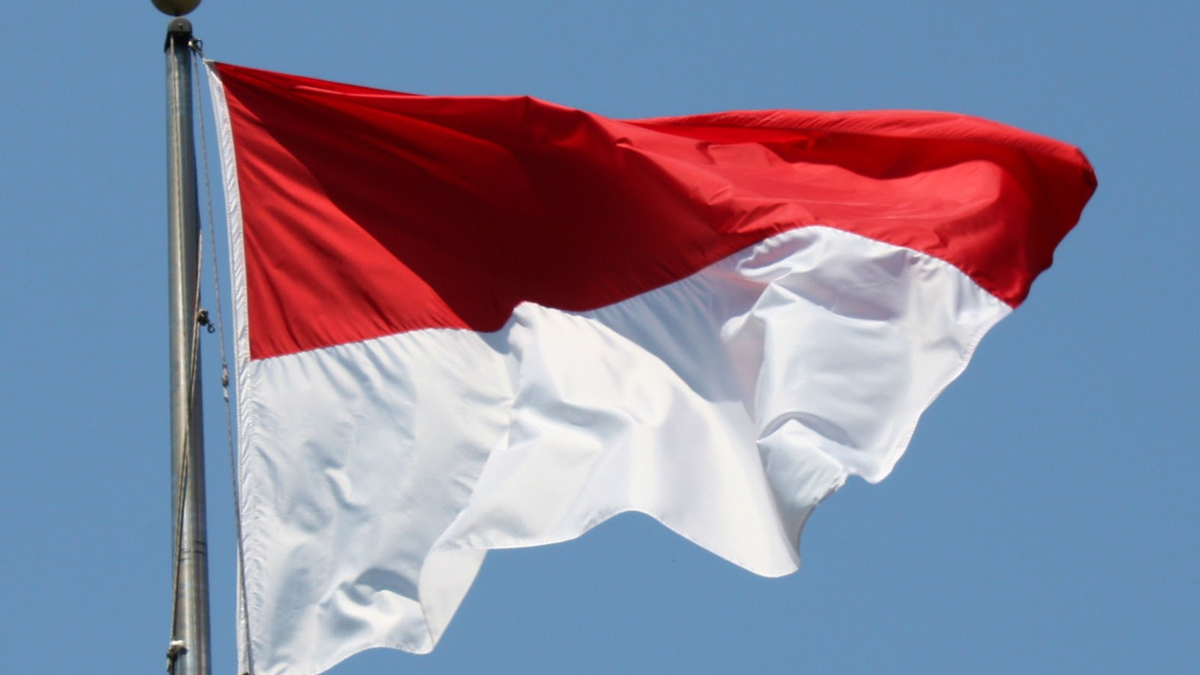

Indonesia’s Sovereign Wealth Fund Explores Stake in Grab-GoTo Merger

Indonesia’s newly established sovereign wealth fund, Danantara Indonesia, is reportedly in early discussions to acquire a minority stake in the potential combined entity formed by ride-hailing and food delivery rivals Grab and GoTo. According to a Bloomberg News report on Friday, the move aims to alleviate concerns within the Indonesian government over Singapore-headquartered Grab’s ownership of the country’s largest tech company.

The deal, which is still in the negotiation phase, could see Grab valuing GoTo at approximately $7 billion. Grab is targeting a deal closure within the second quarter, though recent progress has slowed amid regulatory reviews by Indonesia’s antitrust authority. The regulator began studying potential risks associated with the merger last month to ensure fair competition and address any national security concerns.

Danantara Indonesia, launched in February, serves as Indonesia’s sovereign wealth vehicle and is designed to invest in strategic sectors including metal processing and artificial intelligence. The fund consolidates government stakes in various state-owned enterprises and is modeled after Singapore’s Temasek Holdings, aiming to foster national economic growth and technological advancement.

Neither Grab, GoTo, nor Danantara Indonesia have commented on the talks, but sources close to the matter indicate the discussions continue as stakeholders work through regulatory hurdles.

If completed, the transaction would mark a significant consolidation in Southeast Asia’s tech landscape, potentially strengthening Indonesia’s influence in the regional digital economy while balancing foreign ownership concerns.

Italy Targets Meta, X, and LinkedIn in Landmark Tax Case

Italy has initiated a landmark tax case, issuing VAT claims against Meta, X, and LinkedIn. The case, which could have widespread implications for the tech industry in Europe, challenges how social networks provide services and treat user data as taxable transactions.

Tax Claims Against Tech Giants

Italy’s tax authorities are claiming substantial amounts from the three U.S. tech giants: Meta (887.6 million euros), X (12.5 million euros), and LinkedIn (140 million euros). These claims span from 2015 to 2022, although the immediate focus is on the years 2015 and 2016, for which claims are set to expire soon.

The Controversial Issue: VAT on Free Services

The central issue in the case revolves around the way these companies provide access to their platforms. Italian authorities argue that the act of users registering on Meta, X, and LinkedIn should be considered a taxable transaction since it involves the exchange of personal data for access to membership accounts.

Meta has strongly opposed this view, asserting that providing access to online platforms should not be subject to VAT. LinkedIn and X have remained silent or unavailable for comment on the matter.

Potential Impact Across the European Union

The case could have wider ramifications across the EU, as VAT is a harmonized tax across member states. Experts suggest that the ruling may force tech companies to reconsider their business models, particularly those offering “free” services that require users to accept profiling cookies. This development could potentially extend to other industries, including airlines and publishers, which rely on similar business practices.

The Path Forward: Court or Settlement?

This is the first time that Italy has issued formal tax assessment notices without reaching a settlement agreement. The companies now have 60 days to appeal the claims, after which they may go to court—a process that could take up to 10 years in Italy. Alternatively, the tax authorities could drop the claims for technical or political reasons, or the companies could agree to pay some of the contested amounts while seeking further assessment from the European Commission.