Yazılar

Trump Signs Executive Order to Delay TikTok Ban and Suggests U.S. Government Stake

President Donald Trump signed an executive order on Monday delaying the enforcement of a planned ban on TikTok, which was initially set to take effect on January 19. The order provides a 75-day reprieve for the popular app, sparking legal and political debate over its implications and the U.S. government’s potential role in TikTok’s future.

Key Points:

  • Delay and Executive Order: Trump’s executive order halts the enforcement of a law requiring the Chinese-owned TikTok to either be sold or face a ban. The order directs the attorney general not to enforce the law while Trump’s team evaluates the situation. However, the legal basis of this order is unclear, as it contradicts a law passed by Congress and upheld by the U.S. Supreme Court that mandates the divestiture of TikTok from its Chinese parent company, ByteDance.
  • U.S. Government Stake in TikTok: Trump suggested that the U.S. government could take a 50% stake in TikTok’s U.S. operations, potentially allowing the U.S. to have greater oversight of the app. He further indicated that, if China fails to approve such a deal, the app would lose its value. This statement raised questions about the feasibility and legality of such an arrangement.
  • Political Context and Reversal: This move by Trump marks a reversal from his previous stance in 2020, when he attempted to ban TikTok over national security concerns, fearing that the app could share American users’ data with the Chinese government. More recently, however, Trump expressed support for TikTok, even crediting the app for helping him secure young voters in the 2024 presidential election.
  • China’s Response: China has expressed openness to a potential deal that would allow TikTok to continue operating in the U.S. but emphasized that companies should be allowed to make decisions about their operations independently. The Chinese government’s response leaves open the possibility of negotiations, but it remains to be seen if a deal can be reached.
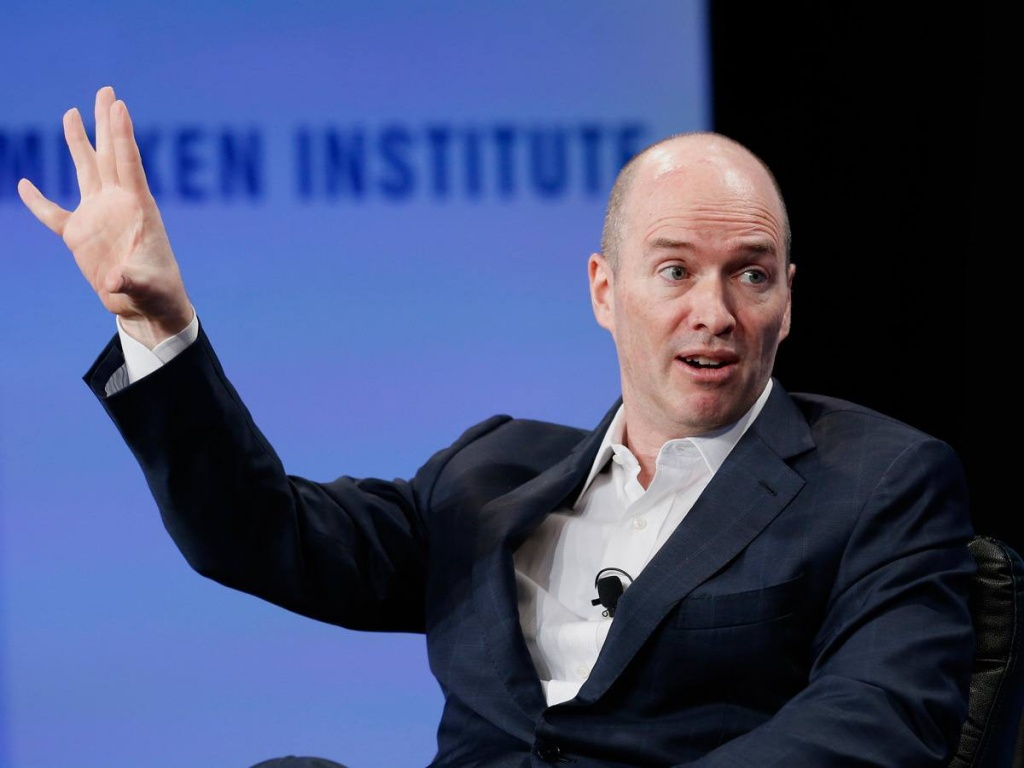
Venture Capitalist Ben Horowitz Pledges Donation to Vice President Kamala Harris’ Campaign

Venture capitalist Ben Horowitz, co-founder of Andreessen Horowitz, revealed plans to donate to Vice President Kamala Harris’ election campaign, despite previously pledging support to Donald Trump’s political action committees. In a letter to employees, Horowitz explained that his donation was driven by a longstanding personal friendship with Harris and her support over the past decade.

Horowitz and his wife, Felicia, have known Harris for over 10 years, and their close relationship motivated them to contribute financially to entities supporting the Harris-Walz campaign, as confirmed by CNBC. This move marks a notable shift after the firm’s earlier financial backing of Trump’s 2024 bid, which was attributed to their focus on defending policies favoring “Little Tech”—a term they use to describe smaller tech companies and startups.

Horowitz’s Letter and Motivation

In his letter, Horowitz updated his employees on his recent political activities. He wrote:
“As I mentioned before, Felicia and I have known Vice President Harris for over 10 years, and she has been a great friend to both of us during that time. As a result of our friendship, Felicia and I will be making a significant donation to entities that support the Harris-Walz campaign.”

While Horowitz expressed confidence in Harris based on their personal conversations, he noted that her team has not yet made clear their official tech policy, meaning Andreessen Horowitz, as a firm, has not altered its broader political stance. The firm has been highly critical of the Biden administration‘s policies regarding startups and cryptocurrency, positioning their political donations primarily in defense of these sectors.

Support for Trump and “Little Tech”

Horowitz’s decision to support both Harris and Trump highlights a complex political balancing act within Silicon Valley’s venture capital community. In July, Horowitz and Marc Andreessen voiced concerns about Big Tech regulation and policies they believed could stifle smaller tech companies and innovation. Their decision to donate to Trump’s campaign was framed around defending these principles.

Andreessen Horowitz has been outspoken in protecting the interests of smaller tech firms, especially in response to the current administration’s regulatory stance on startups and cryptocurrency. They outlined their position in a blog post in July, stating, “Our political efforts as a firm are entirely focused on defending Little Tech. We do not engage in political fights outside of issues directly relevant to Little Tech.”

A Split Political Strategy

Horowitz’s decision to financially back candidates from both major political parties suggests a strategic approach to ensure influence over policies critical to Silicon Valley’s interests. While he acknowledges Harris’ contributions as a personal friend, the firm’s leadership remains focused on advocating for pro-tech policies that benefit their investments in emerging technologies and startups.

This dual-track strategy illustrates the tensions many tech leaders face in navigating the political landscape while protecting the innovation ecosystem they rely on.