Yazılar

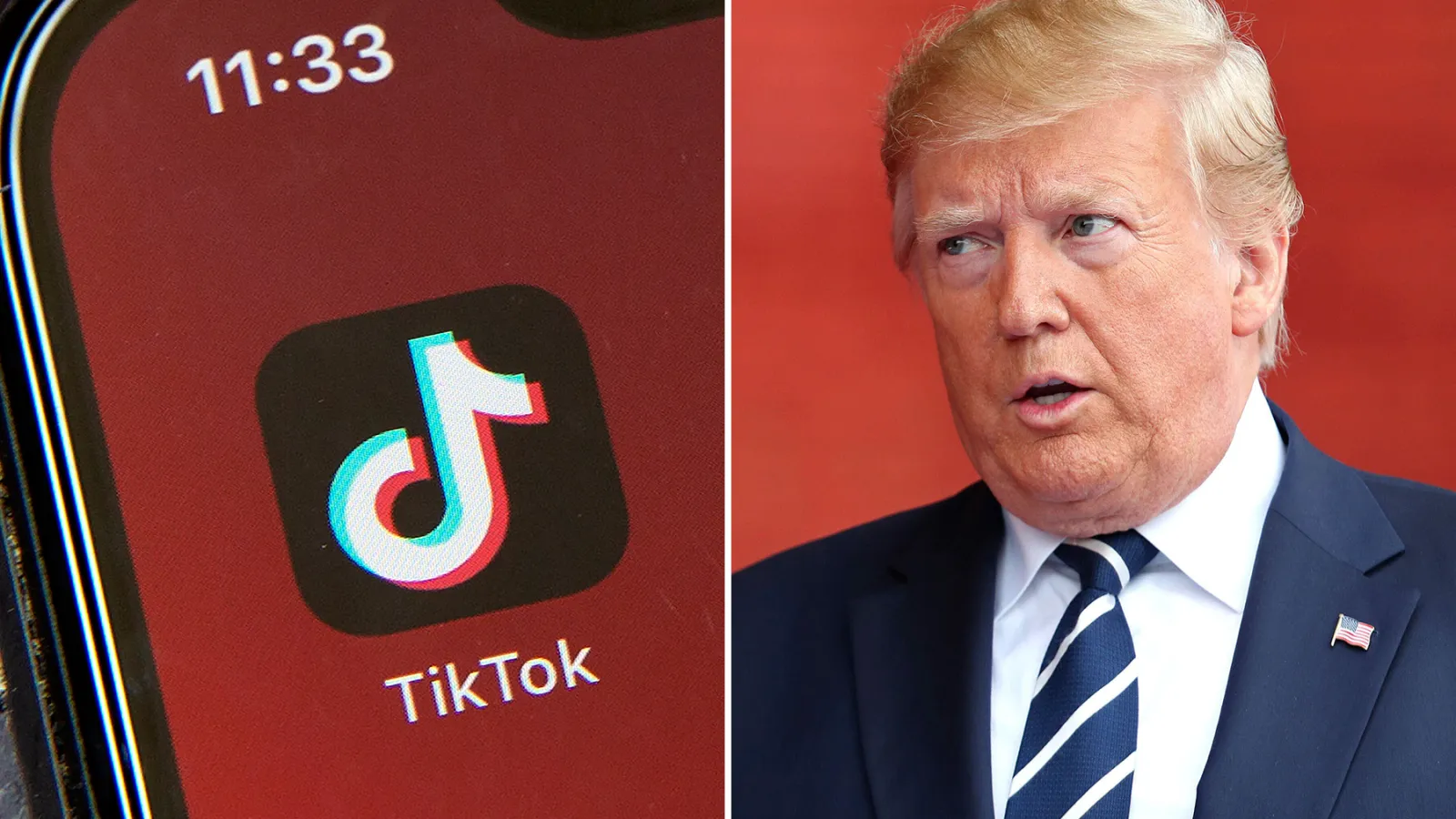
Trump Considers Tariff Reduction to Secure TikTok Deal

U.S. President Donald Trump announced on Wednesday that he may lower tariffs on China as an incentive for ByteDance to finalize a deal to sell TikTok, which is used by 170 million Americans.

ByteDance faces an April 5 deadline under a 2024 law requiring it to divest TikTok’s U.S. operations or face a ban due to national security concerns. Trump indicated he is open to extending the deadline if necessary to facilitate a deal, acknowledging that China must approve any sale.

“Maybe I’ll give them a little reduction in tariffs or something to get it done,” Trump told reporters, suggesting the administration is willing to use trade policy as leverage.

China’s commerce ministry reiterated its position that it seeks negotiations based on “mutual respect, equality, and mutual benefit.” Meanwhile, Vice President JD Vance has expressed confidence that a resolution will be reached by the April 5 deadline.

Reports indicate that White House-led discussions are moving toward a plan in which ByteDance’s largest non-Chinese investors would increase their stakes and acquire TikTok’s U.S. operations. The White House has taken an unprecedented role in the negotiations, acting almost like an investment bank.

TikTok briefly went offline in January after the U.S. Supreme Court upheld the ban, but Trump later postponed enforcement until April 5. He has signaled he could extend the deadline further if needed.

The proposed divestiture has sparked legal challenges from free speech advocates, who argue the ban could violate the First Amendment by restricting access to foreign media.

EU Commission Plans to Reduce Overlap in Tech Regulations, Says Virkkunen

The European Commission is exploring ways to streamline its digital regulations in response to concerns from businesses about regulatory complexity, EU digital chief Henna Virkkunen stated on Thursday. However, she emphasized that key laws like the Digital Services Act (DSA), Digital Markets Act (DMA), and AI Act will not be weakened.

Addressing Business Concerns

Speaking outside a meeting in Amsterdam, Virkkunen acknowledged that companies often struggle with compliance due to overlapping regulations. “It’s often the same company that has to comply with different rules,” she said. The Commission aims to reduce unnecessary bureaucracy, particularly reporting obligations, without compromising the effectiveness of the regulations.

No Compromise on Compliance

Virkkunen reaffirmed that all companies operating in the EU—whether European, American, or Chinese—must adhere to the bloc’s digital laws. She also stressed the importance of consistent enforcement across EU member states rather than introducing additional directives.

Balancing Regulation and Competitiveness

The EU’s strong regulatory stance on tech has faced criticism from both U.S. officials, including former President Donald Trump, and European businesses concerned about over-regulation. Earlier this month, the Commission delayed adopting new climate and sustainability rules amid similar complaints about regulatory burdens affecting the EU’s competitiveness against the U.S. and China.

Virkkunen’s comments signal a potential shift towards simplifying compliance processes while maintaining the EU’s leadership in tech regulation.

Google Pushes Back Against U.S. Government’s Antitrust Efforts

Alphabet’s Google has urged the U.S. government to reconsider efforts to break up the tech giant, meeting with officials from President Donald Trump’s administration last week, according to a source familiar with the matter.

The U.S. Department of Justice (DOJ) is currently pursuing two antitrust lawsuits against Google, focusing on its dominance in online search and advertising technology. The agency has outlined potential remedies, including forcing Google to divest key assets such as the Chrome web browser and ending agreements that make it the default search engine on devices like Apple’s iPhone.

A Google spokesperson confirmed that the company regularly engages with regulators, including the DOJ, to discuss ongoing legal matters. “As we’ve publicly stated, we are concerned that the current proposals would harm the American economy and national security,” the spokesperson said.

The DOJ has not yet commented on the recent meeting. The trial to determine potential remedies in the search case is scheduled for April, with a final ruling expected by August.

President Trump’s administration is expected to take a less aggressive stance on antitrust enforcement compared to former President Joe Biden’s policies. Industry experts suggest that this could include a softened approach toward breaking up Google, a move that has been a key concern for the tech giant.