Yazılar

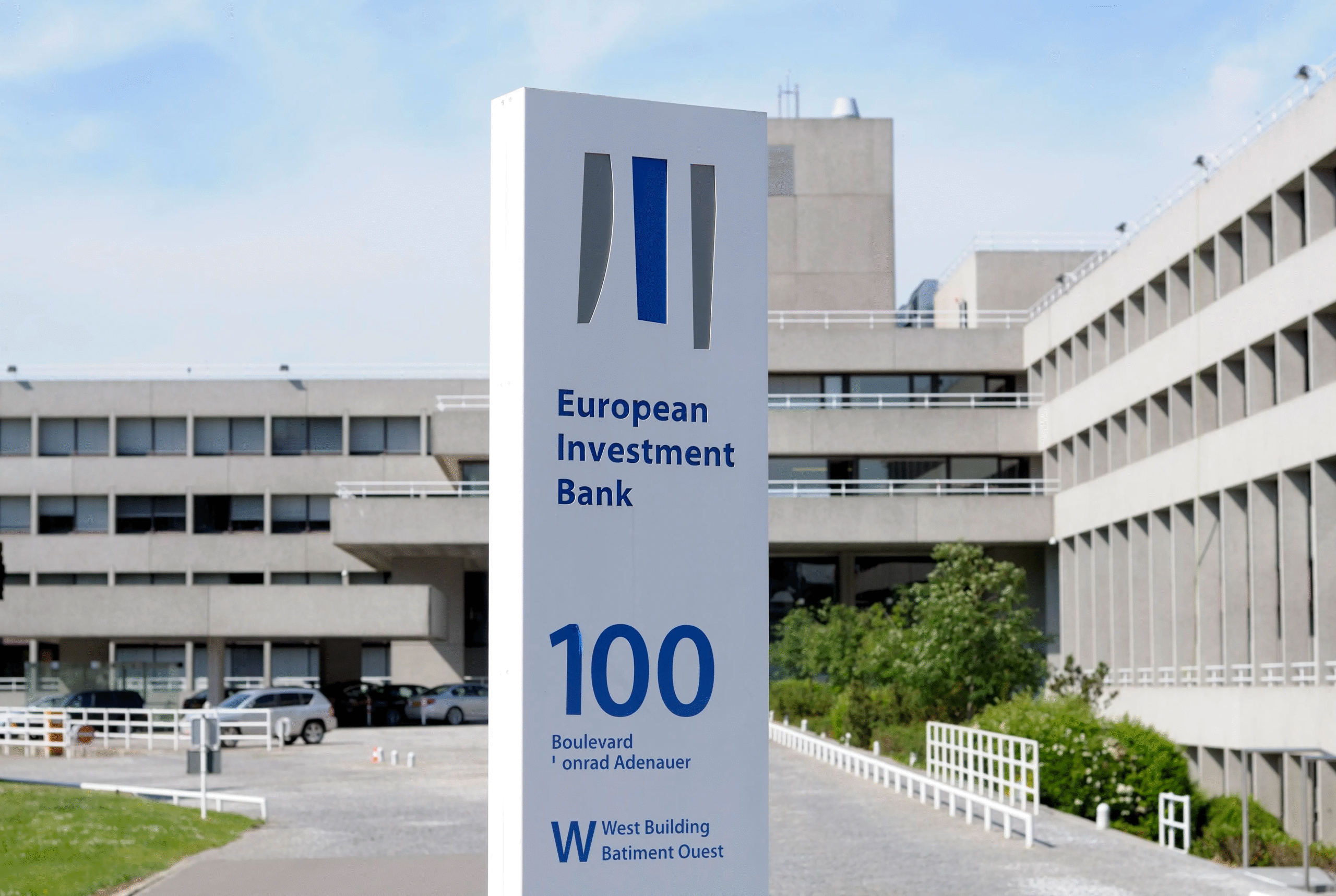
European Investment Bank to Allocate €70 Billion for Tech Sector from 2025 to 2027

The European Investment Bank (EIB) is set to announce plans to invest €70 billion into European technology firms over the next three years, EU officials confirmed. The initiative, called Tech EU, aims to strengthen Europe’s competitive edge against China and the United States in innovative clean and digital technologies.

The EIB, recognized as the world’s largest multilateral lender with a total balance sheet of €556 billion, expects its €70 billion commitment to mobilize an additional €250 billion from private investors attracted by EIB-supported projects.

The allocation breakdown for 2025-2027 includes:

  • €20 billion for equity and quasi-equity investments

  • €40 billion for loans

  • €10 billion for guarantees

This initiative is designed to complement European Commission efforts by supporting high-risk ventures and innovative companies through their entire investment lifecycle—from proof of concept to initial public offering.

Key focus areas for funding include supercomputing, artificial intelligence, digital infrastructure, critical raw materials, green industries such as offshore wind, healthcare, security and defense technologies, robotics, and advanced materials.
German Firms to Submit Separate EU Bids for AI Data Centre, Report Says

Several major German companies — Deutsche Telekom, Ionos, and the Schwarz Group’s IT subsidiary — plan to submit separate bids to the European Union for funding to build an AI data processing centre, according to Germany’s Tagesspiegel newspaper.

The European Commission has announced plans to allocate $20 billion to support the construction of AI data centres aimed at helping Europe catch up with the U.S. and China in artificial intelligence capabilities.

Under the current German government coalition agreement, Chancellor Friedrich Merz’s conservative party and the Social Democrats have prioritized having at least one of these AI centres located in Germany.

In May, Deutsche Telekom revealed it had partnered with SAP, Ionos, and the Schwarz Group to jointly seek EU funding for an “AI gigafactory” — a specialized facility designed to meet the massive computing demands of AI. However, the Tagesspiegel report noted that SAP is no longer involved in the bid.

SAP did not comment on the bidding process itself but said it is not pursuing a role as operator or investor in AI gigafactories. Instead, SAP aims to contribute as a technology and software provider to future AI data centre projects in Germany and Europe.

Ionos told Reuters that the expression of interest being submitted to Brussels this Friday is an initial step, with a formal application planned later this year alongside partners.

The Schwarz Group declined to confirm whether it will submit a separate bid, stating that if a German consortium is formed, all relevant parties will be invited to contribute to creating the fastest, most reliable, and most convincing AI gigafactory.

Deutsche Telekom did not respond to Reuters requests for comment.

EU Nations Push for Faster Progress in Semiconductor Industry

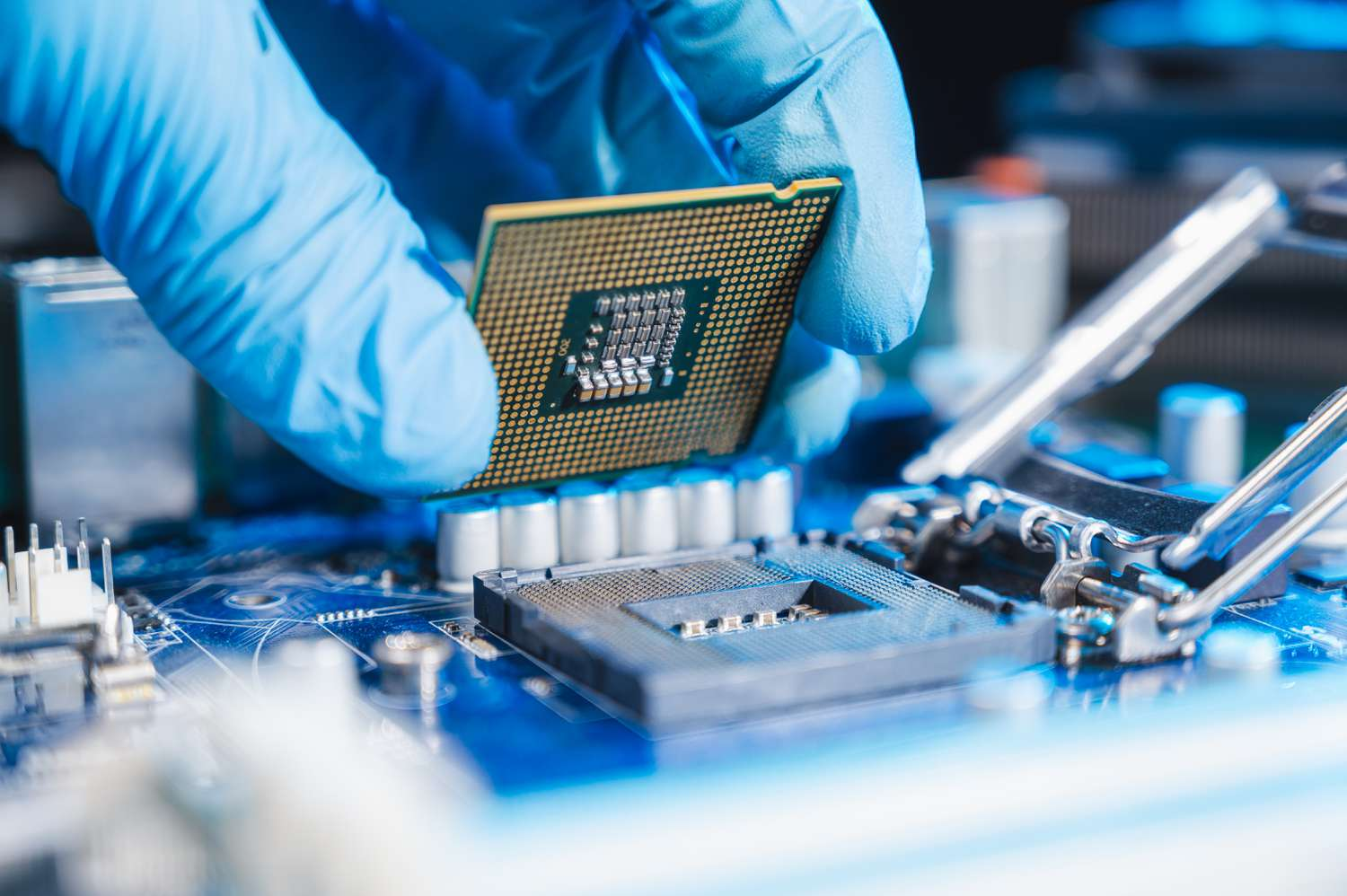
A coalition of nine European Union countries, including Italy, France, Germany, Spain, and the Netherlands, is accelerating efforts to strengthen the EU’s semiconductor industry. The group aims to present proposals for enhancing the sector by summer, according to Dutch Economy Minister Dirk Beljaarts.

The coalition is working on “homework for the new Chips Act,” referring to the potential second EU funding program for the semiconductor industry, following the initial 2023 Chips Act. While the 2023 Act has been credited with preventing the decline of Europe’s chip industry amid larger support programs from the US and China, it has faced criticism for being too slow to meet key goals.

Beljaarts emphasized the need for more targeted funding in the upcoming Act, calling for both private and public investments to support the sector. He also highlighted the importance of ensuring that small and medium-sized companies benefit from this funding. Despite Europe’s strengths in research and development (R&D), he noted gaps in areas like chip packaging and advanced production, particularly after Intel’s decision to shelve plans for a cutting-edge factory in Germany.

The coalition is also exploring internal demand within EU countries to encourage investment from companies, ensuring that it is worthwhile for them to invest in the region.

The European Commission has expressed strong support for the initiative, which aims to complement, rather than undermine, the Commission’s efforts.