Yazılar

Trump Administration in Talks to Take Stakes in Quantum Computing Firms

The Trump administration is in discussions with several U.S. quantum computing companies to acquire equity stakes in exchange for federal funding, according to a Wall Street Journal report citing people familiar with the talks. The proposed deals would represent another instance of direct government investment in strategically important technology sectors.

Companies involved in the discussions reportedly include IonQ, Rigetti Computing, D-Wave Quantum, Quantum Computing Inc., and Atom Computing. Each firm could receive at least $10 million in funding under the plan, with the government becoming a shareholder as part of the arrangement.

The move follows similar interventions, including a proposed 10% federal stake in Intel tied to grant funding, and the Pentagon’s equity position in MP Materials to support rare earth production. Deputy Commerce Secretary Paul Dabbar, formerly an executive in the quantum industry, is said to be leading the negotiations.

The Department of Commerce declined to confirm the talks, while several companies and the White House did not immediately respond to requests for comment. The initiative reflects Washington’s growing push to secure leadership in quantum technologies as rivals such as China ramp up investment in the field.

U.S. lawmaker warns TikTok algorithm licensing deal poses national security risks

A senior U.S. lawmaker raised fresh concerns Thursday over a proposed licensing deal for TikTok’s algorithm as part of the planned sale of the app’s U.S. operations by its Chinese parent company ByteDance, warning that any continued Chinese influence over the technology could threaten national security.

Representative John Moolenaar, chair of the House Select Committee on China, said he is awaiting a formal briefing on the deal, which would reportedly allow the new U.S. owners of TikTok to license the platform’s algorithm from ByteDance.

“I think anytime you have China with leverage over the algorithm, that’s a problem,” Moolenaar said during remarks at the Hudson Institute, adding that the arrangement could leave room for undue influence.

The White House previously said the agreement meets the national security requirements set out in a 2024 law mandating ByteDance to divest TikTok’s U.S. assets or face a ban. President Donald Trump signed an executive order on September 25 approving the sale and granting 120 days to complete the transaction.

Under the proposal, ByteDance would retain less than 20% ownership in the new U.S. entity, with Americans holding the remaining board seats. The algorithm, which drives TikTok’s recommendation system, would be retrained and monitored by U.S. security partners.

Moolenaar, however, expressed skepticism that the algorithm could be fully reprogrammed or separated from its Chinese origins, noting, “It’s still very much a work in progress.”

TikTok did not immediately respond to requests for comment.

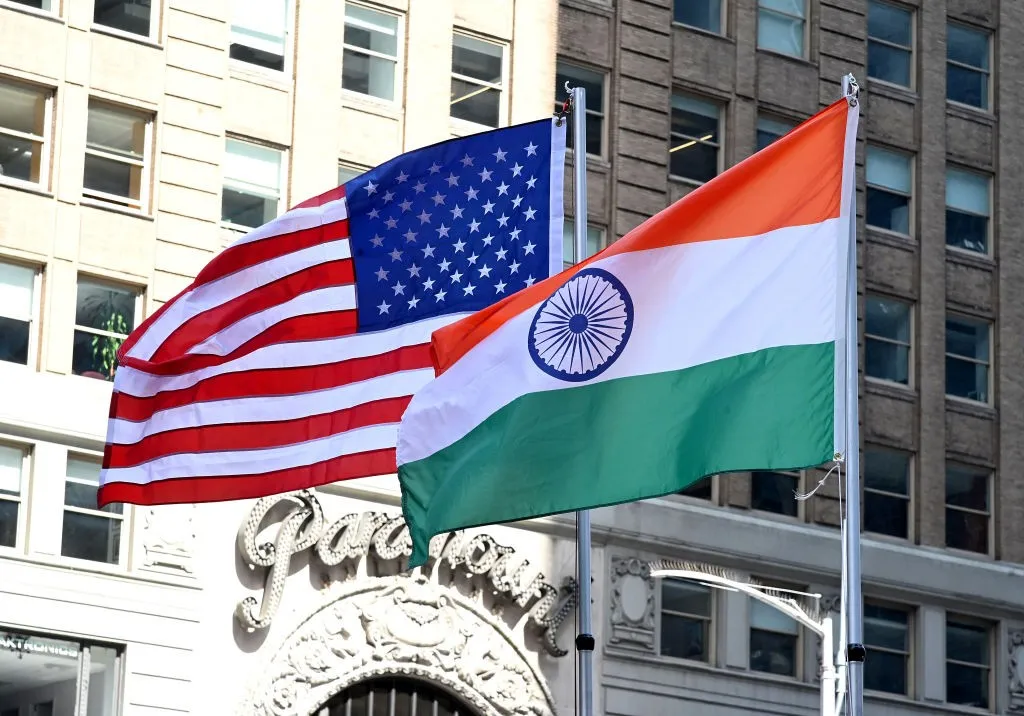
Indian Ministers Promote Homegrown Alternatives to Google, Microsoft Amid Rising U.S. Trade Tensions

Three senior ministers in Prime Minister Narendra Modi’s cabinet are urging Indians to adopt domestic alternatives to U.S. tech giants like Google, Microsoft, and Meta, marking the strongest government endorsement yet of “Made in India” technology amid escalating trade frictions with the United States.

The push follows Washington’s decision in August to impose 50% tariffs on Indian imports, a move that has fueled nationalist calls for economic self-reliance. Modi has since urged citizens to replace daily-use foreign products with “swadeshi” (indigenous) alternatives, aligning the campaign with his broader vision of digital sovereignty.

This week, Information Technology Minister Ashwini Vaishnaw showcased highway project plans using Zoho software—an Indian rival to Microsoft PowerPoint—and MapmyIndia, instead of Google Maps. “The map is from MapmyIndia, not Google Maps,” he said, smiling. “It’s looking nice, right? Swadeshi.

Vaishnaw’s social media video testing Zoho’s software attracted 6.2 million views on X, urging users to support Indian digital tools. Similarly, Commerce Minister Piyush Goyal and Education Minister Dharmendra Pradhan have promoted Zoho’s messaging app Arattai (“chat” in Tamil), calling it a symbol of India’s technological independence. Goyal posted on X, “So proud to be on @Arattai, a #MadeInIndia messaging platform that brings India closer.”

The campaign appears to be paying off: according to Sensor Tower, Arattai downloads surged from under 10,000 in August to over 400,000 in September, with daily active users doubling to 100,000 by September 26.

Still, experts caution that displacing entrenched global brands such as WhatsApp, Google Maps, and Microsoft Office will be difficult. India remains WhatsApp’s largest market, with more than 500 million users, and U.S. platforms dominate both consumer and enterprise software ecosystems.

Dilip Cherian, co-founder of Perfect Relations, warned that “only state patronage will not be enough.” For Indian challengers like Zoho to succeed, he said, they need “a unique differentiating factor, deep pockets, and strong protection against surveillance.”

Zoho’s billionaire co-founder Sridhar Vembu has become a national symbol of tech self-reliance through his rural-based business model, which runs key operations from small villages rather than major tech hubs.

India’s digital strategy increasingly reflects a geopolitical balancing act: promoting technological independence and data sovereignty while maintaining access to U.S. innovation and investment. Whether apps like Zoho and Arattai can sustain momentum without losing the enthusiasm of government boosters remains an open question.