Yazılar

SpaceX acquires xAI in record-setting deal as Musk unifies AI and space ambitions

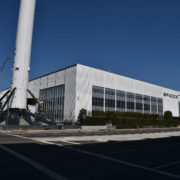
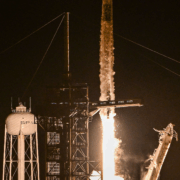
SpaceX has acquired xAI in a record-setting transaction, consolidating Elon Musk’s artificial intelligence and space businesses into a single platform. The deal, first reported by Reuters, values SpaceX at about $1 trillion and xAI at roughly $250 billion, according to people familiar with the matter, making it the largest merger and acquisition transaction on record.

Under the terms, xAI investors will receive 0.1433 SpaceX shares for each xAI share, with some executives able to opt for cash at $75.46 per share. The combined entity is expected to price shares near $527. The tie-up brings together SpaceX’s launch and satellite capabilities, including Starlink, with xAI’s Grok chatbot and AI development, potentially strengthening plans for data centers and AI services delivered from orbit.

The move further integrates Musk’s businesses as he competes with rivals such as Alphabet, Meta, Amazon, and OpenAI. Analysts say the deal could enhance SpaceX’s narrative ahead of a potential public offering later this year, while also raising governance and regulatory questions given SpaceX’s extensive U.S. government contracts.

Apple warns rising memory costs as AI chip demand tightens supply

Apple warned that increasing memory chip prices are beginning to weigh on profitability, as major suppliers shift production toward higher-margin chips used in artificial intelligence systems. Chief executive Tim Cook said market pricing for memory has risen sharply and is expected to have a greater impact in the current quarter, following only limited effects during the key holiday period.

The comments echo recent warnings from South Korean chipmakers Samsung Electronics and SK Hynix, which together dominate the global DRAM market. Both companies have been prioritising high-bandwidth memory used in AI servers, tightening supply of conventional DRAM chips used in smartphones, personal computers, and consumer electronics.

Apple is likely to require more memory components as demand for its latest iPhone models remains strong, particularly in China and India. However, the company declined to say whether higher component costs could translate into increased product prices. Analysts warn that sustained memory shortages could pressure margins across the consumer electronics sector and disrupt supply chains.

Chipmakers have also become more cautious about expanding capacity after years of aggressive investment, limiting the pace at which supply can respond. As AI infrastructure spending accelerates, memory availability for traditional devices is expected to remain constrained, contributing to weaker outlooks for global smartphone and PC shipments in the coming years.

Is ASML nearing a growth ceiling or gearing up for another breakthrough?

Shares of Dutch chip-equipment maker ASML have surged to record levels, reigniting debate among investors over whether the company is approaching its growth limits or entering a new phase of expansion fueled by artificial intelligence demand. The stock initially jumped after strong fourth-quarter results before reversing course, highlighting how stretched expectations around the company have become.

ASML has been one of the biggest beneficiaries of the AI boom, as its extreme ultraviolet lithography machines are essential for producing advanced chips used by companies such as TSMC and Nvidia. Shares are up sharply this month and trade at elevated valuation multiples, reflecting optimism about future growth but also raising concerns that much of the good news is already priced in.

The company’s order backlog stands at nearly 39 billion euros, yet each machine can take up to a year to build, prompting questions about capacity constraints. ASML management has said it does not expect to become a bottleneck for the semiconductor industry, even as customers plan major capacity expansions over the coming years.

Supporters argue that long-term demand from AI, data centers, and advanced manufacturing will continue to drive growth, while skeptics caution that high valuations leave little room for disappointment. The debate underscores ASML’s central role in the global chip supply chain and the fine balance between exceptional growth prospects and lofty investor expectations.