Yazılar

Chinese SUV Test Raises Concerns for US Automakers

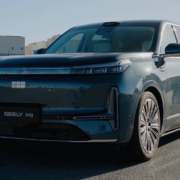
A detailed evaluation by Edmunds of a Chinese SUV has highlighted growing competitive pressure on U.S. carmakers, particularly in technology and pricing.

The vehicle tested, the Geely Galaxy M9 from Geely, is an extended-range hybrid SUV priced at around $25,000 in China. Despite regulatory barriers preventing its sale in the United States, Edmunds conducted a full performance assessment, including real-world driving and a 227-point evaluation.

According to Edmunds’ Editor-in-Chief Alistair Weaver, the M9’s features and technology are “ahead” of many vehicles currently available in the U.S. market. The model includes a large 30-inch infotainment display, advanced in-car entertainment features and premium additions such as a built-in refrigerator and exterior speakers.

Performance metrics also stood out. The M9 offers an estimated range of over 800 miles, combining electric driving with a gasoline-powered generator. It can travel approximately 100 miles purely on electric power, exceeding expectations for similar upcoming models in Western markets.

Edmunds concluded that the vehicle competes with significantly more expensive models such as the Hyundai Palisade, Kia Telluride and Toyota Grand Highlander—despite costing roughly half as much in its home market.

While Chinese vehicles remain largely excluded from the U.S. due to tariffs and regulatory barriers, consumer interest is rising. Surveys indicate growing openness to Chinese brands, with some buyers even exploring indirect import routes via neighboring countries.

The findings underscore a broader industry shift. Chinese automakers, operating in a highly competitive domestic market, are delivering feature-rich vehicles at aggressive price points. This dynamic is pushing global competitors, including Ford and Stellantis, to accelerate development of hybrid and next-generation vehicle technologies.

Analysts warn that if access to such vehicles remains restricted, U.S. consumers could face higher prices and slower innovation compared to global markets.
Taiwan Warns China Targeting Chip Industry Talent

Taiwan’s government has warned that China is intensifying efforts to acquire advanced semiconductor technology and talent from the island as part of a broader strategy to overcome global restrictions on its tech sector.

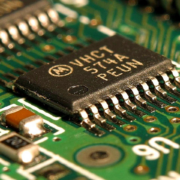
According to a report by Taiwan’s National Security Bureau, Beijing is using indirect methods—including recruitment networks and corporate channels—to access sensitive expertise in artificial intelligence and chip manufacturing. The goal is to secure capabilities such as advanced-process semiconductors and reduce reliance on foreign technology.

Taiwan is home to TSMC, the world’s leading contract chipmaker and a critical supplier to companies like Nvidia and Apple. This makes the island a strategic focal point in the global semiconductor supply chain.

Authorities in Taipei say they have repeatedly uncovered attempts by Chinese entities to recruit engineers and access restricted technologies, prompting strict legal controls to prevent technology transfer. The report also highlights concerns about cyber activity, noting that Taiwan’s government networks faced more than 170 million intrusion attempts in the first quarter alone.

Beyond industrial targeting, the report warns of broader hybrid tactics, including disinformation campaigns, deepfakes and election interference ahead of Taiwan’s upcoming local elections. Military pressure also remains elevated, with hundreds of Chinese aircraft and naval operations recorded near the island in recent months.

The developments reflect the intensifying technological and geopolitical rivalry between China and Western-aligned economies, where semiconductors have become a central battleground. Taiwan maintains that its future will be determined solely by its population, rejecting Beijing’s sovereignty claims.

Nvidia Invests $2 Billion in Marvell to Strengthen AI Ecosystem

Nvidia has invested $2 billion in Marvell Technology as part of a broader strategy to maintain its central role in the rapidly evolving artificial intelligence infrastructure market.

The investment is designed to improve compatibility between Marvell’s semi-custom AI chips and Nvidia’s ecosystem, including its networking technologies and processors. As more companies explore custom silicon to reduce reliance on Nvidia’s high-cost GPUs, the move helps ensure those alternatives still integrate within Nvidia-dominated data center environments.

Marvell specializes in custom chip design and advanced networking solutions, particularly in optical interconnects and silicon photonics — technologies critical for high-speed, energy-efficient data transfer in large-scale AI systems.

Through this partnership, Marvell will provide custom silicon and networking components compatible with Nvidia’s NVLink Fusion architecture, while Nvidia will supply CPUs, network interface cards and interconnect technologies.

The deal reflects a strategic shift: rather than competing directly with all custom chip providers, Nvidia is positioning itself as the foundational platform enabling diverse AI hardware ecosystems.

Major technology firms such as Alphabet and Meta Platforms are expected to collectively spend over $600 billion on AI infrastructure this year, significantly boosting demand for advanced semiconductors and networking hardware.

Following the announcement, Marvell shares rose around 7%, while Nvidia also recorded gains, signaling strong investor confidence in the partnership.