Yazılar

FCC Investigates Chinese Tech and Telecom Firms for Potential Evasion of US Restrictions

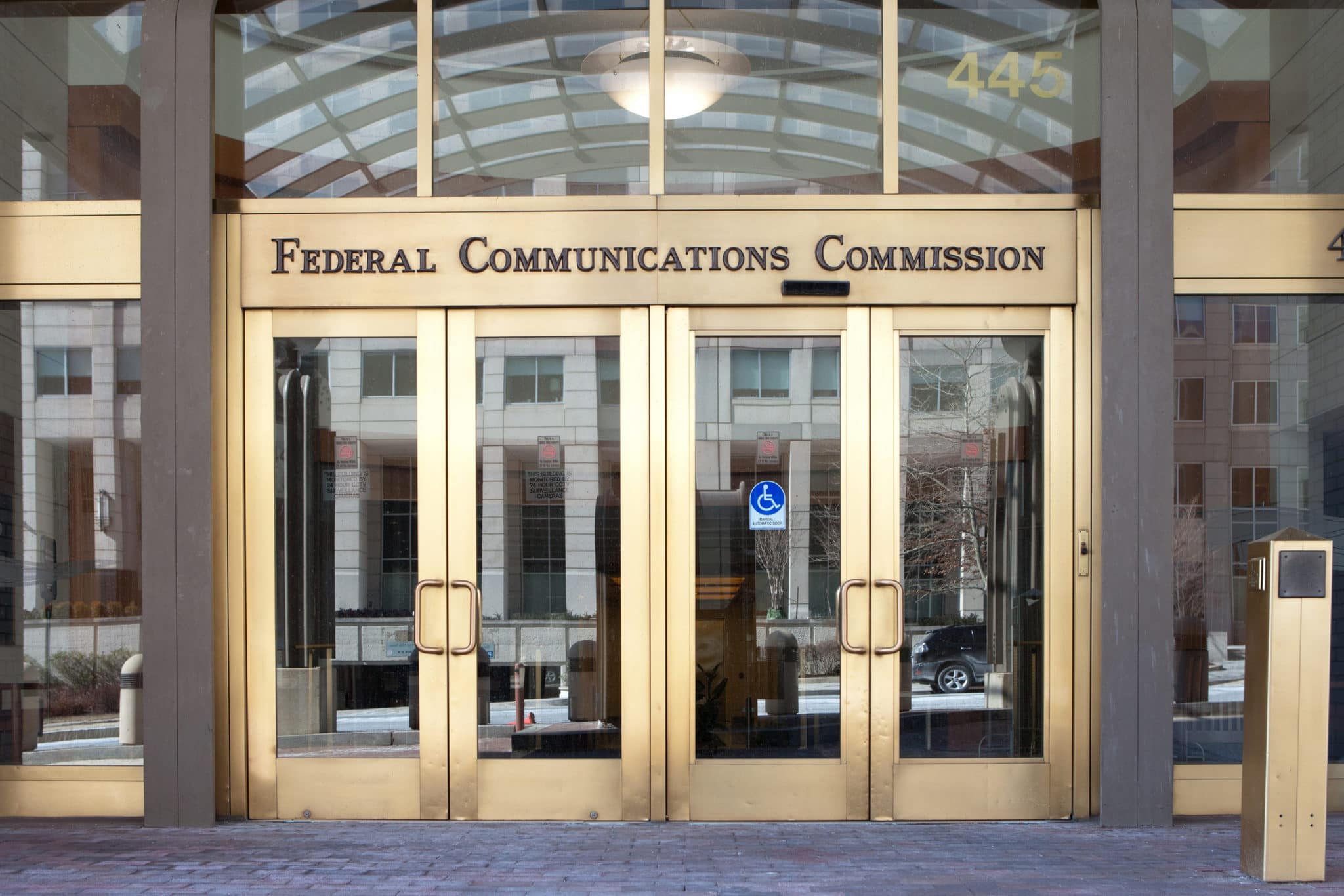
The Federal Communications Commission (FCC) has launched an investigation into nine Chinese companies, including Huawei Technologies, ZTE, Hangzhou Hikvision, China Mobile, China Telecom, and others, to determine whether they are attempting to circumvent U.S. restrictions. These companies are currently listed on the FCC’s “Covered List,” which designates certain communications equipment and services as national security threats.

FCC Chair Brendan Carr stated that the companies may still be operating in the U.S. due to their belief that the FCC’s restrictions do not prohibit certain types of operations. Other companies under scrutiny include Hytera Communications, Dahua Technology, Pacifica Networks/ComNet, and China Unicom (Americas). This investigation is the latest move in a broader U.S. effort to combat perceived national security risks posed by Chinese telecom and technology firms.

The FCC has already barred these companies from providing telecommunications services in the U.S. due to national security concerns. However, Carr expressed concerns that some of the firms may be continuing business in America through private or “unregulated” channels. The FCC is investigating whether these companies are evading the restrictions and is taking steps to close any potential loopholes.

The agency has sent Letters of Inquiry and at least one subpoena to the companies, seeking detailed information about their ongoing activities in the U.S. and any potential assistance from other companies aiding their operations. Last year, the FCC also took steps to enhance the security of the Border Gateway Protocol (BGP) after U.S. agencies accused China Telecom of exploiting BGP vulnerabilities to misroute U.S. internet traffic.

Musk’s Starlink Denies Intent to Take Over FAA Air Traffic Contract

SpaceX, the rocket company owned by Elon Musk, has denied media reports suggesting that its Starlink satellite unit intends to take over any Federal Aviation Administration (FAA) telecommunications contract. On Wednesday, SpaceX clarified that Starlink’s role is to potentially serve as a partial solution to the FAA’s aging system.

“Starlink is a possible partial fix to an aging system. There is no effort or intent for Starlink to ‘take over’ any existing contract,” SpaceX stated on X (formerly Twitter). The company further explained that it is working alongside L3Harris Technologies and the FAA to explore how Starlink could enhance aviation safety by upgrading infrastructure.

The FAA confirmed it is testing Starlink systems at various sites as part of a broader effort to modernize the U.S. air traffic control infrastructure, which has been deemed outdated. The Government Accountability Office (GAO) has warned that about one-third of the FAA’s air traffic control systems are unsustainable and in need of urgent replacement.

The FAA emphasized that it is testing Starlink and other technologies through its Telecommunications Infrastructure program, managed under a contract with L3Harris. While reports have suggested that Starlink could potentially replace Verizon’s existing $2.4 billion contract, the FAA has stated that no decision on the contract’s future has been made yet.

The testing of Starlink at FAA facilities, including those in Alaska, Oklahoma City, and Atlantic City, is part of efforts to improve communication systems and restore reliable access to weather information for pilots.

Transportation Secretary Sean Duffy also highlighted that while Starlink could be a part of the solution, it is not the sole answer to the FAA’s modernization needs.

NEC Considers Bid for Software Provider CSG Systems, Sources Reveal

Japanese technology giant NEC Corp is exploring the possibility of acquiring CSG Systems, a U.S.-based software provider specializing in customer care and billing solutions for telecommunications companies. NEC has been in discussions with its advisers, including investment bankers at Morgan Stanley, about a potential offer for CSG, according to sources familiar with the matter. These sources, who requested anonymity due to the confidential nature of the talks, noted that the discussions are still in the early stages and there is no certainty a deal will proceed. Additionally, another bidder could emerge, or NEC might ultimately decide not to pursue the acquisition.

CSG, which is based in Englewood, Colorado, offers software and business services to telecom providers globally, focusing on areas like revenue management, customer experience, and payments. Its clientele includes major companies such as Comcast, Charter Communications, and Dish TV. News of the potential acquisition discussions led to a 14% jump in CSG’s stock price, bringing it to a 52-week high before some of those gains were pared back.

NEC and CSG both declined to comment on the reports, and Morgan Stanley did not respond to requests for comment. Despite facing challenges in maintaining market share, CSG reported a 3% increase in revenue for its most recent quarter, which reached $295.1 million, largely driven by strong performance in its customer experience and payments segments. CSG’s largest customer, Comcast, which accounts for 20% of its revenue, extended its contract with the company recently.

CSG has been under pressure as telecom giants aim to cut costs while focusing heavily on infrastructure investments for 5G deployment. Additionally, CSG’s chairman, Ron Cooper, announced that he will step down in May, with Marwan Fawaz, a seasoned technology executive, set to succeed him.

Founded in 1899, NEC has transitioned its focus from being the world’s largest semiconductor manufacturer to concentrating on IT services, cloud computing, artificial intelligence, and telecommunications equipment. The company currently has a market value of 3.67 trillion yen ($23.62 billion).