Yazılar

U.S. Adds Tencent and CATL to List of Chinese Firms Allegedly Aiding Beijing’s Military

The U.S. Department of Defense has added Chinese tech giant Tencent and battery maker CATL to its list of companies allegedly working with China’s military, a move that could further escalate tensions between the U.S. and China. The “Section 1260H” list, which designates companies that may pose national security risks to the U.S., now includes 134 firms, with Tencent and CATL being two of the most prominent additions.

Tencent, the parent company of the popular messaging app WeChat, and CATL, the world’s largest electric vehicle battery maker, both rejected the accusations. Tencent called the move a “mistake” and stated that its business would not be affected, hinting at possible legal actions. CATL similarly denied any military-related activities and stated that it was not involved in any defense operations.

While the addition to the list does not directly impose sanctions, it could tarnish the companies’ reputations and heighten scrutiny from U.S. businesses and government entities. Lawmakers have long been critical of Chinese companies’ alleged ties to the Chinese government and its military ambitions.

The Pentagon’s move also affects several other Chinese firms, including drone manufacturer Autel Robotics, shipping giant COSCO, and China’s Commercial Aircraft Corporation (COMAC). U.S. lawmakers, such as John Moolenaar, voiced support for the list, warning that these companies pose security risks.

This development comes as the U.S. continues to tighten restrictions on Chinese firms, with some lawmakers calling for further actions against companies like CATL, which has partnerships with U.S. companies like Ford. Ford plans to license CATL’s battery technology for a new plant in Michigan, raising concerns among some in Congress about the potential security implications.

China, through its foreign ministry, condemned the U.S. sanctions and urged the immediate removal of what it termed “illegal unilateral sanctions.” The U.S. is expected to face increasing pressure from both domestic and international stakeholders as tensions over these designations and broader geopolitical issues grow.

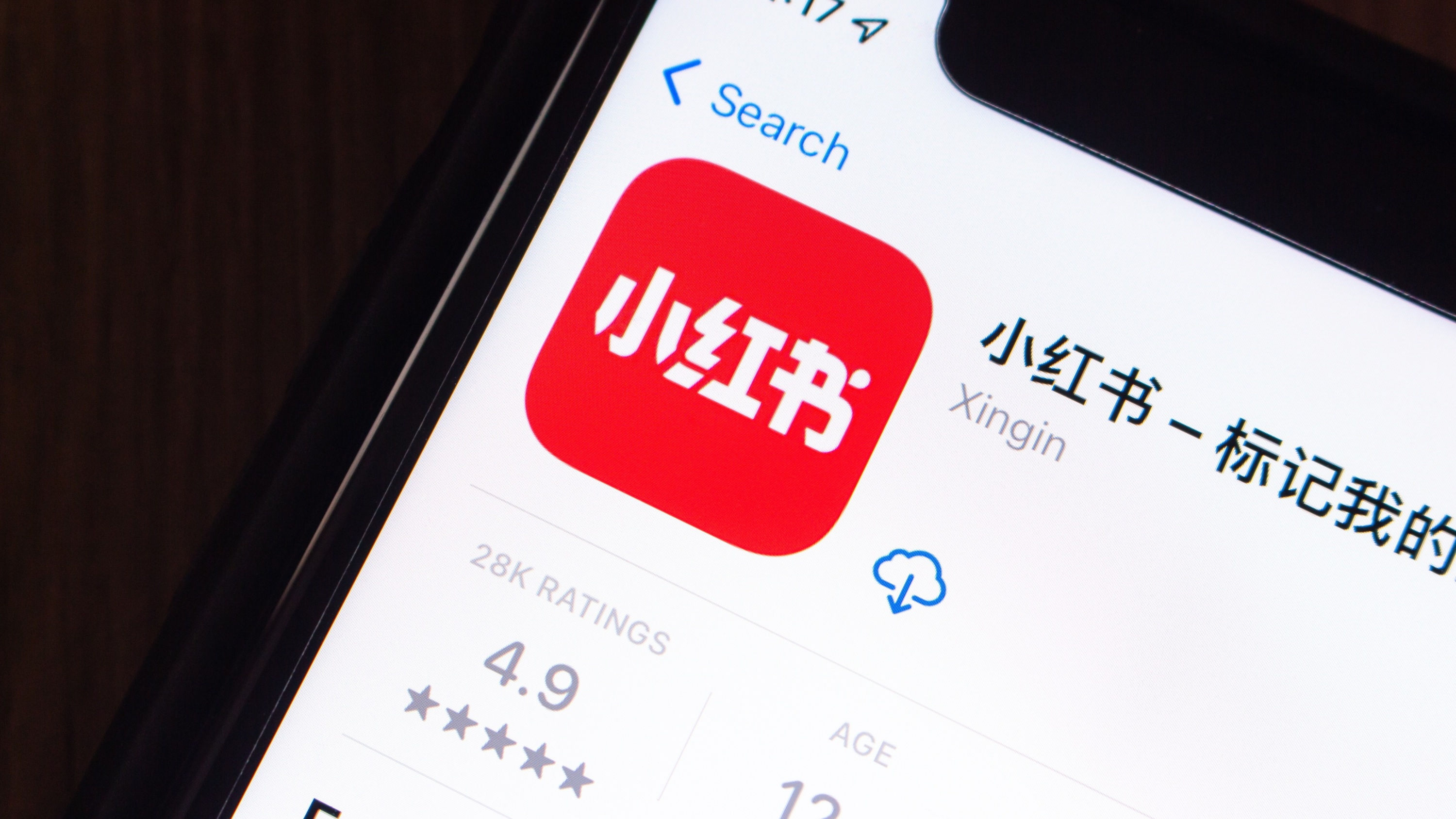
RedNote: What to Know About the Chinese App TikTok Users Are Flocking To

RedNote, the Chinese social media platform that has gained significant attention following a surge of TikTok users flocking to it in light of the potential ban of the short video app in the U.S., is becoming a topic of widespread interest. Known in China as “Xiaohongshu” or “Little Red Book,” RedNote has long been a favorite lifestyle app where users share recommendations and document various aspects of their lives. Here’s an overview of the platform:

What is RedNote?

RedNote is often compared to Instagram in China. It has evolved into a major source for lifestyle content, particularly related to beauty, fashion, food, and travel. The platform’s format is unique compared to TikTok or Instagram, displaying multiple posts (videos, photos, or longer text) simultaneously. Users can engage in discussions, share their own posts, connect through calls, and even purchase products. The app has also been increasing its focus on livestream sales.

As of 2023, RedNote had over 300 million monthly active users, with a large portion of them being young, female Chinese consumers. The app is highly regarded as a key platform for searching trending topics and lifestyle recommendations.

Who Owns RedNote?

Founded in 2013 by Miranda Qu (President) and Charlwin Mao (CEO) in Shanghai, RedNote was originally called “Hong Kong Shopping Guide” and aimed at Chinese tourists seeking shopping advice outside of mainland China. Today, the app is seen as a potential IPO candidate and is backed by investors such as Alibaba, Tencent, Temasek, and various venture capital firms. The personal wealth of RedNote’s co-founders, Mao and Qu, is significant, with their fortunes estimated at $2.5 billion and $1.7 billion, respectively.

Does RedNote Have Global Ambitions?

While RedNote’s primary user base is in China, the recent influx of TikTok users has raised the platform’s international profile. The company has been caught off-guard by this sudden surge of non-Chinese users, many of whom are seeking alternatives in light of TikTok’s uncertain future in the U.S. In response, RedNote is working to adapt its platform by developing English-language content moderation tools and translation features to accommodate global users.

Unlike other Chinese apps such as WeChat and TikTok, RedNote does not have separate versions for international and domestic audiences, which could pose both challenges and opportunities as it seeks to expand globally. The influx of international users is a potential pathway for RedNote to follow in TikTok’s footsteps and achieve similar worldwide popularity.


Xiaohongshu Stake Sale Talks Value Company at $20 Billion

Backers of China’s social media platform Xiaohongshu, a TikTok competitor, are reportedly looking to sell part of their stake in the company, with potential deals valuing it at $20 billion or more, according to Bloomberg News. Key shareholders, including GGV Capital, GSR Ventures, and Tiantu Capital, are in talks with existing investors like HongShan Capital Group and Hillhouse Investment, as well as Tencent, which is considering increasing its stake in the company.

Xiaohongshu, which translates to “little red book,” is similar to Meta’s Instagram in that it allows users to share curated content through photos, videos, and text. The platform has over 300 million users and was valued at $17 billion following its latest funding round in July 2024.

This development comes amid TikTok’s planned shutdown of its U.S. operations, as a federal ban is set to take effect soon. The situation highlights the growing competition between social media platforms in China and internationally.