Yazılar

Zoox Opens Robotaxi Factory, Escalating Rivalry with Tesla and Waymo

Amazon-owned Zoox has officially launched its first robotaxi production facility, signaling a major step toward commercializing its autonomous vehicle service and intensifying competition with industry leaders Tesla and Waymo.

Located in Hayward, California, the new 220,000-square-foot factory is capable of assembling over 10,000 robotaxis per year at full capacity. While Zoox has not disclosed its initial production figures, the move reflects its plans to scale significantly as it prepares for public ride launches.

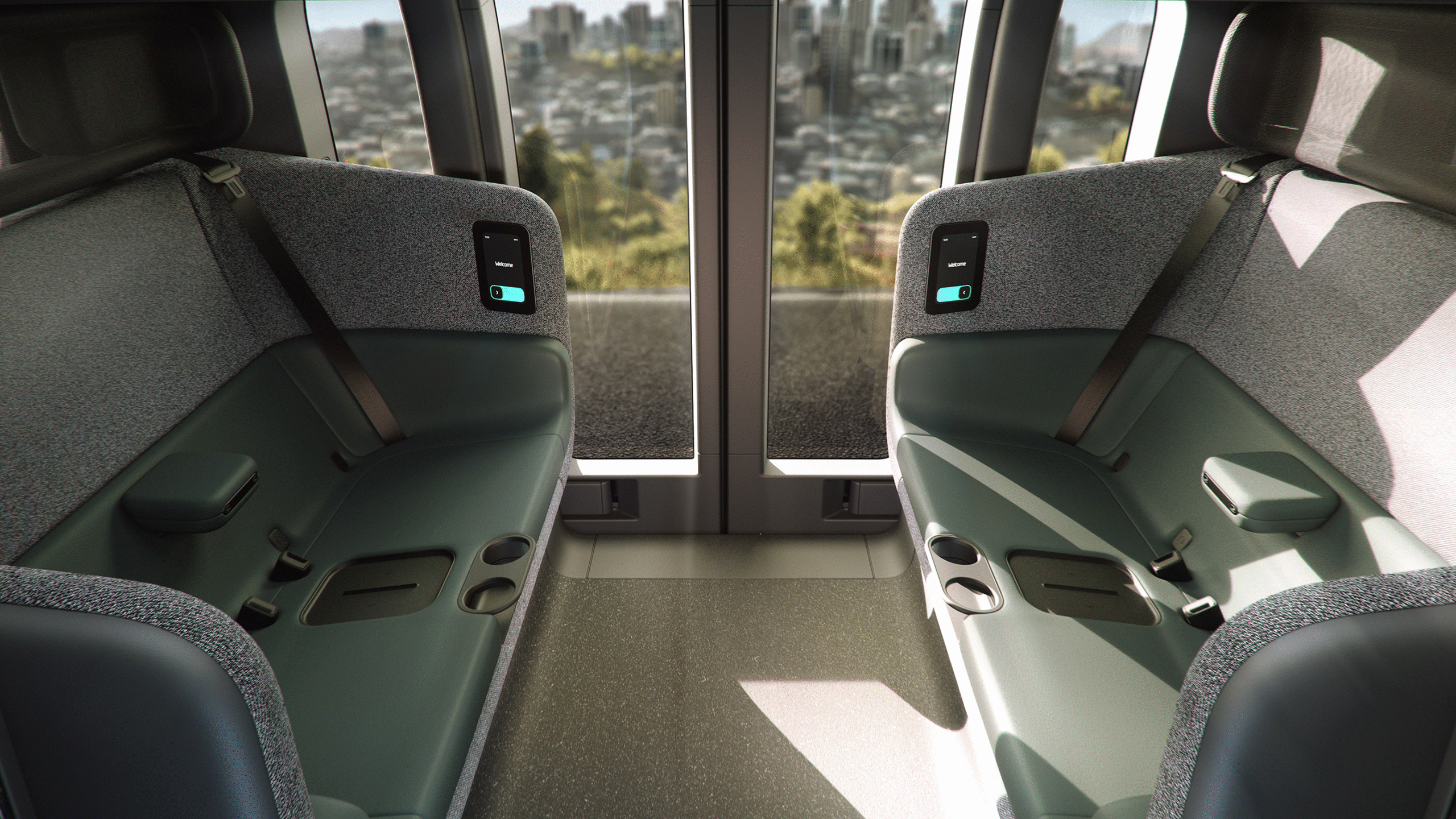
The company is currently testing its fully autonomous, purpose-built robotaxis — uniquely designed vehicles with no steering wheels or pedals — in multiple U.S. cities. It expects to begin commercial operations in Las Vegas later this year, followed by expansion in San Francisco, where it is already operating in the SoMa (South of Market) neighborhood.

“Anticipated public demand and upcoming market entries justify this scale-up in production,” Zoox stated, hinting at more widespread deployments in the coming years.

Zoox’s entry comes at a pivotal moment in the robotaxi race:

  • Waymo, owned by Alphabet, already runs a mature driverless taxi service and is expanding across U.S. cities.

  • Tesla, led by Elon Musk, plans to launch its paid robotaxi service on June 22, using Model Y SUVs with self-driving software, and later a Cybercab—a futuristic, manual-control-free, two-seater vehicle.

Unlike Waymo’s retrofitted models and Tesla’s modified SUVs, Zoox’s vehicles are custom-built from the ground up, resembling compact “toaster ovens” and designed specifically for autonomous operations.

Still, all major players in the space face substantial hurdles. Regulatory constraints, safety concerns, and cost overruns have hampered progress toward full autonomy. Moreover, companies including Zoox, Tesla, and Waymo have been subject to federal investigations and recalls after incidents involving their autonomous systems.

Nevertheless, Zoox’s new production hub marks a bold bet that it can move from limited testing to mass deployment, turning science fiction into a scalable reality.

Waymo Expands Robotaxi Service Across Bay Area and Los Angeles

Alphabet’s self-driving unit Waymo announced on Tuesday that it is expanding its robotaxi operations across more parts of the San Francisco Bay Area and Los Angeles, further cementing its lead as the only commercial robotaxi operator with paying customers in the U.S.

Following a recent greenlight from California regulators, Waymo’s autonomous ride-hailing service will now serve several new cities on the San Francisco Peninsula — including Brisbane, South San Francisco, San Bruno, Millbrae, and Burlingame. In Silicon Valley, it is broadening its reach in Palo Alto and Menlo Park.

In Los Angeles, starting Wednesday, Waymo will operate in:

  • Playa del Rey

  • Ladera Heights

  • Echo Park

  • Silver Lake

  • The full stretch of Sunset Boulevard

While San Jose is included in the regulatory approval, Waymo has not yet confirmed a launch timeline for service in the city.

Industry Context:

This expansion comes as Tesla prepares to debut its own paid robotaxi service in Austin, Texas, intensifying the competition in autonomous mobility. However, Waymo remains the only player operating at commercial scale — with over 1,500 vehicles completing more than 250,000 rides weekly across San Francisco, Los Angeles, Phoenix, and Austin.

As the self-driving sector gains momentum, Waymo’s growing footprint highlights the company’s strategy of incremental but steady expansion, banking on regulatory compliance and real-world data to maintain its edge.

Global EV Sales Jump 24% in May as China Reaches Record High

Global electric and plug-in hybrid vehicle (EV) sales surged by 24% in May year-over-year, according to market research firm Rho Motion. The strong performance was led by China, where monthly EV sales exceeded one million units for the first time this year, driven by robust domestic demand and aggressive export strategies.

Chinese automaker BYD played a key role in expanding EV sales, exporting large volumes to markets such as Mexico, Southeast Asia, and Uzbekistan. “BYD’s exports to Mexico and Southeast Asia, along with Uzbekistan, have significantly boosted sales in these regions,” noted Charles Lester, data manager at Rho Motion.

In Europe, fleet incentives in Germany and strong growth in Southern European markets contributed to a 36.2% rise in EV sales, reaching 330,000 units. However, North America showed more modest growth, with sales increasing just 7.5% to 160,000 units, partly due to the expiration of Canadian subsidies and broader policy uncertainties.

Global automakers continue to face challenges in the U.S., where new 25% import tariffs have prompted several companies to reconsider their 2025 forecasts. Tesla’s Berlin-based Model Y production remains shielded from these tariffs, but the company faces intensifying global competition as production volumes increase worldwide.

Meanwhile, President Donald Trump’s policies on emissions standards and tariff uncertainties have further slowed EV adoption in North America. U.S. tax credits for EVs remain in place but are scheduled to begin phasing out in 2026, adding another layer of hesitation for potential buyers.

By the numbers, global sales of battery-electric vehicles and plug-in hybrids totaled 1.6 million units in May. China’s sales grew over 24% year-over-year to 1.02 million vehicles. Europe recorded a 36.2% increase, while North America lagged with a 7.5% gain. The rest of the world saw a 38% rise, reaching 150,000 vehicles.

Summing up the global picture, Charles Lester stated, “The story this month with global vehicle sales is the continued chasm between Chinese market growth versus the faltering market in North America.”