Yazılar

Tesla Awaits Dutch Decision on Self-Driving Approval

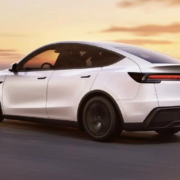
Tesla expects a decision by April 10 from the Dutch vehicle authority on whether its Full Self-Driving technology can be approved in the Netherlands.

The regulator said it is in the final stages of evaluating the system, reviewing test data and safety performance before making a determination. Approval will depend on whether the technology meets strict safety requirements.

Tesla is seeking to expand deployment of its driver-assistance system across Europe, where regulatory approval is a key hurdle. The company has indicated that a broader EU-wide approval could follow later in the year.

The decision is closely watched as it could influence how quickly advanced driver-assistance systems are rolled out across European markets.
Tesla Robotaxi Permits Lag

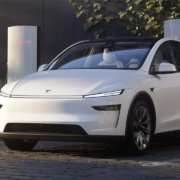
Tesla has continued to signal plans for launching a driverless robotaxi service in California, but regulatory filings show limited progress toward securing the necessary approvals.

State records indicate that the company has not conducted documented autonomous test driving on public roads in recent years. In California, such testing is a required step toward obtaining permits to operate fully driverless ride-hailing services.

Regulators require companies to meet testing benchmarks before advancing to commercial deployment. Tesla currently holds only an initial permit allowing supervised trials with a safety driver present.

The company has instead focused on limited pilot services in other regions with fewer regulatory hurdles.

Industry observers note that California remains a critical market for autonomous mobility ambitions due to its size and regulatory influence.

The situation highlights the gap between development goals and regulatory readiness as companies work toward deploying fully autonomous transportation systems.

Tesla invests $2 billion in xAI, confirms Cybercab production this year

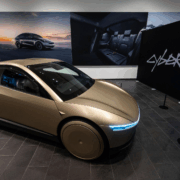
Tesla said it will invest $2 billion in xAI, the artificial intelligence company founded by its chief executive Elon Musk, while reaffirming that production of its Cybercab robotaxi remains on track to begin this year. The move underscores Tesla’s strategic shift from a traditional electric vehicle maker toward an AI- and autonomy-focused business model.

The investment supports Tesla’s push into self-driving technology and robotics, areas central to its long-term valuation. Management said factory investments tied to Cybercabs, humanoid robots, Semi trucks, and the Roadster will drive capital expenditures above $20 billion this year, more than double prior levels. Shares rose after the announcement but pared gains as investors weighed the scale of spending.

Tesla said it will stop selling the Model S and Model X, reallocating factory space to robotics production. While its core EV business remains under pressure from competition and pricing incentives, the company highlighted progress in margins and strong growth in its energy generation and storage segment.

Musk reiterated expectations for broader autonomous deployment, though regulatory hurdles remain for the Cybercab, which is designed without a steering wheel or pedals. Investors are watching rollout milestones closely as Tesla seeks to convert long-promised autonomy into tangible revenue.