Yazılar

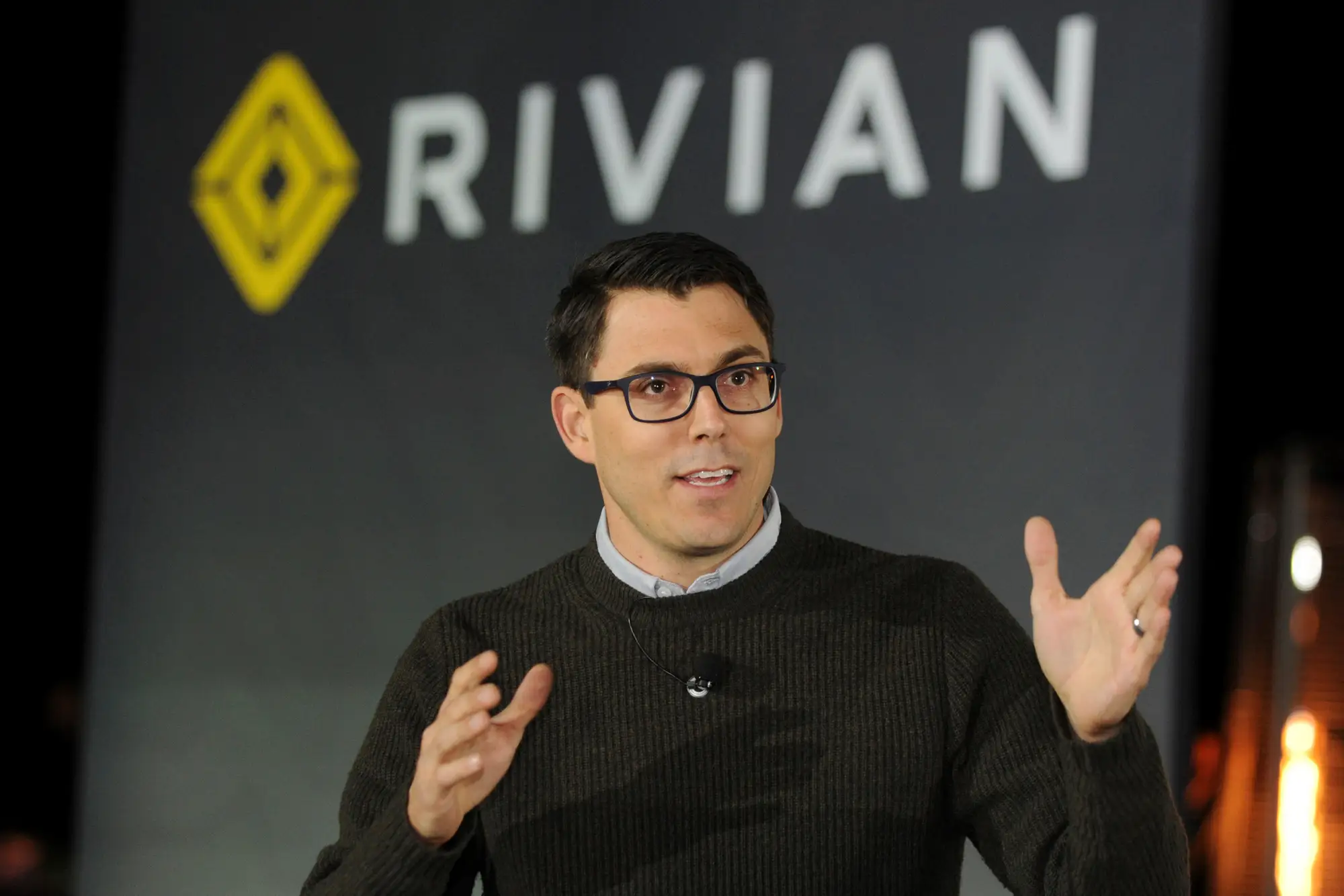
Rivian Awards CEO RJ Scaringe a $4.6 Billion Pay Package Modeled on Musk’s Tesla Deal

Electric vehicle maker Rivian has unveiled a massive $4.6 billion compensation plan for CEO RJ Scaringe, mirroring the structure of Elon Musk’s Tesla pay package. The deal, announced Friday, is one of the largest executive awards in history, tying Scaringe’s payout to ambitious profit and share price milestones over the next decade.

The move signals Rivian’s determination to retain its founder and keep him focused on growth as the company prepares to launch its smaller, more affordable R2 SUV next year — a key model aimed at competing with Tesla’s Model Y.

Rivian said the new plan replaces an earlier one issued in 2021 that was unlikely to be met. The updated package includes options to purchase 36.5 million shares at $15.22 each, vesting if Rivian’s stock hits price targets ranging from $40 to $140 a share over the next ten years. The company’s previous plan required share prices between $110 and $295, thresholds now deemed unrealistic amid market pressures and the removal of EV tax credits that have slowed sales.

The award also introduces operating income and cash flow goals over seven years. Rivian shares closed at $15.22 on Thursday — exactly the strike price for Scaringe’s new options.

“This plan keeps RJ incentivized to scale Rivian efficiently while aligning his success with shareholder returns,” said a company statement.

The EV startup recently laid off 600 employees, or 4.5% of its workforce, as part of cost-cutting efforts. Still, the company insists it is on track to improve profitability and expand production.

Separately, Scaringe was granted 1 million common units in Mind Robotics, a new Rivian spinoff focused on industrial AI technology. He will serve as chairman of its board and could earn up to a 10% stake once the venture turns a profit.
Elon Musk Wins Shareholder Approval for Record $1 Trillion Tesla Pay Plan

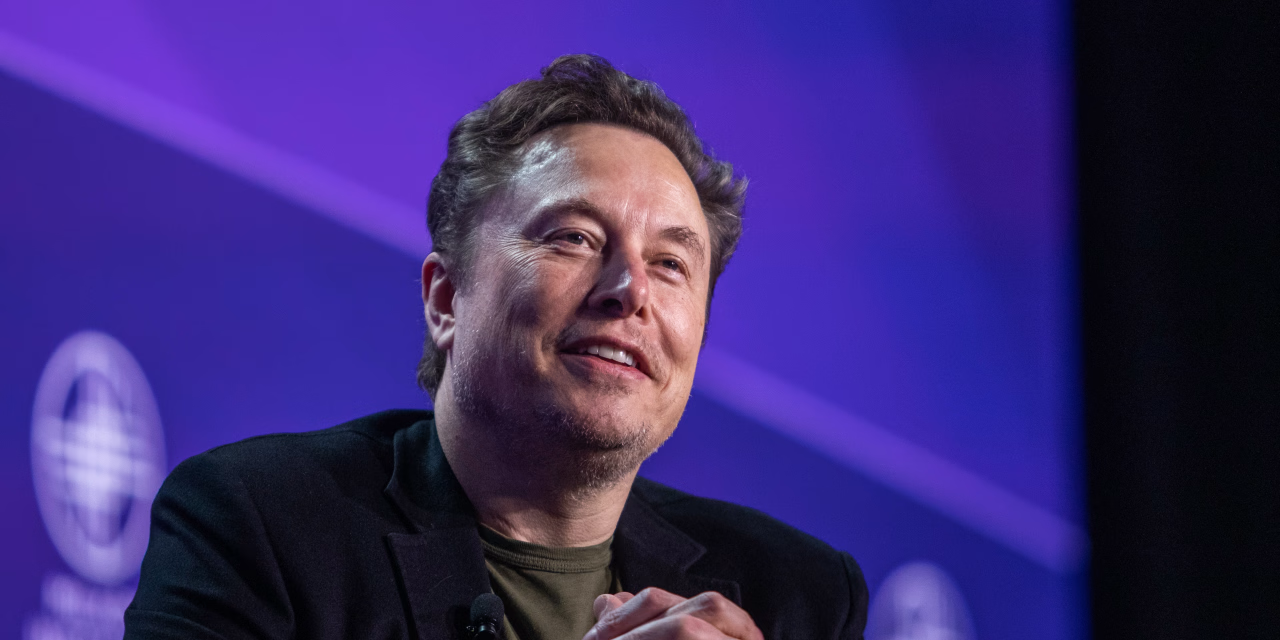
Elon Musk has secured shareholder approval for a record-breaking $1 trillion Tesla pay package, cementing his grip on the company as he pushes to transform the electric vehicle maker into a global leader in AI and robotics.

The plan received over 75% support during Tesla’s annual shareholder meeting in Austin, Texas, where Musk appeared on stage alongside dancing robots, calling the moment “a whole new book” in Tesla’s story.

The approved package could grant Musk up to $878 billion in stock over the next decade, contingent on ambitious performance milestones — including delivering 20 million vehicles, deploying 1 million robotaxis, and generating $400 billion in core profit. Tesla’s market value would need to climb from $1.5 trillion to $8.5 trillion for Musk to unlock the full payout.

The vote follows months of intense debate over Musk’s compensation and influence. The Tesla board warned that Musk could shift his focus to other ventures — such as SpaceX or his AI startup xAI — if shareholders rejected the plan.

“This isn’t just another chapter,” Musk said to cheering investors. “It’s the start of something entirely new.”

Critics, including Norway’s sovereign wealth fund and proxy advisory firms Glass Lewis and ISS, opposed the plan, citing governance concerns and the risk of excessive power consolidation. Yet supporters argued that tying compensation to Tesla’s market success aligns Musk’s incentives with shareholders’.

Shareholders also voted to invest in xAI, though analysts noted that many abstentions signaled caution over potential conflicts of interest.

The approval clears a major uncertainty clouding Tesla’s future and reinforces Musk’s position as both the visionary and lightning rod behind the company’s AI and robotics ambitions.

Tesla Board Warns Shareholders: Approve Musk’s Record Pay Deal—or Risk Losing Him

Tesla’s board of directors has issued its starkest message yet to investors: approve CEO Elon Musk’s nearly $878 billion stock-based compensation package—or risk his departure and a potential collapse in Tesla’s market value. Shareholders are set to vote on Thursday in what is shaping up to be one of the most consequential corporate pay decisions in history.

The proposal ties Musk’s potential payout to Tesla reaching an $8.5 trillion market capitalization over the next decade, a goal that would make him the first CEO in history to earn close to $1 trillion. Even if he falls short of some milestones, Musk would still collect tens of billions in stock awards.

Supporters argue that Musk’s leadership and vision justify the extraordinary package, crediting him with transforming Tesla into a $1.5 trillion company that dominates the electric vehicle sector and is pivoting toward artificial intelligence, robotaxis, and humanoid robots. “If the stock goes up sixfold, I’ll make a fortune too,” said investor Nancy Tengler. “Why should I care what Musk makes if he delivers?”

Critics, however, see the deal as a governance nightmare. The California Public Employees’ Retirement System (CalPERS) and Norway’s sovereign wealth fund have both announced they will vote against it, citing the concentration of power and shareholder dilution. Corporate governance expert Charles Elson said the board was being “held over a barrel by a superstar CEO.”

Board Chair Robyn Denholm has defended the deal, warning shareholders that without Musk, Tesla could “lose significant value.” Harvard professor Krishna Palepu argued that the proposal aligns Musk’s interests with shareholders, as he must achieve substantial growth before collecting the payout.

The outcome may hinge on Musk’s own 15% stake, which Texas law allows him to vote—unlike under Tesla’s prior Delaware incorporation. Critics say this, along with Texas’ new litigation rules that make it harder for investors to sue, stacks the deck in Musk’s favor.

“The board is facing a classic holdup,” said Cornell law professor Charles Whitehead. “They’ve bet the company on one man—and have no plan if he walks away.”