Yazılar

Norway’s $2.1 Trillion Wealth Fund to Vote Against Elon Musk’s $1 Trillion Tesla Pay Deal

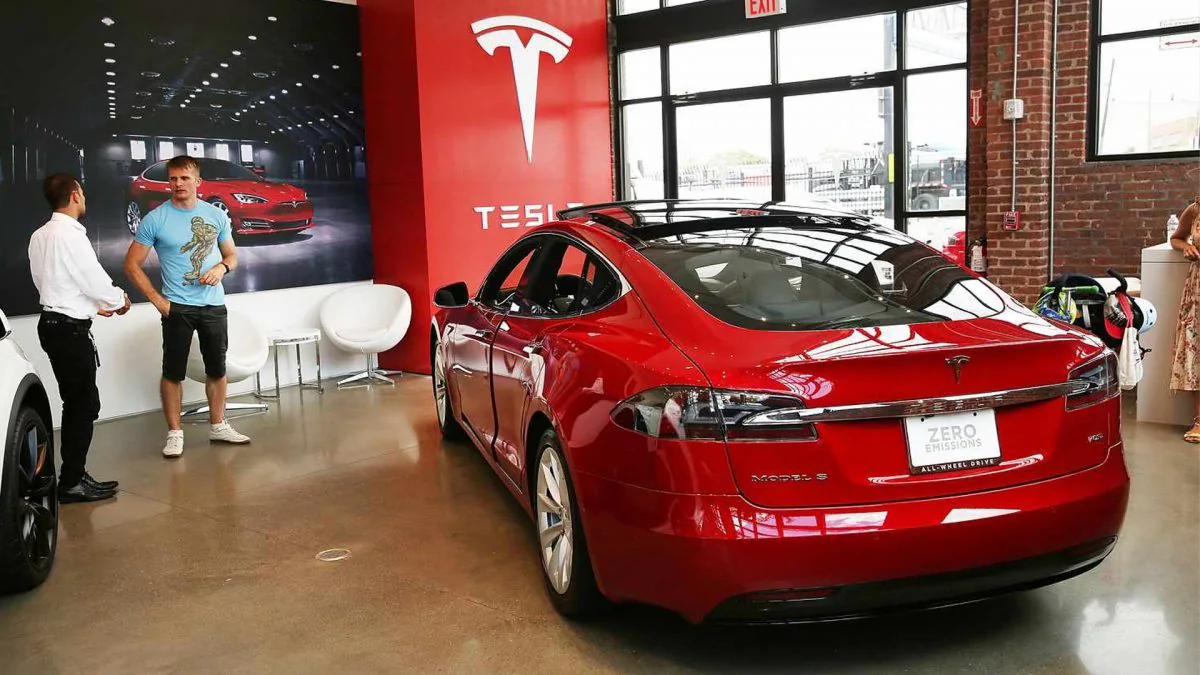
Norway’s sovereign wealth fund, the world’s largest, announced Tuesday that it will vote against Tesla CEO Elon Musk’s proposed $1 trillion compensation package — potentially the largest CEO pay deal in corporate history. The vote will take place at Tesla’s annual general meeting on November 6.

Tesla’s board is urging shareholders to approve the plan, warning that rejecting it could prompt Musk to leave the $1.5 trillion automaker. The proposal, however, has drawn criticism from investors and proxy advisory firms who say the package is excessive and could give Musk disproportionate control.

The Norwegian fund, officially known as Norges Bank Investment Management (NBIM), said while it recognizes the “significant value created” under Musk’s leadership, it is concerned about the award’s overall size, potential shareholder dilution, and Tesla’s heavy reliance on Musk’s role. NBIM also confirmed it would vote against Tesla’s general employee compensation plan and two of three board members up for re-election, including Kathleen Wilson-Thompson and Ira Ehrenpreis.

Musk’s proposed deal would grant him stock awards worth up to $1 trillion over 10 years, though Reuters estimates the actual value after cost deductions could total around $878 billion. The package would only fully vest if Tesla’s market value climbs to $8.5 trillion — roughly six times its current valuation.

Despite opposition from major investors, the pay deal is expected to pass due to broad shareholder support and Musk’s own 13.5% voting stake.

Polestar Faces Nasdaq Delisting Warning as Stock Slumps Below $1

Swedish electric vehicle manufacturer Polestar has received a warning from Nasdaq after its shares fell below the exchange’s required minimum bid price of $1. The notice puts the EV maker at risk of delisting from the U.S. stock exchange unless it can lift its share price within the next six months.

Polestar’s U.S.-listed stock closed at 84 cents on Friday, marking a 20% decline in 2025 after losing more than half its value last year. The company now has until April 29, 2026, to regain compliance by maintaining a closing price of at least $1 for ten consecutive trading days, Nasdaq said. If it fails to meet the requirement, Polestar may be granted an additional 180-day extension.

The company attributed its struggles to mounting competition in the global EV market, where giants like Tesla and China’s BYD continue to dominate. Polestar has introduced discounts and leasing incentives in an effort to boost sales, particularly in Europe, where demand remains relatively strong.

This is the second time Polestar has faced non-compliance with Nasdaq’s listing standards, having previously received a warning last year for delays in filing its annual financial report with U.S. regulators.

STMicro Forecasts Weak Q4 Sales as Automotive Demand Falters

European chipmaker STMicroelectronics projected fourth-quarter revenue below market expectations, citing soft demand from the automotive sector that offset gains in other markets. The company expects revenue of $3.28 billion for the quarter, compared to analyst forecasts of $3.34 billion, according to LSEG data. Shares fell nearly 8%, making STMicro the worst performer on France’s CAC 40 and Italy’s FTSE MIB indexes.

The Franco-Italian firm, which counts Tesla and Apple among its top customers, said weaker sales to a major electric vehicle client — widely believed to be Tesla — weighed on results. CFO Lorenzo Grandi confirmed that lower demand for silicon carbide chips, used in EVs, led to reduced capital spending plans for 2025. STMicro now plans to invest slightly under $2 billion, down from its previous $2–2.3 billion range.

Analysts from JPMorgan described the current semiconductor recovery as “very muted,” despite signs of improvement in imaging sensor and microcontroller sales. STMicro also reiterated that its cost-cutting program remains on track following resistance in Italy.