Yazılar

Tesla’s Annual Deliveries Decline for the First Time Amid Weak Demand and Rising Competition

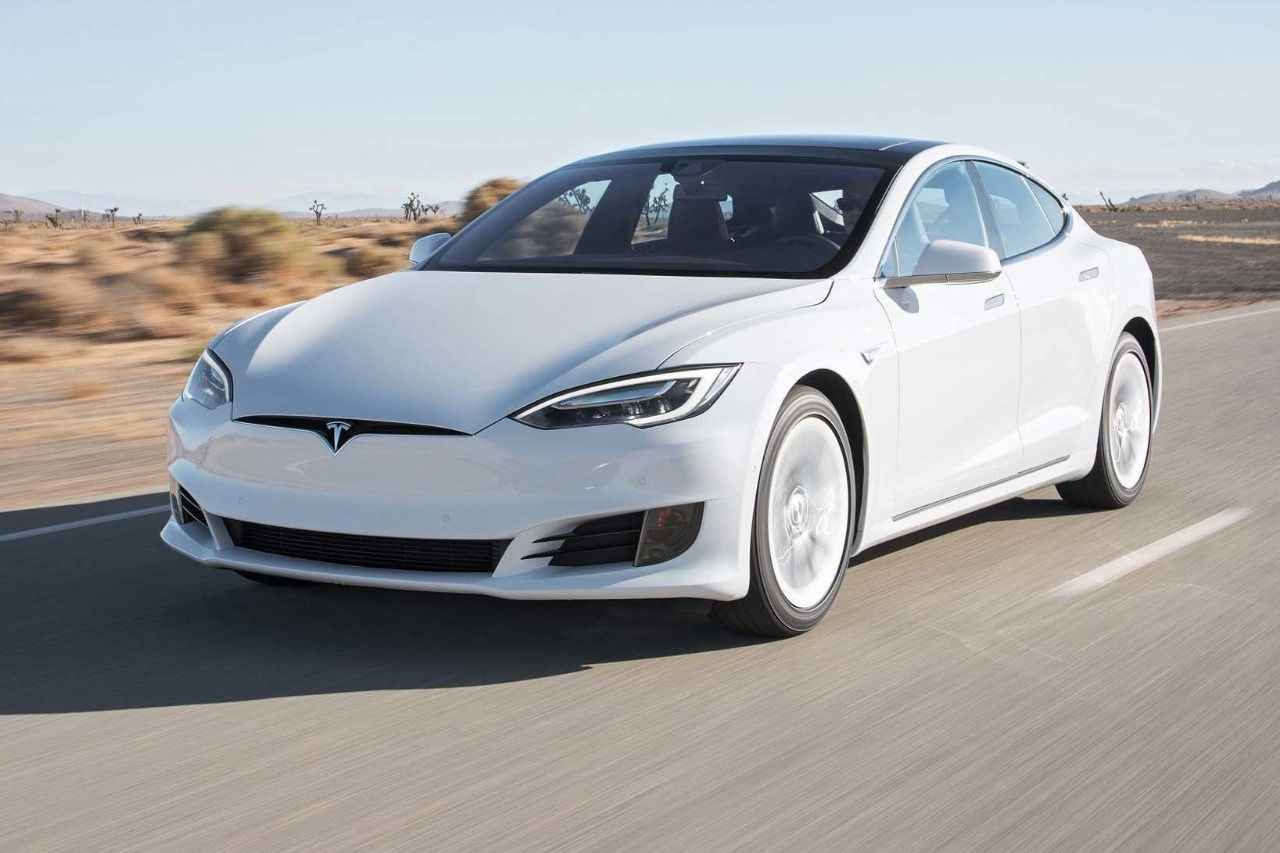
Tesla, the world’s leading electric vehicle (EV) maker, reported its first-ever annual decline in deliveries in 2024, with total deliveries falling 1.1% to 1.79 million units. The decline comes despite CEO Elon Musk’s earlier prediction of “slight growth” and an array of year-end incentives, including interest-free financing and free fast-charging. These efforts failed to counteract high borrowing costs, aging models, and increasing competition, particularly from China’s BYD.

Tesla’s quarterly deliveries in the fourth quarter totaled 495,570 vehicles, missing analysts’ estimates of 503,269 units. The company produced 459,445 vehicles in the same period, down 7% year-on-year. For the year, Tesla delivered 471,930 Model 3 and Model Y vehicles and 23,640 units of other models, including the Model S, Model X, and the newly launched Cybertruck. However, Tesla has not disclosed specific delivery figures for the Cybertruck, which has shown signs of soft demand despite its futuristic design.

Challenges in Global Markets

Tesla faced significant headwinds globally in 2024. Reduced subsidies in Europe, a consumer shift in the U.S. toward lower-priced hybrid vehicles, and tougher competition from Chinese EV makers contributed to the decline. Notably, Tesla’s October registrations in Europe dropped 24%, with Volkswagen’s Skoda Enyaq SUV dethroning the Model Y as the region’s best-selling EV, according to JATO Dynamics.

In the U.S., Tesla’s challenges were compounded by potential policy changes under President-elect Donald Trump. The Trump administration is reportedly considering ending the $7,500 federal tax credit for EV purchases in 2025, a move analysts believe could further slow the adoption of EVs in the country.

Bright Spot: Record Sales in China

China, Tesla’s second-largest market, was a rare bright spot. The company achieved record sales of over 657,000 vehicles in the country, an 8.8% increase from 2023. Aggressive discounts and incentives helped Tesla outperform in the world’s largest auto market, even as global deliveries declined.

BYD, Tesla’s closest competitor, reported a 12.1% rise in global EV sales to 1.76 million units in 2024. BYD’s success was driven by competitive pricing and strong growth in Asian and European markets, intensifying competition for Tesla.

Future Prospects and Musk’s Strategic Shift

With demand for its current lineup nearing saturation, Musk is pivoting Tesla’s focus toward building a self-driving taxi business, a venture he expects to significantly boost the company’s value. However, autonomous driving technology is still years away from full commercialization, leaving Tesla reliant on its upcoming cheaper car models and the Cybertruck to meet its ambitious 20%-30% growth target for 2025.

Musk has also positioned himself as a key ally of the incoming Trump administration, donating millions to Trump’s campaign. Musk plans to use his influence to advocate for federal approval of autonomous vehicles to replace state-specific regulations, which he described as cumbersome.

Investor Reactions and Outlook

Tesla’s shares fell 6% after the announcement of its delivery decline, with analysts raising concerns about the company’s growth trajectory and the market saturation of its current models. Morningstar analyst Seth Goldstein highlighted that slower deliveries reduce Tesla’s potential market for ancillary services like autonomous driving software, charging, and insurance.

Analysts remain cautious about Tesla’s ability to rebound. The company faces intensifying competition, regulatory uncertainty, and the challenge of rejuvenating consumer demand in a slowing EV market.

 

Tesla Achieves Record China Sales in 2024 Amid Global Decline

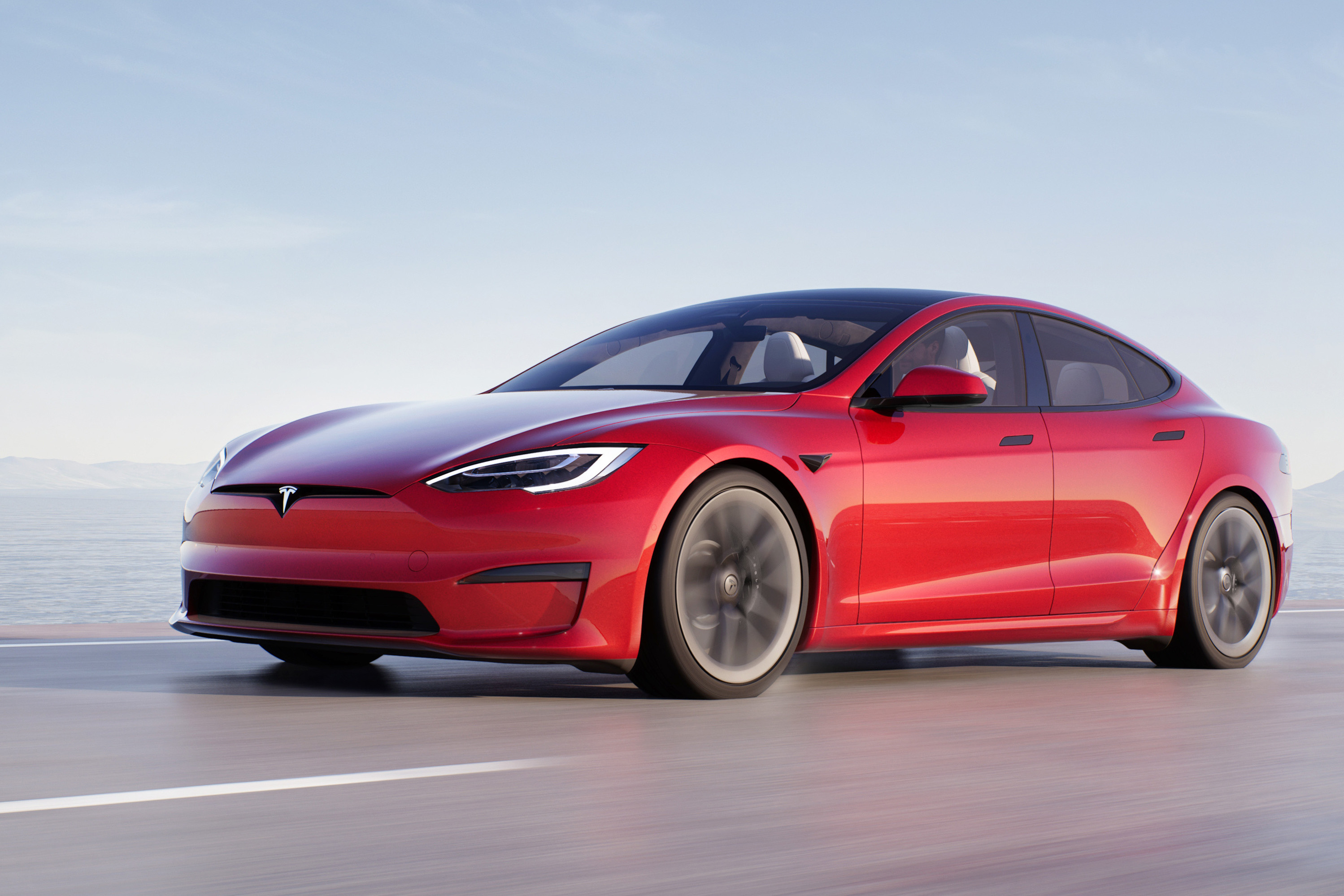
Tesla’s performance in China hit a new high in 2024, with sales rising 8.8% to over 657,000 vehicles, even as global deliveries fell for the first time in the company’s history. In December, Tesla China recorded its highest monthly sales of 83,000 units, marking a 12.8% increase from the previous month. China accounted for 36.7% of Tesla’s total deliveries, solidifying its position as the company’s second-largest market.

Despite Tesla’s strong performance in China, global deliveries slipped by 1.1%, falling short of CEO Elon Musk’s earlier prediction of slight growth. Contributing factors included a 24% drop in exports from China, reduced subsidies in Europe, increased competition from Chinese EV makers like BYD, and a growing U.S. preference for lower-priced hybrid vehicles.

Tesla’s Shanghai plant, the company’s most productive factory, saw a 3.3% decline in sales of its China-made Model 3 and Model Y vehicles, including domestic and export markets. Total exports from China fell to 260,000 units, the lowest since 2021. Exports to Europe were particularly affected by the EU’s subsidy investigation into Chinese EVs, resulting in an October tariff of 7.8% on Tesla cars from China.

China Leads Global EV Growth

China remained the only major market with robust EV growth in 2024, accounting for 70% of global EV and hybrid sales. Over 90% of the increase in global EV sales originated in China, underscoring the country’s dominance in the electric vehicle sector. John Zeng, head of market forecasting at GlobalData, noted that China’s growth starkly contrasts with stagnation or decline in other markets.

Tesla maintained a narrow lead in global sales, delivering 1.79 million cars, just ahead of BYD’s 1.76 million units. However, BYD outpaced Tesla in growth, with a 12.1% increase in EV sales globally and a 41% surge in total passenger vehicle sales, reaching over 4.25 million units. BYD’s overseas sales rose 71.9% to 417,204 units, though it fell short of its 450,000-unit export target due to a 17% EU tariff.

Tesla’s Strategic Adjustments

Amid fierce competition and an ongoing price war in China, Tesla has extended a 10,000-yuan ($1,369.99) discount for loans on its Model Y and offered zero-interest financing for up to five years on some Model 3 and Model Y cars. These incentives aim to maintain Tesla’s competitive edge in a market dominated by aggressive cost-cutting strategies from rivals like BYD.

Challenges and Investigations

Tesla downsized its global workforce in response to declining demand and heightened competition. Similarly, BYD faced challenges, including an investigation by Brazilian authorities into the working conditions of Chinese laborers at a construction site for a BYD factory in Brazil. Nearly 20% of BYD’s overseas sales came from Brazil, highlighting its importance as a growing market despite these setbacks.


S&P 500 Rises 1% on Christmas Eve, Tech Stocks Drive Gains: Live Updates

The U.S. stock market saw a strong performance on Christmas Eve, with the S&P 500 gaining 1.1% to close at 6,040.04. The Dow Jones Industrial Average also rose by 0.91%, adding 390.08 points to reach 43,297.03, while the Nasdaq Composite climbed 1.35% to finish at 20,031.13. A significant contributor to the Nasdaq’s rise was a 7.4% increase in Tesla’s stock price, alongside gains in Amazon and Meta Platforms, which each rose over 1%.

The New York Stock Exchange closed early at 1 p.m. ET, and the bond market followed suit, closing at 2 p.m. The market will remain closed on Wednesday for Christmas Day.

Tuesday’s gains marked the beginning of the “Santa Claus rally,” a seasonal trend in which the market tends to see stronger performance during the last five trading days of the year and the first two days of January. Historical data from LPL Research shows that since 1950, the S&P 500 has averaged a 1.3% return during this period, far outpacing the typical seven-day return of 0.3%.

Despite the upbeat performance, experts advise caution. Paul Hickey, co-founder of Bespoke Investment Group, mentioned on CNBC’s “Squawk Box” that while the market shows positive momentum, it’s important to temper enthusiasm, as the market has already rallied significantly.

Over the past two days, the S&P 500 has gained 1.8% for the week, with the Dow up about 1%. The Nasdaq has surged 2.3% week-to-date, fueled by strong gains in megacap tech stocks. Additionally, the S&P 500 has turned positive for the month, rising by 0.1%. The tech-heavy Nasdaq has seen an impressive 4.2% increase in December, with major players like Google’s parent Alphabet up 16%, Apple up nearly 9%, and Tesla soaring by about 34%. However, the blue-chip Dow remains down by around 3.6% for the month, on track for its worst monthly performance since April.

On the corporate front, American Airlines experienced fluctuations in its stock price on Tuesday after the airline temporarily grounded all flights in the U.S. due to a technical issue during one of the busiest travel days of the year. Despite the disruption, the stock ended the session up 0.6%.

In other retail news, analysts at Jefferies expressed optimism about toy sales this holiday season. Their store checks indicated high traffic and lower inventory levels compared to earlier in the season. Board games, in particular, were reported as strong sellers both in-store and online. Jefferies also noted that discounts were lower than the peak Black Friday levels.

In the toy sector, Mattel and Hasbro stocks showed mixed results. While Mattel’s shares are down over 5% year-to-date, Hasbro has seen a more significant gain of 11%. However, Hasbro has faced recent declines, with its stock down nearly 13% month-to-date, while Mattel’s shares have fallen 6%.