
Yazılar

Nvidia Dominates Retail Investment in 2024 Amid AI Boom

Retail investors have propelled Nvidia to unprecedented heights in 2024, making it the most-bought equity of the year. With artificial intelligence becoming integral to daily life, individual traders have flocked to the chipmaker, seeing it as a key beneficiary of the AI revolution. This trend is exemplified by 25-year-old Michigan investor Michael MacGillivray, who has invested thousands of dollars in Nvidia shares this year, saying, “Whenever you look at AI, it’s like all roads lead to Nvidia.”

Data from Vanda Research indicates that everyday investors have poured nearly $30 billion into Nvidia in 2024, almost double the net inflows into the SPDR S&P 500 ETF Trust (SPY) and far surpassing Tesla, last year’s retail favorite. Nvidia’s meteoric stock rise—up more than 180% this year—has pushed its market capitalization past $3 trillion, making it the second-most valuable company in the U.S.

The stock now accounts for over 10% of the average retail investor’s portfolio, up from 5.5% at the start of the year. This represents an 885% increase in retail inflows compared to three years ago, underscoring Nvidia’s growing appeal among everyday traders. Investors like Genevieve Khoury, a social media marketer in Los Angeles, see Nvidia as a long-term play. Khoury, who started investing in 2022 based on her father’s advice, plans to use her gains for major purchases in the future, saying, “I’m just holding it.”

Retail enthusiasm for Nvidia has been particularly strong around earnings reports, with inflows spiking during those periods. While the stock’s rapid price growth has cooled recently, experts like D.A. Davidson’s Gil Luria believe Nvidia has reached more sustainable levels, maintaining its leadership in AI and innovation.

Nvidia’s popularity has extended beyond digital trading platforms, with events like a New York City watch party for its earnings report further showcasing its influence. However, some analysts note that Nvidia lacks the cult-like CEO figure—such as Elon Musk of Tesla—that often galvanizes retail investors.

Looking ahead, other companies like Palantir are gaining traction among individual traders. Palantir’s stock has risen nearly 380% in 2024, and its CEO Alex Karp has openly acknowledged the role of retail investors in the company’s success. Investors like Khoury are now diversifying into names like Palantir, hoping to replicate Nvidia’s phenomenal performance.

Despite its recent volatility, Nvidia remains a testament to retail investors’ growing influence in shaping market trends, solidifying its status as an AI powerhouse and an investment darling in 2024.
 

House Democrats Accuse GOP of Caving to Musk in Funding Bill

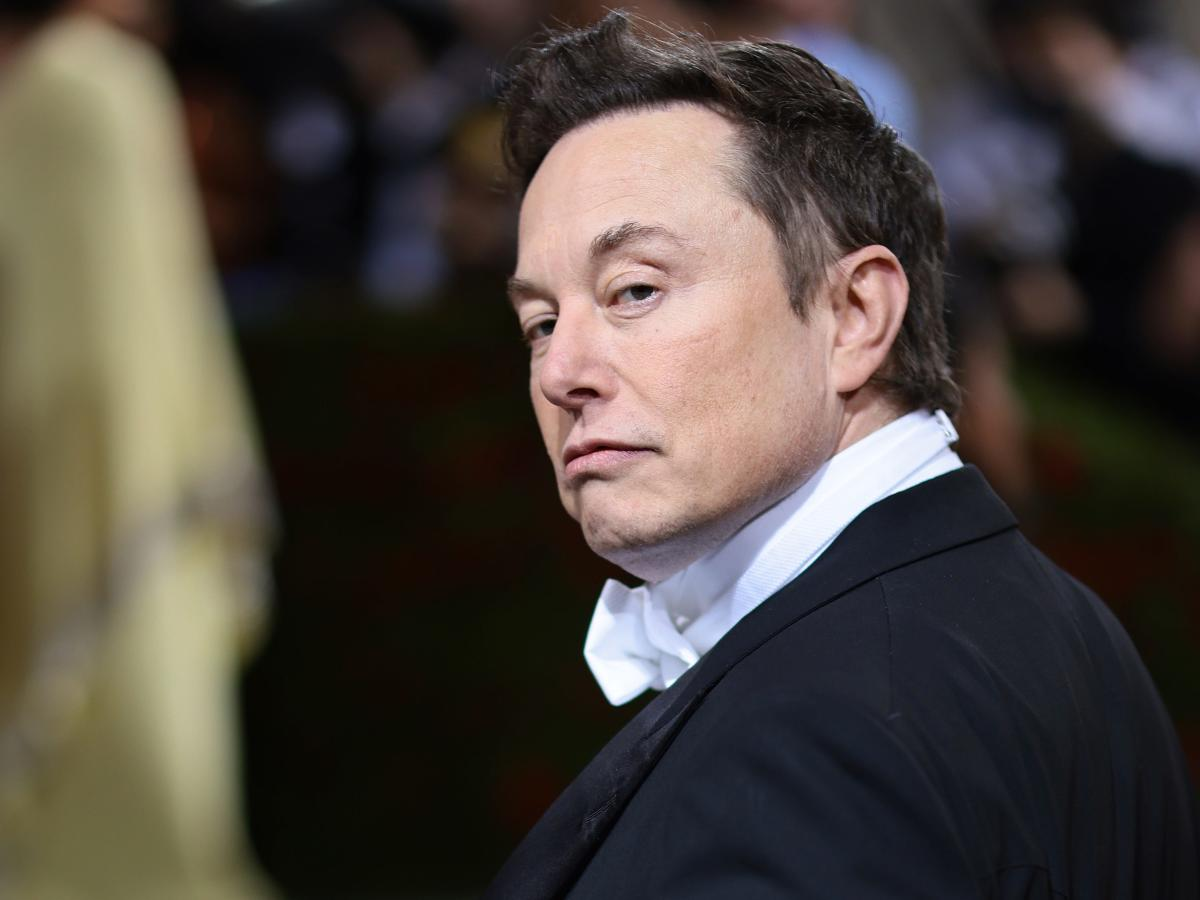
House Democrats Jim McGovern of Massachusetts and Rosa DeLauro of Connecticut criticized their Republican colleagues for allegedly bowing to Elon Musk’s demands, which they claim led to the removal of a provision from a bipartisan government funding bill aimed at regulating U.S. investments in China.

In the aftermath of a separate stopgap funding bill passed over the weekend to prevent a government shutdown, McGovern took to X (formerly Twitter) to express his disappointment, stating that more could have been accomplished. He argued that the scrapped provision would have helped keep cutting-edge technologies like AI and quantum computing in the U.S. and preserved American jobs. However, he contended that Musk’s influence was a significant obstacle to this progress.

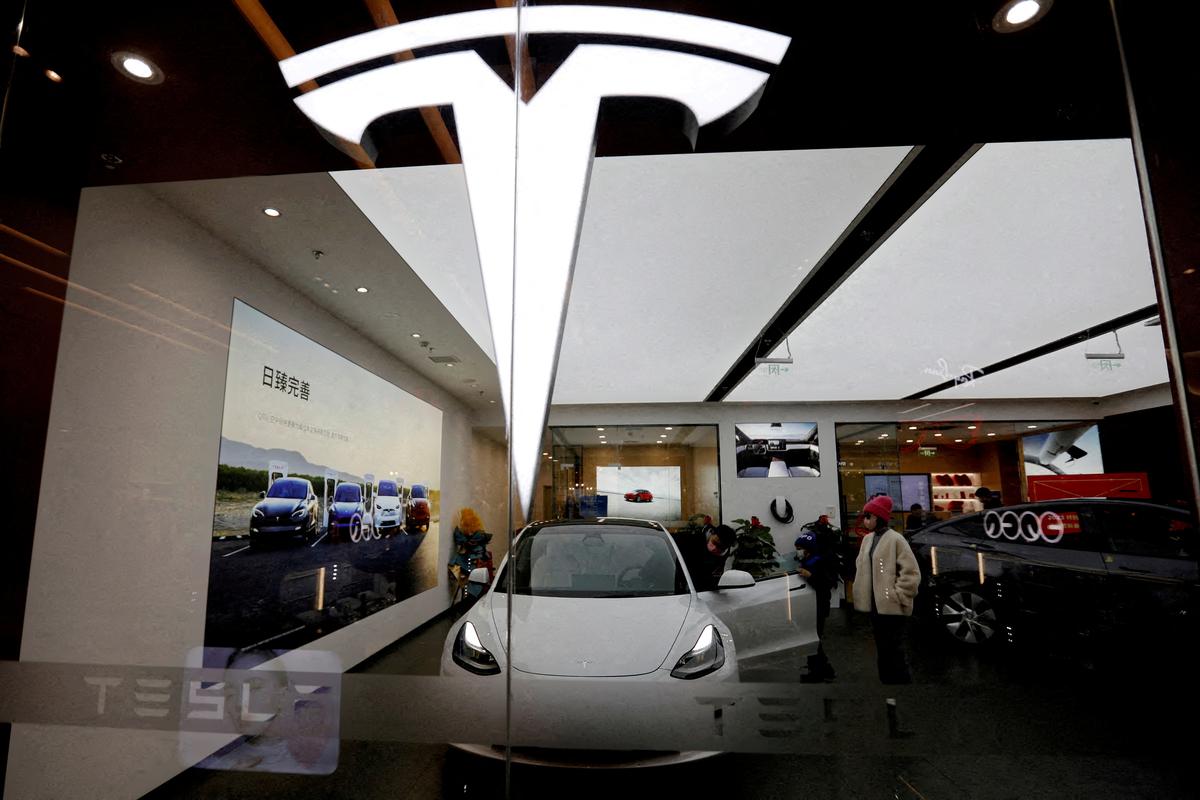
Musk’s companies, including Tesla and SpaceX, have extensive business dealings in China. Tesla operates a factory in Shanghai without a local joint venture, and it recently built a battery plant near the city. Musk is also pursuing self-driving vehicle technology development in China, which Democrats like McGovern claim could jeopardize U.S. security.

McGovern pointed out that Musk’s business interests depend on maintaining favorable relations with the Chinese government, writing that Musk is “bending over backwards to ingratiate himself with Chinese leaders.” Furthermore, Musk’s SpaceX has been reported to have withheld its Starlink satellite internet service over Taiwan at the request of Chinese and Russian authorities.

DeLauro, the top Democrat on the House Appropriations Committee, echoed concerns in a letter to Congress, criticizing Musk’s close ties with the Chinese Communist Party. She expressed alarm over Musk’s need for Chinese government approvals for his projects in the country and emphasized the potential risks of his growing influence.

Musk responded on X by calling DeLauro an “awful creature.”

The dispute unfolded as former President Donald Trump had expressed opposition to the original funding bill, instead seeking a new bill to raise the debt ceiling and avoid a financial showdown during the early months of his potential second term. Although Trump’s influence was felt in the discussions, the stopgap funding bill signed by President Joe Biden on Saturday did not include the debt ceiling suspension Trump had sought.

Musk, who acquired Twitter in 2022 and rebranded it as X, has since become a key supporter and adviser to Trump, contributing heavily to the 2024 campaign cycle.


Tesla Resumes Hunt for New Delhi Showroom in Partnership with DLF

Tesla has reportedly resumed its search for showroom space in New Delhi, signaling a renewed interest in the Indian market after previously putting its investment plans on hold. According to sources familiar with the matter, the electric vehicle (EV) giant is now in discussions with DLF, India’s largest property developer, to secure prime retail space in the capital region. This marks the first indication that Tesla may be re-evaluating its strategy for entering one of the world’s largest automobile markets.

Earlier this year, Tesla’s plans to invest in India appeared to falter when Elon Musk canceled a proposed visit to meet Indian Prime Minister Narendra Modi. The visit was expected to coincide with an announcement of a significant investment, ranging from $2 billion (roughly ₹16,972 crore) to $3 billion (roughly ₹25,458 crore). However, the trip was abruptly called off as Tesla faced internal challenges, including a decision to reduce its workforce by 10 percent amid declining global sales. This pause in plans also led to a temporary halt in the company’s search for retail spaces in India.

Sources indicate that Tesla’s discussions with DLF are still in the early stages and may not necessarily result in a final agreement. The EV manufacturer is also reportedly exploring other options for securing showroom and service space in New Delhi. Tesla is said to be seeking a retail space of 3,000 to 5,000 square feet for a consumer experience center, along with a significantly larger facility—approximately three times the size—for delivery and service operations. These spaces are seen as critical for Tesla to establish its presence and provide seamless after-sales support in the Indian market.

Both Tesla and DLF have declined to comment on the ongoing discussions. Despite the uncertainty, Tesla’s renewed efforts suggest that the company is positioning itself to tap into India’s rapidly growing EV market, driven by increasing consumer interest and government initiatives promoting electric mobility. If successful, Tesla’s entry could further accelerate the adoption of EVs in the country, while potentially reshaping the competitive landscape of India’s automobile sector.