Yazılar

Tesla Raises U.S. Lease Prices After EV Tax Credit Expiration

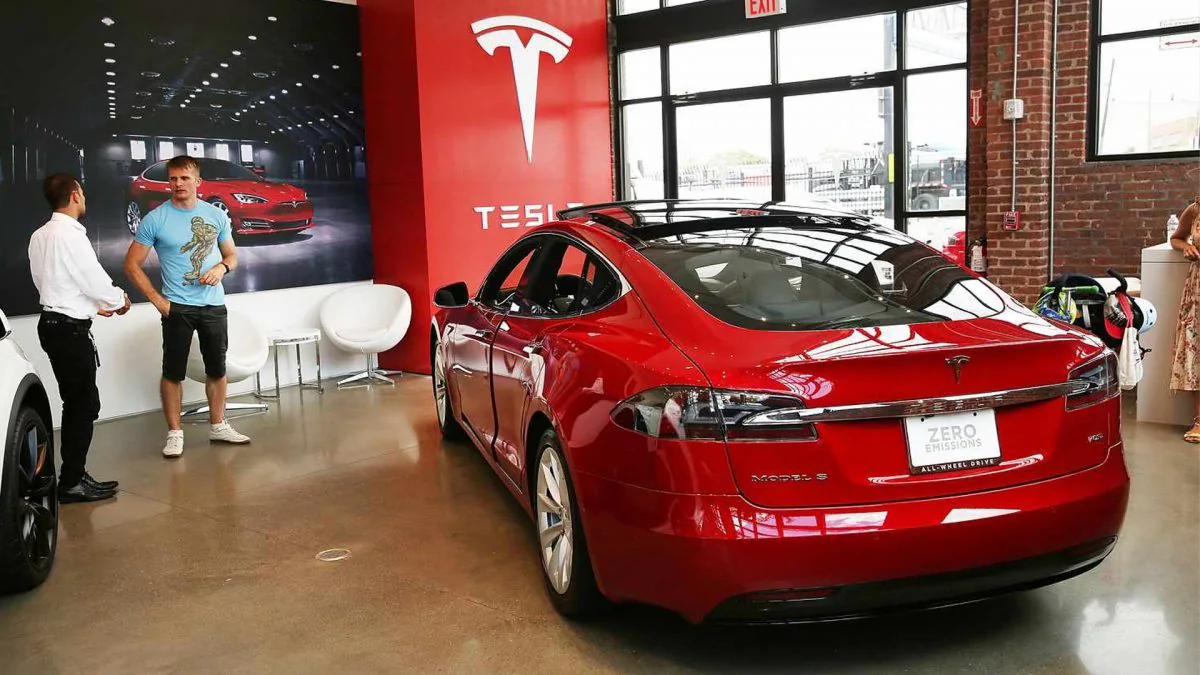
Tesla (TSLA.O) has increased lease prices across all its models in the United States following the expiration of the $7,500 federal electric vehicle (EV) tax credit, which had significantly boosted EV demand over the past two years. The company’s website showed the new rates on Wednesday.

The price adjustment comes after Congress allowed key EV incentives to expire on September 30, ending tax breaks of $7,500 for new EVs and $4,000 for used EVs that were introduced under earlier clean energy legislation. Tesla and other automakers had used these credits to offer more attractive leasing options to consumers.

Higher Lease Prices Across the Lineup

Tesla’s Model Y, its best-selling vehicle, now leases for $529–$599 per month, up from $479–$529 previously. The Model 3, which recently underwent a design refresh, saw lease prices climb to $429–$759 per month, from $349–$699 before.
Despite these leasing changes, vehicle purchase prices remain unchanged on Tesla’s official site.

Market Pressure Mounts as Incentives Fade

The expiration of federal tax credits threatens to cool U.S. demand for electric vehicles, which had already shown signs of slowing after years of rapid expansion. Industry executives and analysts have warned that the loss of subsidies could deter new buyers, especially as higher interest rates and economic uncertainty weigh on household budgets.

According to Cox Automotive, Tesla’s U.S. market share fell to 38% in August, its lowest level in nearly eight years — a sharp decline from the over 80% share it once commanded. The fall reflects growing competition from established automakers like Ford, Hyundai, and GM, as well as new entrants from China and Europe.

Analysts said the lease price hike may further limit Tesla’s competitiveness in the short term, especially as rivals introduce lower-cost EV models and attractive financing options to capture former Tesla customers.

Tesla’s Sales Rise in Parts of Europe but Pressure Mounts From Rivals

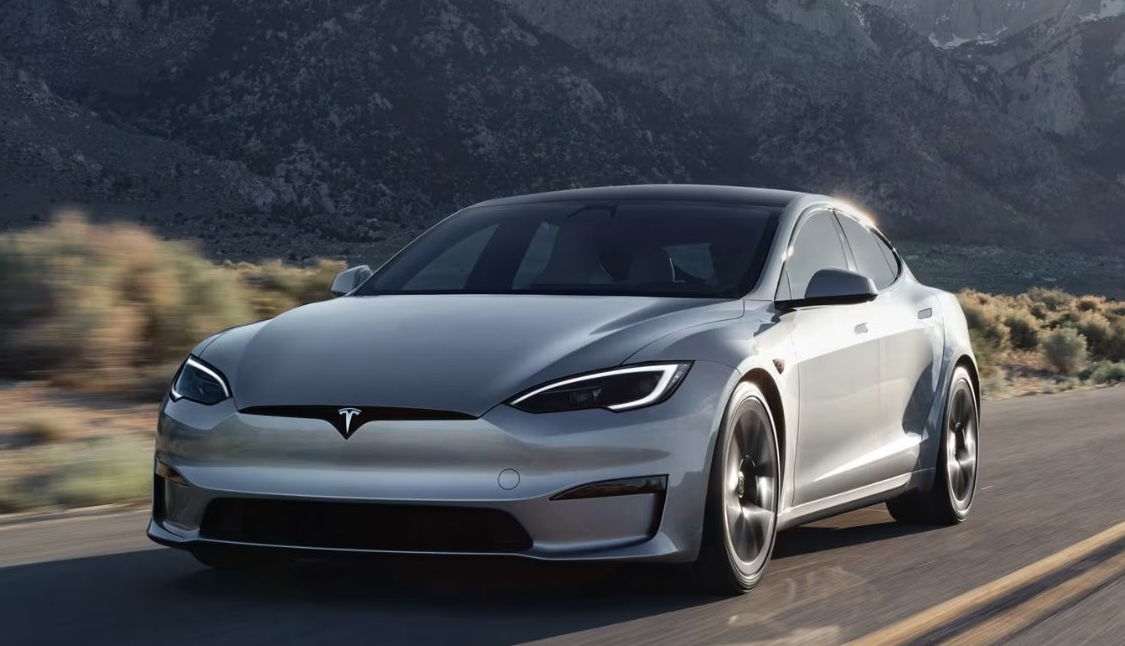
Tesla recorded a modest rebound in several European markets in September, buoyed by sales of its updated Model Y, but analysts warn the U.S. automaker faces mounting challenges from both European and Chinese competitors amid an ageing product lineup.

According to local industry data released Wednesday, Tesla’s sales rose in France, Denmark, Norway, and Spain, with the Model Y emerging as Denmark’s best-selling vehicle. However, new car registrations fell in Sweden and the Netherlands—the latter marking its ninth consecutive monthly decline.

Despite recent gains, Tesla’s broader European performance remains weak. Between January and August, Tesla’s sales fell 42.9% year-on-year in the European Union and 32.6% across Europe overall, even as the region’s total EV sales jumped 24.8%.

Matthias Schmidt of Schmidt Automotive Research described the September uptick as “a bottoming out of the downward trend rather than any real signs of an expected uplift.” He said an affordable Model Y variant, expected in 2026, could help, but Tesla’s prospects remain “tough in a more competitive market environment.”

Once dominant in Europe, Tesla now faces an influx of new EVs from Volkswagen, BMW, Renault, and Chinese players like BYD, which outsold Tesla in the EU in August for the second time this year.

The automaker’s reputation has also been affected by political backlash against CEO Elon Musk, whose support for Donald Trump’s re-election campaign and European far-right parties has alienated some consumers.

Andy Palmer, chairman of Electric Vehicles UK, said Tesla is still “a big fish, but the pond is now full of serious competitors.” Unless it refreshes its range soon, he warned, “it will keep losing market share.”

Performance varied sharply across Europe in September:

  • France: +2.74% year-on-year

  • Denmark: +20.5%, with the Model Y leading sales

  • Norway: +14.7%, with Model Y and Model 3 ranking top two

  • Spain: +3.4%, boosted by a 60% surge in Model Y registrations

  • Sweden: –64% year-on-year, though higher than August levels

  • Netherlands: –48%

Analyst Andy Leyland of SC Insights said Tesla’s biggest challenge lies ahead: “Chinese automakers are rapidly building distribution networks in Germany, the UK, and France. It will be critical to see whether Tesla can still compete.”

Global companies pour billions into AI infrastructure with mega-deals

A wave of multi-billion dollar investments is reshaping the AI landscape as chipmakers, cloud providers, and tech giants race to secure computing power for next-generation artificial intelligence. The surge follows OpenAI’s launch of ChatGPT in 2022, which sparked unprecedented demand for GPUs, cloud infrastructure, and data centers.

Key deals fueling the AI boom:

  • Nvidia & OpenAI – Nvidia to invest up to $100B in OpenAI and supply advanced AI chips, cementing its dominance in the AI ecosystem.

  • Nvidia & Intel – Nvidia invests $5B for a ~4% stake in Intel.

  • Oracle & Meta – In talks on a $20B cloud deal to boost Meta’s AI compute.

  • Oracle & OpenAI – Landmark deal worth $300B over five years for OpenAI to buy Oracle cloud capacity.

  • CoreWeave & Nvidia$6.3B order ensuring Nvidia-backed startup CoreWeave absorbs unused cloud demand.

  • Nebius Group & Microsoft$17.4B, five-year GPU deal to bolster Microsoft’s infrastructure.

  • Meta & Google – Six-year, $10B cloud agreement signed in August.

  • Intel & SoftBank – SoftBank injects $2B into Intel, becoming a top-10 shareholder.

  • Tesla & Samsung$16.5B chip supply deal for Tesla’s next-gen AI6 chip, produced in Texas.

  • Meta & Scale AI – Meta takes 49% stake ($14.3B) in Scale AI, elevating CEO Alexandr Wang’s role in Meta’s AI strategy.

  • Google & Windsurf$2.4B licensing deal for AI code generation tech.

  • CoreWeave & OpenAI$11.9B, five-year contract signed before CoreWeave’s IPO.

  • Stargate Datacenter Project – Joint venture by SoftBank, OpenAI, Oracle, backed by U.S. President Donald Trump, with up to $500B in AI infrastructure funding.

  • Amazon & Anthropic – Amazon doubles down with a total $4B investment in Anthropic, developer of the Claude chatbot.

Why it matters:

  • Capital intensity: AI development is now measured in hundreds of billions, with infrastructure demands rivaling traditional energy projects.

  • Strategic alliances: Tech giants are securing long-term chip and cloud capacity to avoid bottlenecks.

  • Geopolitical edge: Governments, particularly the U.S., are encouraging private-public mega-projects like Stargate to keep ahead in the AI race.

The investment frenzy highlights a simple truth: the future of AI hinges not just on algorithms, but on who controls the world’s computing power.