Yazılar

TOKEN2049 Singapore: Ziplines, DJs and Trump Set the Tone for a Booming Crypto Scene

The TOKEN2049 Singapore conference this week felt more like a festival than a finance event — complete with ziplines, DJs, yacht parties, and high-profile appearances from Donald Trump Jr. and other crypto leaders who hailed the growing influence of U.S. President Donald Trump on the digital assets industry.

At the two-day gathering that ended Thursday, over 25,000 participants packed the Marina Bay Sands convention centre, picking up branded merchandise, joining side events and listening to speakers such as Trump Jr. and TRON founder Justin Sun. The mood was upbeat, reflecting renewed optimism across the crypto world and Asia’s expanding digital asset market.

According to Chainalysis, total crypto transaction volume in Asia reached $2.36 trillion by June 2025 — a massive leap from $1.4 trillion a year earlier. TOKEN2049’s turnout highlighted Singapore’s ambitions to cement itself as a global crypto hub, even as the city-state’s regulators tighten oversight after a series of exchange collapses.

A CARNIVAL OF CRYPTO CULTURE

The event blurred the line between business and entertainment. Attendees zipped across a line for free backpacks, got airbrushed tattoos, tested cryotherapy chambers, and played pickleball, while DJs blasted music from every floor.
“When I came in this morning and I heard the music, I had chills,” said Hubert Tang, a 60-year-old operations executive from Singapore. “How can this not be the new era?”

More than 120 side events — from exclusive dinners to a fight night featuring crypto executives in a boxing ring — took over the city. On Thursday, nine yacht parties and local club Zouk were booked out for TOKEN2049 guests, accepting payments in Bitcoin, Ethereum, USDC, Tether, and Binance Pay.

TRUMP FAMILY TAKES THE STAGE

At the heart of the conference was the Trump family’s growing alignment with the crypto industry.
“President Trump has single-handedly saved the crypto industry from people who wanted to ruin it,” said Zach Witkoff, CEO of Tether’s U.S.-based stablecoin venture and son of Trump’s Middle East envoy Steve Witkoff, sitting next to Donald Trump Jr. on stage.
Their comments — praising the president’s stablecoin regulatory law and pro-crypto stance — drew loud cheers from attendees.

Trump Jr. argued that stablecoins will soon underpin global finance:

“I think stablecoins are going to be the thing that backfills all of these countries that used to buy U.S. Treasuries,” he said. “That’s going to maintain the dollar’s hegemony and keep the world safe and strong.”

PREDICTIONS AND INDUSTRY MOMENTUM

The conference also featured policy discussions and market forecasts, with former White House crypto adviser Bo Hines saying the stablecoin market could exceed $1 trillion within a few years — a figure he called “very conservative.”

The event underscored how Trump’s shift from crypto sceptic to industry advocate has reshaped U.S. policy and investor sentiment. His administration’s pro-innovation regulatory framework has sparked a flood of venture capital into blockchain and DeFi firms.

THE NEW CRYPTO ERA

Attendees like Ophelia Wong, a 62-year-old from Hong Kong who attended TOKEN2049 for the third time, summed up the prevailing sentiment in one word:

“Booming,” she said. “It’s an irreversible journey.”

As the music faded and the yachts returned to the docks, TOKEN2049 left one clear message: crypto’s next chapter is being written — with Asia, and Trump’s America, at the center of it.

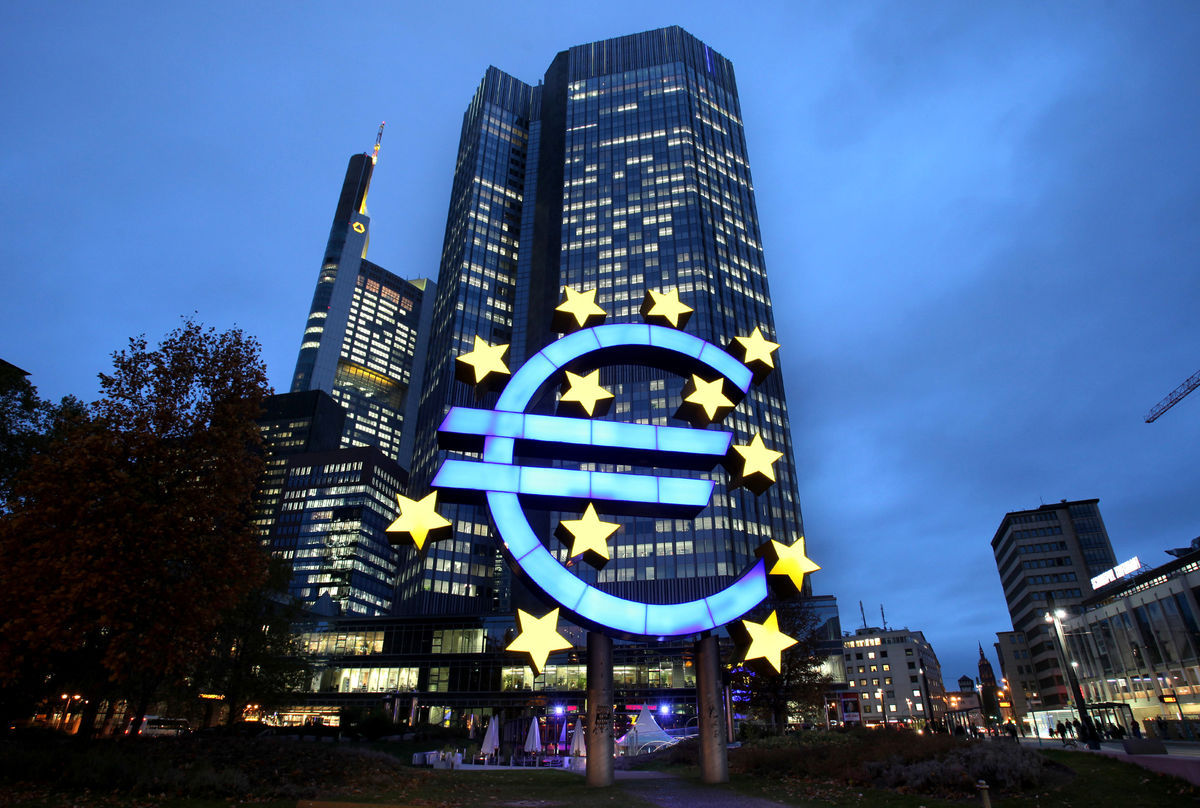
European Banks Plan Euro Stablecoin to Counter U.S. Market Dominance

A consortium of nine major European banks, including ING and UniCredit, announced on Thursday that they are creating a new Amsterdam-based company to launch a euro-denominated stablecoin by the second half of next year. The move aims to reduce reliance on U.S.-backed tokens and strengthen Europe’s role in the digital payments market.

The decision comes as U.S. financial firms prepare their own stablecoins, backed by President Donald Trump’s new regulatory framework, which could further cement America’s dominance in the sector.

Stablecoins—cryptocurrencies pegged to traditional currencies—have grown rapidly in use, not only for crypto trading but also for mainstream payments and cross-border settlements. While the global stablecoin market is worth nearly $300 billion, euro-denominated stablecoins account for just $620 million, according to recent Bank of Italy figures. Dollar-pegged tokens dominate the market.

“The initiative will provide a real European alternative to the U.S.-dominated stablecoin market, contributing to Europe’s strategic autonomy in payments,” the banks said in a joint statement.

Still, the project faces skepticism from the European Central Bank (ECB). ECB President Christine Lagarde has warned that privately issued stablecoins could pose risks to monetary policy and financial stability, urging lawmakers instead to support a digital euro backed by the central bank. Some commercial banks, however, worry that such a move would drain deposits from their institutions.

In addition to ING and UniCredit, participants include Banca Sella, KBC, DekaBank, Danske Bank, SEB, CaixaBank, and Raiffeisen Bank International. A CEO will be appointed soon, and the consortium signaled that other banks may join.

A recent Deutsche Bank report underscored the urgency, noting that emerging economies are increasingly adopting dollar-backed stablecoins in place of local deposits. “This has created a global monetary dilemma: countries should adopt stablecoins or risk being left behind. Europe is under particular pressure,” the report said.

Some European efforts have struggled to gain traction. Societe Generale’s crypto unit SG-FORGE launched a euro stablecoin in 2023, but it has seen limited adoption, with just €56.2 million in circulation. Its U.S.-dollar stablecoin has even less uptake at $32.25 million.

Meanwhile, U.S. banks like Bank of America and Citigroup are exploring stablecoins, but most of the market remains dominated by non-bank players such as Tether and Circle.

Tether Appoints Ex-Google, Limestone Capital Executive as Chief Business Officer

Tether announced on Wednesday that it has named Benjamin Habbel as its new chief business officer, as the crypto firm expands its strategy beyond digital assets.

Habbel previously served as CEO of private equity firm Limestone Capital and held senior roles at Google. At Tether, he will oversee growth strategy, finance, investment, and portfolio expansion, while also working with the company’s diverse portfolio.

Tether’s investments already span artificial intelligence, telecommunications, bitcoin mining and energy, cloud computing, and real estate. Last year, the company invested $200 million to acquire a majority stake in U.S.-based brain implant company Blackrock Neurotech.

“Tether isn’t just a stablecoin company — it’s The Stable Company,” said CEO Paolo Ardoino, adding that Habbel’s appointment will accelerate Tether’s transformation into a broader technology and financial services powerhouse.

Headquartered in El Salvador, Tether is the issuer of the world’s largest stablecoin, USDT, which is pegged to the U.S. dollar and has a market capitalization of about $173 billion, according to CoinGecko.

The move comes as Tether looks to expand in the United States, where crypto firms are benefiting from President Donald Trump’s supportive stance on the sector and the launch of a U.S.-focused stablecoin, USAT.