Yazılar

B. Grimm Power and Digital Edge to Invest $1 Billion in Thailand Data Centre

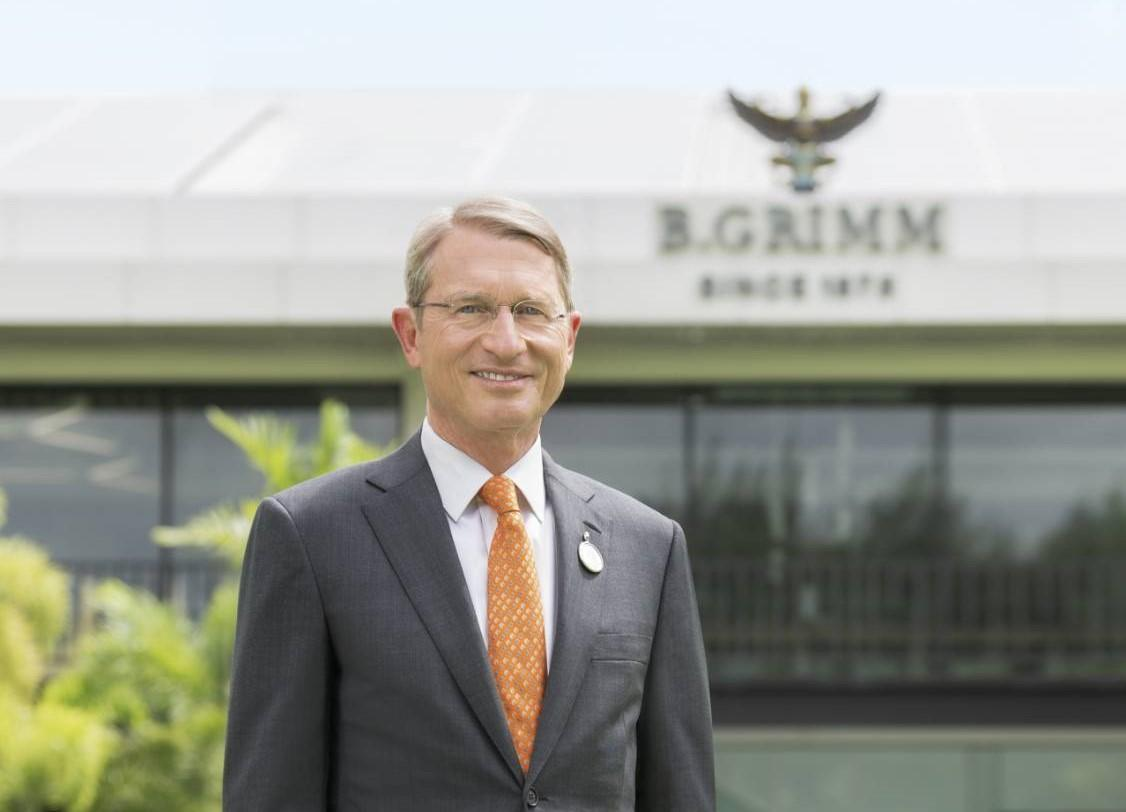
Thai energy firm B. Grimm Power Pcl and Singapore-based digital infrastructure company Digital Edge announced a joint investment of $1 billion to build a 100-megawatt data centre in Thailand. This project aims to meet rising demand for digital infrastructure powered by clean energy, driven in part by surging interest in artificial intelligence technologies across Southeast Asia.

Thailand, the region’s second-largest economy, has become a hotspot for tech giants investing heavily in data centres. Notably, TikTok’s parent company Bytedance plans to invest $8.8 billion over five years, while Google is also preparing to launch a $1 billion data centre facility in the country. Earlier this year, Thailand’s investment board approved $3 billion in investments specifically targeted at data centres and energy projects.

Microsoft last year announced plans for its first regional data centre in Thailand, further solidifying the country’s status as a growing digital hub.

B. Grimm Power and Digital Edge said construction will be “fast-tracked” to have the data centre operational by the fourth quarter of 2026, catering to global tech firms looking to expand AI infrastructure in Southeast Asia. Harald Link, Group President of B. Grimm Power, highlighted the synergy between renewable energy and advanced data centre technology, stating the project will support Thailand’s transformation into a regional AI and cloud innovation centre.

TikTok Charged with Breaching EU Content Rules Under Digital Services Act

TikTok has been formally charged by EU regulators with violating the Digital Services Act (DSA), a sweeping content regulation law aimed at increasing transparency and accountability for major online platforms. The European Commission’s preliminary findings, released Thursday, could expose TikTok’s parent company ByteDance to a fine of up to 6% of global turnover.

Key Allegations:

The European Commission said TikTok has failed to:

  • Publish a comprehensive ad repository, as required by the DSA, which would allow researchers and users to detect scam and manipulative advertisements.

  • Provide clear data on ad content, targeting practices, and disclosure of the entity behind each ad.

  • Ensure full ad transparency, a core DSA obligation to combat disinformation and exploitative practices.

Transparency in online advertising — who pays and how audiences are targeted — is essential to safeguarding the public interest,” said Henna Virkkunen, EU digital policy chief.

TikTok’s Response:

TikTok said it supports the goals of the DSA and is working to improve its ad transparency tools. However, it disagreed with the Commission’s interpretation and criticized the lack of clear, public guidance:

Guidance is being delivered via preliminary findings rather than clear, public guidelines,” a spokesperson said. “A level playing field and consistent enforcement are essential.”

What’s Next:

  • TikTok now has the opportunity to review the evidence and submit a written response before the Commission makes a final decision.

  • If found guilty of breaching the DSA, ByteDance could face financial penalties and further scrutiny over how it manages online advertising and content moderation.

  • TikTok is also under a separate EU investigation into its election-related risk management practices.

The case marks a significant escalation in the EU’s efforts to enforce the DSA, which came into effect in 2023 to curb harmful content, improve transparency, and hold tech giants accountable for the societal impact of their platforms.

ByteDance Confirms Ongoing US Talks as TikTok Gets 75-Day Lifeline From Trump

ByteDance has officially confirmed that it is in active discussions with the U.S. government regarding a deal that would allow TikTok to continue operating in the United States. This announcement came shortly after former President Donald Trump granted the Chinese tech giant an additional 75 days to divest its U.S. TikTok operations. Without a successful deal, the popular video-sharing platform faces the threat of being banned in one of its largest markets.

In its statement, ByteDance acknowledged that while progress had been made, several key issues remain unresolved. The company emphasized that any final agreement would need to align not only with U.S. regulatory requirements but also comply with Chinese laws governing foreign transactions and technology transfers. The extended timeline now gives ByteDance until mid-November to reach a resolution that satisfies all parties involved.

President Trump, in a post on his Truth Social platform, framed the extension as a necessary step to secure TikTok’s future in the U.S. market. “The Deal requires more work to ensure all necessary approvals are signed,” he stated, highlighting the complexity of the negotiations. The executive order marks the second reprieve issued by Trump in an ongoing saga that began with national security concerns over data privacy and Chinese government influence. TikTok’s U.S. operations have been valued between $20 billion and $150 billion, making the stakes incredibly high for ByteDance.

To facilitate a successful transaction, Trump has appointed several high-ranking officials, including Vice President JD Vance and National Security Advisor Mike Waltz, to oversee and vet prospective buyers. The involvement of these key figures underscores the political and economic importance of the deal. Although this extension pushes the boundaries of the law signed by President Biden, which allows only a single 90-day extension, the move suggests that Washington remains committed to keeping TikTok alive under American ownership—provided the right conditions are met.