Yazılar

Australia’s Teen Social Media Ban Trial Finds Age-Checking Software Can Work

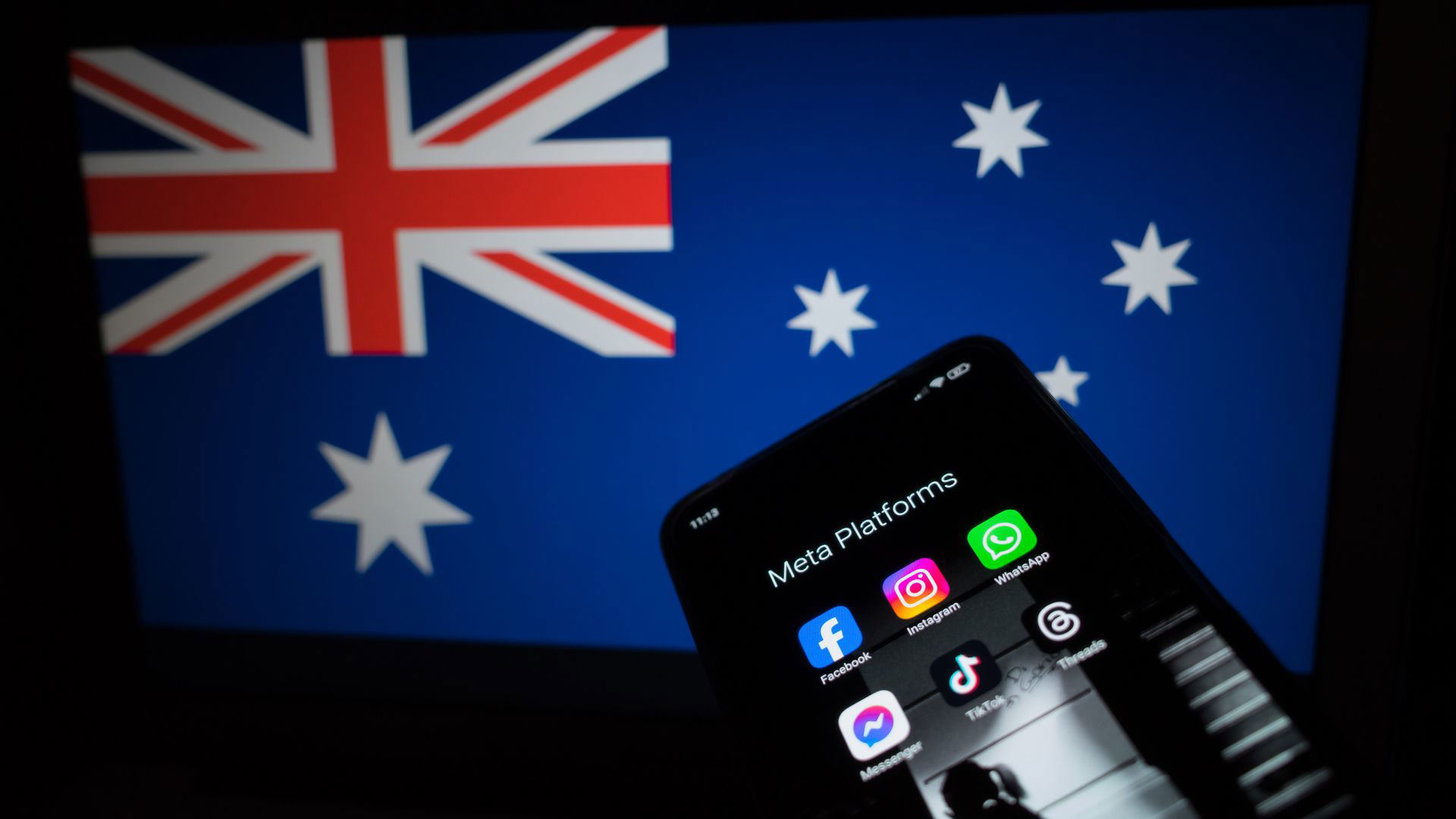
Organizers of the world’s largest trial of age assurance technology say that software-based methods to enforce Australia’s upcoming ban on under-16s using social media are feasible, despite some limitations. The government-commissioned Age Assurance Technology Trial involved over 1,000 Australian school students and hundreds of adults.

Starting this December, companies such as Meta (owner of Facebook and Instagram), Snapchat, and TikTok must demonstrate they take reasonable steps to block users under 16 or face fines up to A$49.5 million (approximately $32 million). This makes Australia the first country to implement such a ban.

Concerns have been raised by child protection advocates, tech groups, and youths about the enforceability of the ban, citing methods like Virtual Private Networks (VPNs) that mask users’ locations.

Tony Allen, CEO of the UK-based Age Check Certification Scheme overseeing the trial, stated, “Age assurance can be done in Australia privately, efficiently and effectively.” The trial concluded there are “no significant tech barriers” to deploying such software, though no single solution works perfectly in all cases.

Allen also highlighted risks around data privacy, noting that some firms may over-collect data beyond what regulators or law enforcement would require in the future.

While detailed data and product names were not disclosed, a final report will be submitted to the government next month to guide upcoming industry consultations before the December enforcement deadline.

The office of Australia’s eSafety Commissioner commented that preliminary results indicate age assurance tech, if used properly alongside other methods, can be “private, robust and effective.”

Australia’s approach is being closely monitored internationally as other governments consider measures to protect children from social media exposure.
Trump Extends Deadline for US TikTok Sale to September

U.S. President Donald Trump on Thursday extended the deadline to September 17 for ByteDance, the China-based parent company of TikTok, to divest the app’s U.S. assets. This extension comes despite a law requiring the sale or shutdown of TikTok in the U.S. without significant progress.

Trump signed an executive order delaying the original deadline, which was set for Thursday, by 90 days—a move he had previously indicated.

The Republican president had already granted two extensions earlier, postponing enforcement of a law that mandated TikTok’s sale or shutdown by January, unless significant progress was made toward divestment.

Trump has expressed a desire to keep TikTok operational in the U.S., noting the app helped him gain young voters in the 2024 presidential election. He also voiced optimism that Chinese President Xi Jinping would approve a deal preserving TikTok’s presence in the U.S., although it is unclear how much the issue has been discussed amid ongoing tariff disputes between the two countries.

TikTok released a statement expressing gratitude for Trump’s support in keeping the app available. The company said it is continuing discussions with U.S. Vice President JD Vance’s office.

White House spokeswoman Karoline Leavitt told reporters that the extension provides “more time to make a good deal.” She added that legal experts at the White House and Department of Justice support the extension’s legality.

On Tuesday, Trump had indicated he would likely extend the deadline and expressed hope for China’s approval of the sale. “I think President Xi will ultimately approve it,” he said.

The 2024 law required TikTok to cease operations in the U.S. by January 19 unless ByteDance had divested U.S. assets or made substantial progress toward a sale. Trump, who began his second term on January 20, chose not to enforce the law and previously extended the deadline twice: once to early April and again last month to June 19.

Earlier this year, Trump offered to reduce tariffs on China to facilitate a deal for TikTok’s U.S. operations, which currently serve 170 million Americans. A planned deal would spin off TikTok’s U.S. business into a new company majority-owned by U.S. investors but was paused after China indicated it would not approve it amid tariff tensions.

Some Democratic lawmakers argue that Trump lacks legal authority to extend the deadline and question whether the proposed deal would comply with legal requirements.

Trump to Extend TikTok Sale Deadline for Third Time, White House Confirms

U.S. President Donald Trump will extend the June 19 deadline for ByteDance, TikTok’s China-based parent company, to divest the app’s U.S. assets by 90 days, according to the White House. This marks the third extension of the deadline imposed by a law requiring either a sale or shutdown of TikTok in the United States unless significant progress toward divestment was made.

White House Press Secretary Karoline Leavitt said on Tuesday that Trump plans to sign another executive order this week to keep TikTok operational, pushing the deadline to mid-September. She emphasized the administration’s intention to ensure the sale is completed so Americans can continue using TikTok with confidence in their data’s security.

Trump previously extended the deadline twice: initially delaying enforcement from January to early April, then again to June 19. He cited TikTok’s popularity among young voters in the 2024 election as a reason for the extensions. On Tuesday, Trump told reporters aboard Air Force One that he expected to extend the deadline again and expressed optimism that Chinese President Xi Jinping would approve the deal.

The law mandated TikTok’s shutdown by January 19 unless ByteDance completed the sale of its U.S. operations or demonstrated significant progress. Negotiations have aimed to spin off TikTok’s U.S. operations into a new, majority U.S.-owned company, but progress stalled after China signaled it would not approve the deal, especially following Trump’s announcements of steep tariffs on Chinese goods.

Democratic senators have criticized the extensions, questioning Trump’s legal authority to continue delaying enforcement and expressing concerns that the proposed deal would not satisfy legal requirements.