Yazılar

Frank McCourt’s Project Liberty Proposes Bid for TikTok’s U.S. Assets

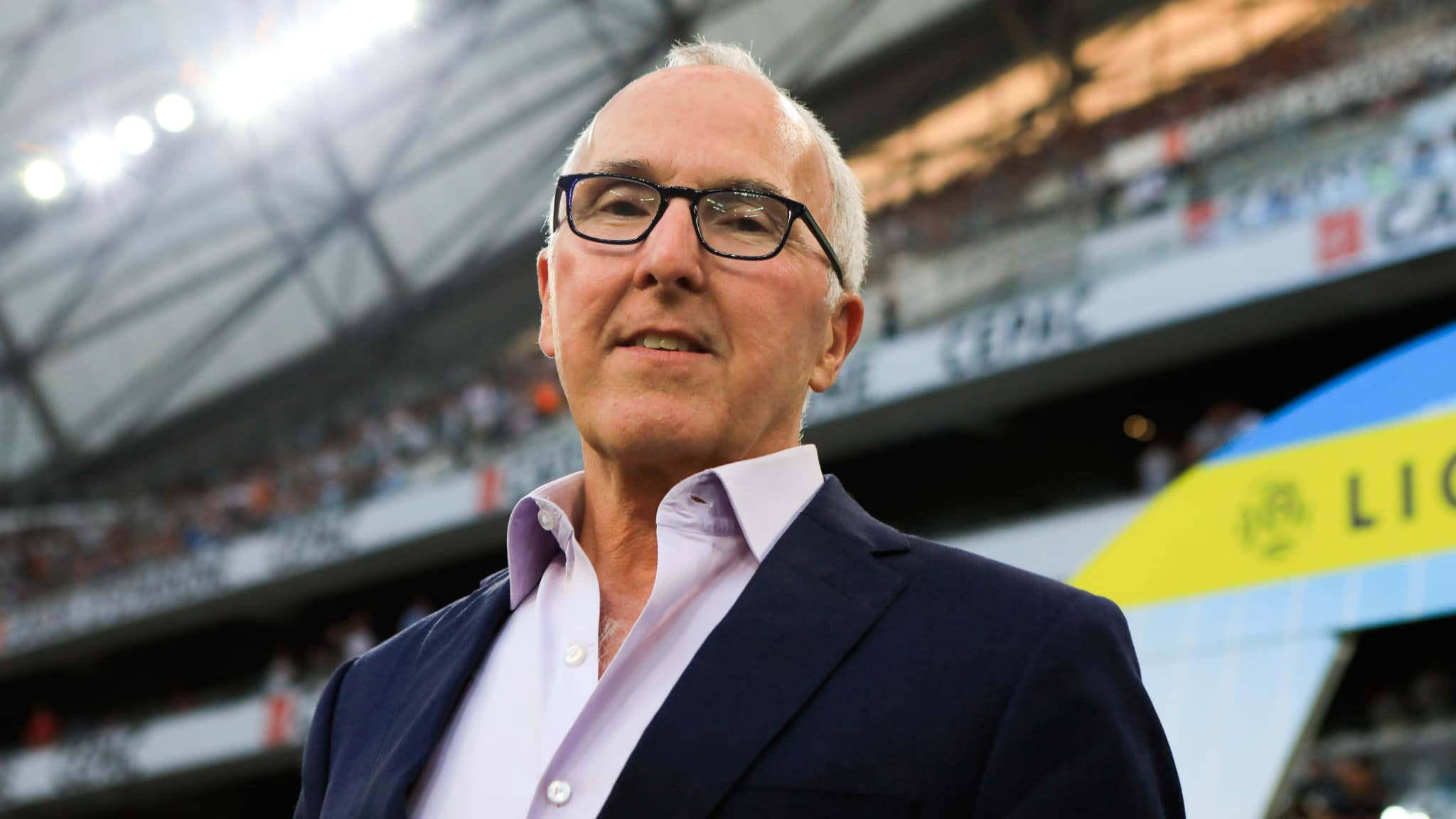
Frank McCourt, the billionaire entrepreneur and former owner of the Los Angeles Dodgers, has announced that his venture, Project Liberty, along with its consortium partners known as The People’s Bid, is making a formal proposal to acquire TikTok’s U.S. assets from ByteDance. This move comes ahead of the January 19 deadline set by a law signed by President Joe Biden, which mandates ByteDance to sell TikTok or face a potential ban in the U.S.

The consortium has not disclosed the exact value of the offer but assured that it has the financial backing to complete the deal. The group highlighted interest from private equity funds, family offices, and high-net-worth individuals, alongside debt financing from one of the U.S.’s largest banks, which will provide the necessary capital to execute the acquisition.

McCourt, who launched Project Liberty last year with the aim of acquiring TikTok’s U.S. operations, emphasized that the acquisition would ensure the platform’s continuity without reliance on the current TikTok algorithm, thereby avoiding a potential ban. He expressed optimism about working with ByteDance, President-elect Donald Trump, and the incoming administration to finalize the deal, ensuring that millions of Americans can continue to use the platform.


What Happens After the TikTok Ban?

The U.S. Supreme Court’s decision on Friday denied TikTok’s request to avoid a ban, putting the app at risk of shutting down in just two days, potentially affecting millions of users in the U.S. who rely on it for entertainment, e-commerce, and advertising. The ban stems from a 2024 national security law requiring TikTok’s parent company, ByteDance, to sell the app or face its closure in the U.S. by January 19.

While President-elect Donald Trump, set to take office on Monday, has hinted at seeking a political solution, the immediate effects of the ban remain uncertain.

What Happens to the App?

  • TikTok will be unavailable for download from Apple and Google app stores, and updates to the app will be prohibited. The law restricts any entity from facilitating the app’s download or maintenance.
  • Oracle, which hosts TikTok’s U.S. user data, may experience disruptions in its work with the app.
  • Despite the ban, TikTok plans to continue paying its 7,000 U.S. employees.

How Will Users Be Affected?

  • TikTok’s 170 million U.S. users who have already downloaded the app will still be able to use it for a time, but the lack of updates could render it obsolete. A web-based version may emerge but will likely offer fewer features.
  • Some users might attempt to access TikTok through virtual private networks (VPNs) to bypass the ban.
  • Alternative Chinese social media platforms, such as Xiaohongshu (RedNote), could see an increase in U.S. users.
  • Content creators on TikTok are redirecting their followers to platforms like Instagram and YouTube to prepare for the potential shutdown.

What Will Advertisers Do?

  • Advertisers have started to devise contingency plans, aware that a TikTok ban would disrupt their campaigns. If the ban is enforced, over $11 billion in annual U.S. ad spending could shift to other platforms.
  • Marketers will be watching Meta, Snap, and others to see who benefits from the spending shift.
  • Some advertisers may continue their campaigns beyond January 19 to monitor TikTok’s performance in the U.S. before reassessing their investments.

What Happens to U.S.-China Trade Relations?

  • A TikTok ban could escalate the already tense trade relations between the U.S. and China, following previous export restrictions on American semiconductor technology to Beijing.
  • Analysts suggest that President Trump could use a potential reversal of the ban as leverage in negotiations with China, possibly securing concessions or other trade benefits.

Who Are the Potential Buyers?

  • Despite TikTok’s repeated stance that it cannot be sold, some buyers are still interested. Billionaire Frank McCourt, former owner of the Los Angeles Dodgers, has valued TikTok without its algorithm at approximately $20 billion.
  • Reports have surfaced suggesting that Chinese officials might be considering a sale of TikTok’s U.S. operations to Elon Musk, though TikTok has dismissed this as “fiction.”


China Considers Selling TikTok US Operations to Elon Musk: Bloomberg

Chinese officials are reportedly exploring the possibility of selling TikTok’s U.S. operations to billionaire Elon Musk if the app cannot avoid a looming ban, Bloomberg News reported on Monday. This consideration comes amid increasing pressure from the U.S. government to address national security concerns surrounding TikTok’s Chinese ownership.

Beijing’s Preference and Control

According to sources cited in the Bloomberg report, Chinese officials prefer that TikTok remains under the ownership of its parent company, ByteDance. However, they are weighing alternatives as the January 19 deadline for divestiture or a ban draws near. These alternatives could involve either a competitive sale process or a government-arranged transaction, indicating that ByteDance may no longer have full control over TikTok’s future.

China holds a “golden share” in ByteDance, a stake that some U.S. lawmakers argue grants Beijing influence over TikTok. ByteDance, however, has previously denied that this ownership affects its global operations outside of China, including TikTok.

Potential Deal with Musk

One scenario reportedly under discussion would involve Musk’s social media platform, X, taking control of TikTok’s U.S. operations and running the business jointly. Despite these preliminary talks, there is no consensus among Chinese officials on how to proceed, Bloomberg noted. It is also unclear whether ByteDance, Musk, or TikTok have been directly involved in any discussions.

A TikTok spokesperson dismissed the Bloomberg report, stating, “We can’t be expected to comment on pure fiction.” ByteDance and Musk have not commented on the matter, and China’s Cyberspace Administration and Ministry of Commerce have yet to respond to inquiries.

U.S. Government Pressure

Last week, the U.S. Supreme Court appeared likely to uphold a law requiring ByteDance to sell TikTok’s U.S. operations or face a ban. The deadline for compliance is January 19, driven by concerns over potential national security risks posed by China’s influence on the app. The situation has placed TikTok’s future in the U.S. under intense scrutiny.

What’s Next?

While discussions remain speculative, the potential involvement of Elon Musk adds an intriguing layer to TikTok’s uncertain future. With the deadline looming, any developments—whether through a sale or a ban—are expected to have significant implications for the app’s 170 million U.S. users and the broader tech landscape.