Yazılar

Meta Appoints Joel Kaplan as Chief Global Affairs Officer, Replacing Nick Clegg

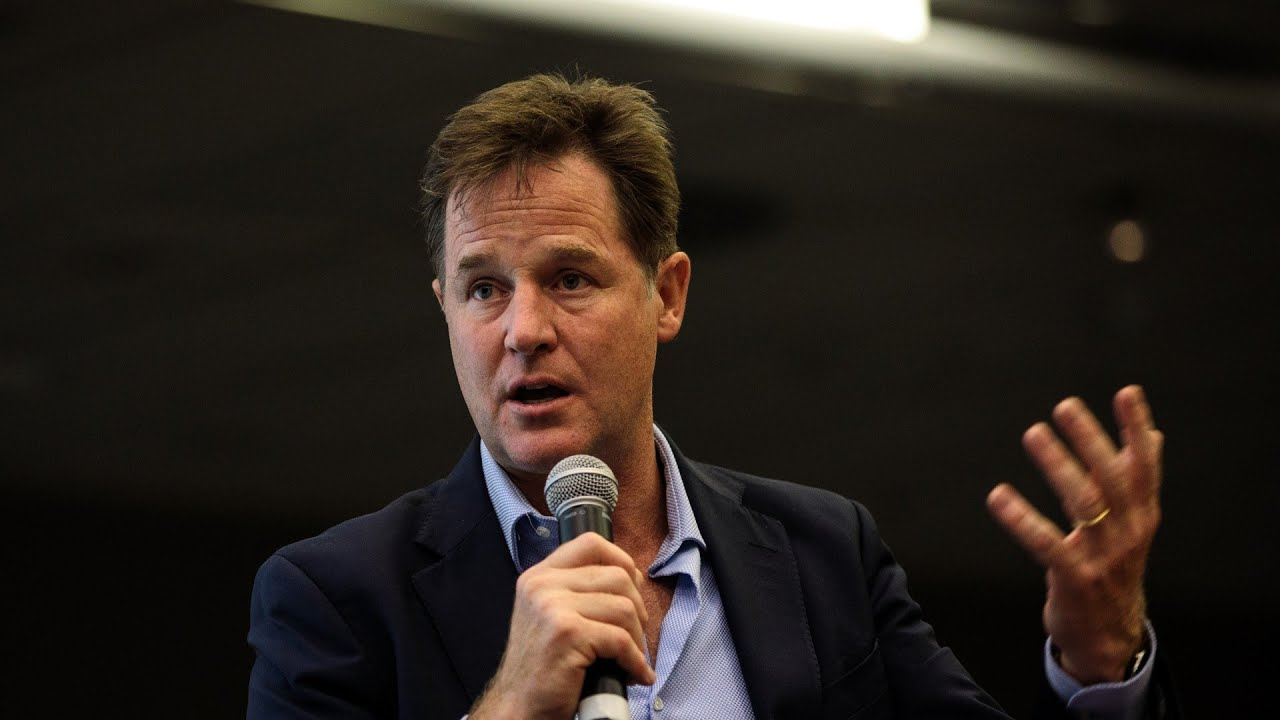
Meta Platforms has named Joel Kaplan, a prominent Republican and long-time executive at the company, as its new Chief Global Affairs Officer, replacing Nick Clegg. The leadership change comes as Meta navigates its relationship with President-elect Donald Trump, who has criticized the company’s handling of political content and threatened legal actions against its CEO, Mark Zuckerberg.

Nick Clegg, who joined Meta in 2018 after serving as the British deputy prime minister and leader of the Liberal Democrats, announced his decision to step down from his role on social media. Clegg stated, “Joel is quite clearly the right person for the right job at the right time—ideally placed to shape the company’s strategy as societal and political expectations around technology continue to evolve.”

Kaplan’s Background and Controversies

Kaplan, who has been with Meta since 2011, previously served as Deputy Chief of Staff for Policy under former Republican President George W. Bush. During his tenure at Meta, Kaplan has been a controversial figure. He has faced accusations of promoting a conservative agenda while advocating for political neutrality. Internal company documents leaked by a whistleblower in 2021 revealed claims that Kaplan had influenced Meta’s content moderation policies to favor Republican political figures, a charge the company has denied.

Kaplan’s attendance at a Senate hearing in 2018 supporting Brett Kavanaugh, a Supreme Court nominee accused of sexual assault, further fueled employee discontent. Meta later admitted to “mistakes handling the events” surrounding Kaplan’s public stance.

Despite these controversies, Kaplan is seen as a strategic choice to lead Meta’s global policy and communications teams as the company works to align its approach with evolving political expectations. Kevin Martin, another Meta executive with Republican ties, will succeed Kaplan as head of global policy.

Meta’s Relationship with the Incoming Trump Administration

The leadership transition coincides with Meta’s efforts to mend relations with President-elect Trump following years of strained interactions. Trump, who was banned from Meta’s platforms in 2021 after the Capitol riots, has accused the company of bias against conservatives and suppressing content critical of Joe Biden during the 2020 election.

Since Trump’s election victory in November, Meta has taken steps to improve its standing with the incoming administration. The company has donated $1 million to Trump’s inaugural fund, breaking from its previous practices, and CEO Mark Zuckerberg has publicly expressed regret over content moderation decisions that alienated conservative users.

Meta’s overtures appear to have softened tensions, with Trump no longer publicly targeting the company as aggressively as in the past. However, critics argue that these moves raise questions about Meta’s commitment to unbiased content moderation and its broader influence on political discourse.

The Road Ahead for Meta

Kaplan’s appointment signals a strategic pivot as Meta faces heightened scrutiny over its role in shaping public opinion and its policies surrounding political content. The company will likely face pressure to balance the expectations of conservative political leaders, internal employee concerns, and the broader public’s demand for transparent and equitable content governance.
 

U.S. Finalizes $406 Million Chips Subsidy for Taiwan’s GlobalWafers

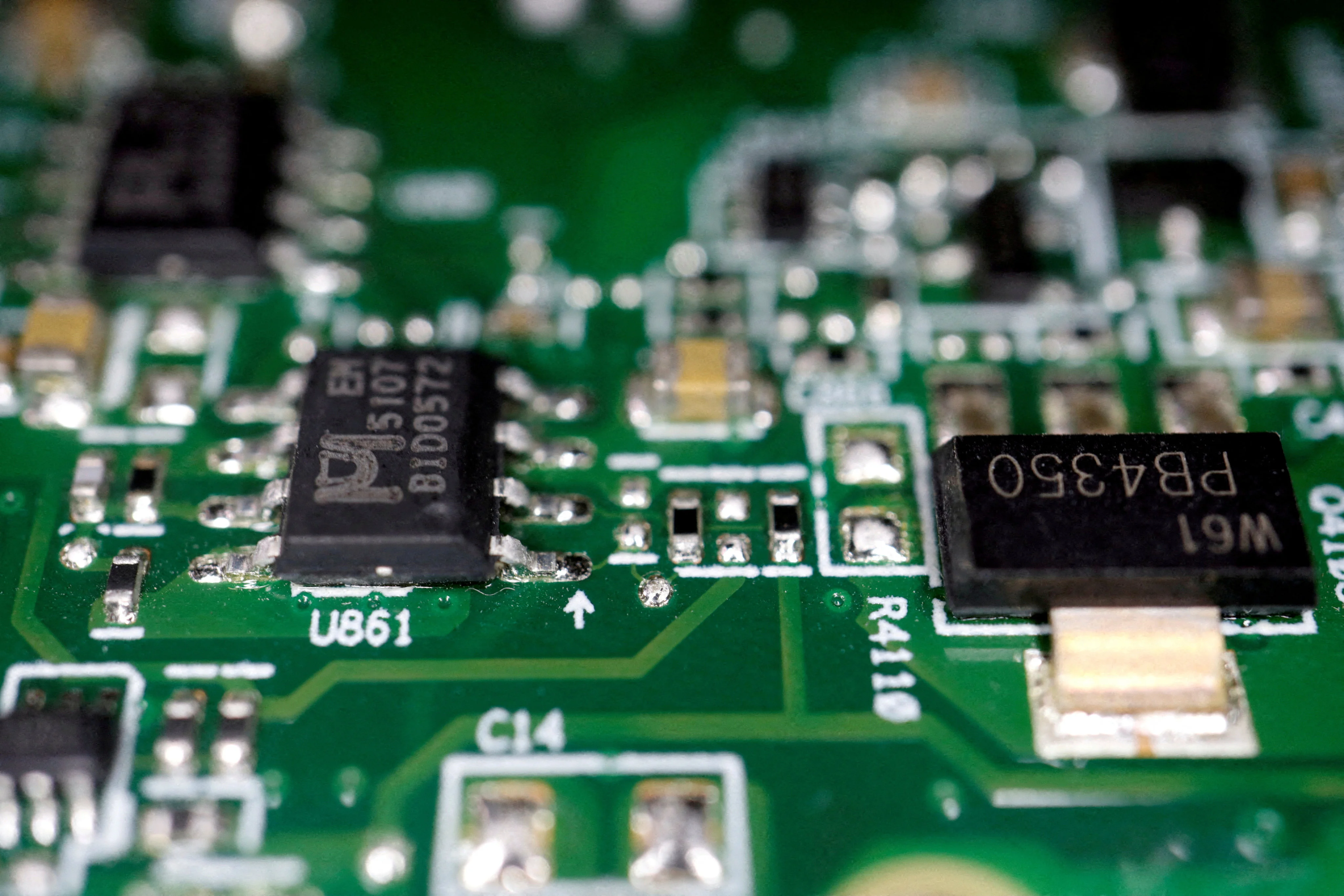
The U.S. Commerce Department announced on Tuesday that it has finalized a $406 million government grant to Taiwan’s GlobalWafers to boost silicon wafer production in the United States. This investment is part of the U.S. government’s broader efforts to strengthen the domestic semiconductor supply chain.

Expansion of U.S. Production

The grant will fund projects in Texas and Missouri, aimed at establishing the first high-volume U.S. production of 300-mm silicon wafers, a critical component for advanced semiconductors. Additionally, the funds will support the expansion of silicon-on-insulator wafers production. These wafers are essential for the manufacture of cutting-edge chips, aligning with the Biden administration’s initiative to enhance the U.S. semiconductor industry.

GlobalWafers plans to invest nearly $4 billion to build new wafer manufacturing facilities in both states. This expansion is expected to create 1,700 construction jobs and 880 manufacturing jobs. The company’s move comes at a time when the U.S. is looking to reduce its dependence on foreign-made chips and strengthen its domestic production capabilities.

Strategic Localization Amid Global Supply Chain Challenges

CEO Doris Hsu of GlobalWafers expressed the strategic importance of localizing production, especially given the current global semiconductor supply chain challenges. She highlighted that local supply in high-demand regions, like the U.S., will be prioritized, as it is more likely to be supported by local customers.

Hsu also acknowledged the potential uncertainties regarding the U.S. CHIPS Act with the incoming Trump administration, which will take office next month. However, she expressed confidence in the continuation of the initiative, noting that the CHIPS Act had its origins during Trump’s first term. While the company is legally protected by contracts, Hsu pointed out that tariffs and potential new policies could still affect the company’s operations and supply chain.

Global Wafer Production and U.S. Investment

GlobalWafers’ decision to invest in the U.S. aligns with its broader strategy to address the growing demand for semiconductors. In 2022, the company announced plans to build a $5 billion plant in Texas to produce 300-mm silicon wafers, a shift from its original plan to invest in Germany.

Currently, five major companies, including GlobalWafers, control over 80% of the global market for 300-mm silicon wafers, with the majority of production still concentrated in East Asia. The company is expanding its presence in the U.S. with a new plant in Sherman, Texas, to manufacture wafers for advanced, mature-node, and memory chips, as well as a new facility in St. Peters, Missouri, to produce wafers for defense and aerospace applications.

Urgency to Finalize CHIPS Act Awards

The U.S. Commerce Department is working swiftly to finalize grants under the CHIPS and Science Act, a semiconductor manufacturing and research subsidy program that was approved in 2022 with a budget of $52.7 billion. The department aims to complete these awards before Trump’s inauguration on January 20.


Pfizer Sees Stable Vaccine Policy Under Trump Despite RFK Jr. Appointment

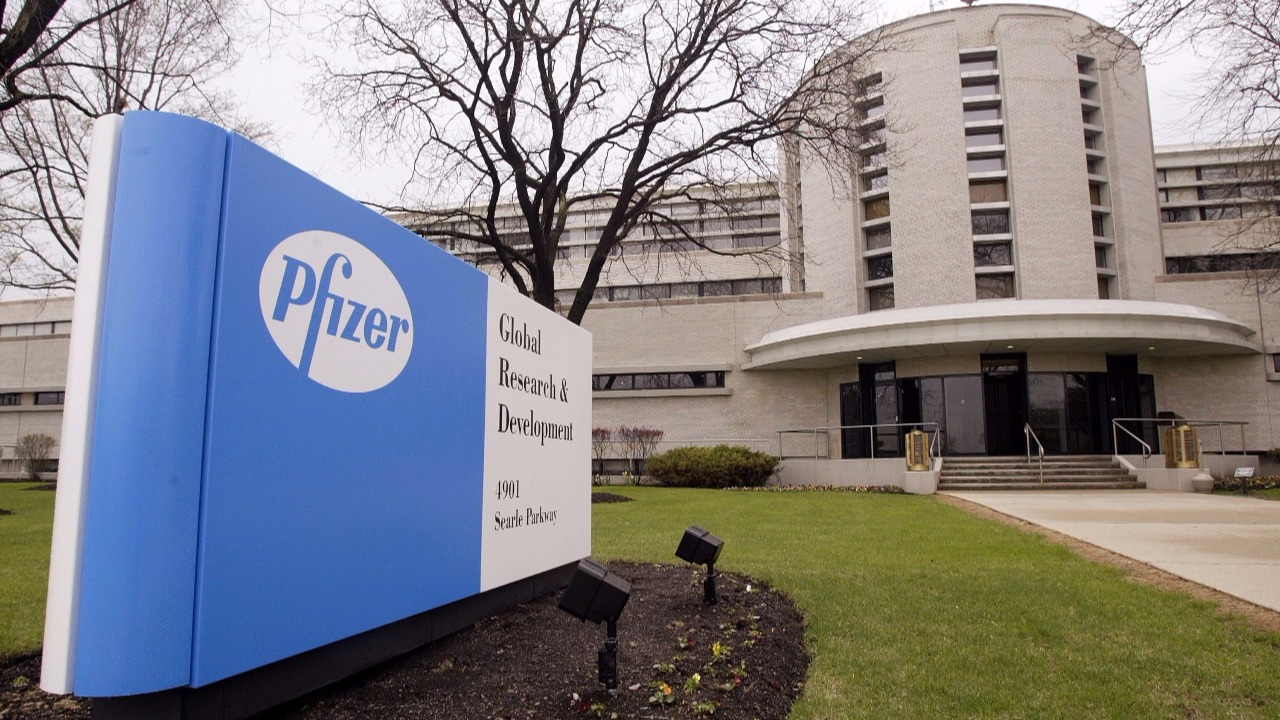
Pfizer does not anticipate major changes to U.S. vaccine policies under the Trump administration in 2025, even though President-elect Donald Trump has nominated Robert F. Kennedy Jr., a vaccine skeptic, to head the Department of Health and Human Services (HHS).

Speaking at an investor conference, Pfizer CEO Albert Bourla confirmed he had met with both Trump and RFK Jr. over dinner and described their relationship as positive. “If he’s confirmed, we will work with him to advance the right policies,” Bourla said.

Kennedy has long been criticized for questioning the safety and efficacy of vaccines, which have been instrumental in combating disease worldwide. While he rejects the “anti-vaccine” label, Kennedy has indicated that he would not block access to vaccines. Trump, meanwhile, has suggested that he may end certain childhood vaccination programs if concerns about safety arise.

Bourla highlighted Trump’s commitment to reforming the role of pharmacy benefit managers (PBMs), middlemen in the U.S. healthcare system who negotiate drug prices. Trump announced plans to eliminate PBMs, which Bourla argued could significantly lower patient out-of-pocket costs for medications.

Vaccine Market Outlook

Pfizer, which produces vaccines for COVID-19, pneumococcal disease, and RSV (respiratory syncytial virus), has faced market pressure since Trump’s announcement of Kennedy as his HHS nominee. However, Bourla reassured investors that Pfizer expects 2025 sales for its COVID-19 vaccine and treatment to remain consistent with 2024 levels.

Financial Performance and Turnaround Strategy

Pfizer’s financial outlook provided some relief to investors amid ongoing concerns over its future performance. The company forecasts 2025 adjusted profit between $2.80 and $3.00 per share, in line with analysts’ average estimate of $2.88. It also projects revenue between $61 billion and $64 billion, slightly below Wall Street’s consensus of $63.26 billion.

Shares rose 3.7% to $26.20 following the forecast, though Pfizer’s stock has dropped nearly 12% this year and remains well below its pandemic-era peak. The pharmaceutical giant has faced investor criticism, most notably from hedge fund Starboard Value, over its acquisition strategy and the lack of profitable drugs resulting from recent deals and internal research efforts.

In response, Bourla defended Pfizer’s strategy, which includes aggressive cost-cutting measures and the sale of non-core businesses to reduce debt. The company is under increasing pressure to introduce new blockbuster drugs to offset revenue declines from top sellers set to lose patent protection.

Conclusion

Despite concerns surrounding Trump’s choice of RFK Jr. for HHS and broader investor criticism, Pfizer remains cautiously optimistic about vaccine policies and its financial performance in 2025. The company continues to focus on cost efficiency, innovation, and policy collaboration to stabilize its outlook in a challenging post-pandemic environment.